
HEALTH
Singing, Masks, And Jail Sentences: Is This America?


Singing uplifts your mood. It can stimulate circulation.
Singing exercises your lungs. It allows for increased oxygen intake.
Some say singing can even prolong your life!
So, go on and do your best “Buddy the Elf” impersonation and belt it out…in a store and everything!
But, wait…what about Corona, Covid, or any of her lesser known names?
Some fear the respiratory droplets that could be passed through normal conversation could worsen with the health-promoting activity of singing.
But, are these fears and their resulting mandates, cancellations, and restrictions warranted?
Is singing any worse than talking when it comes to the spread of the coronavirus?

Singing Isn’t Worse Than Talking
You can meet, but don’t greet. You can look but don’t touch. You can talk but don’t sing.
These rules seem to be taking over our lives.
Is anything safe? I mean, raise your hand if you’re starting to feel like a toddler in this Covid world!
You know, where you feel like you just can’t touch or do anything without an “a-a-at” from your government mommy.
But, it’s all for our good, right, because there is some evidence to back the recommendations that we’ve seen rolled out in these last months.
The areas where science has spoken in regards to the spread of this virus, revolve around aerosols.
These tiny particles that we exhale are the reasons for these mandates and recommendations.
It has been concluded that a person who is sick with COVID-19 can spread the virus through respiratory droplets (aerosols) as they talk, cough, or sneeze within a certain distance (primarily 6 feet) of other individuals.
A secondary concern is that these infected respiratory droplets can then land on surfaces and transmit the virus to those who come in contact with said surfaces.
But, what about singing? It seems that this is more feared than even talking in regards to this virus and the potential for its spread through those respiratory droplets.
All across the country, from Kentucky to California, governors have sought to eliminate the possibility of singing where gatherings are permitted.
These governors have been legally challenged regarding this overreach and have legally lost those battles.
Some say their mandates were challenged and thus negated due to their unconstitutional nature. And, while that is absolutely true, would a look at science at the start of it all have prevented such constitutional grievances in the first place?
Is there really any significant evidence to show that singing can spread the virus any more than talking?
Short answer: NO!
A study was recently done with 25 professional singers from various backgrounds.
In this study, these singers participated in a variety of singing exercises including changes in range, pitch, and volume.
This was done in a theater where no other aerosols were present, and researchers inspected the aerosols produced by varying sounds directly from the singers.
Their findings proved that while loud singers could carry more risk of transmitting aerosols, this was no different than the transmission risk with loud talkers.
This research “suggests that there is no specific excess risk of transmission due to singing,” which has now led to recommendations for safe operation in performing arts settings amidst this COVID season that we’re still finding ourselves in.
With proper ventilation and distancing, this study has shown that both performing and singing together in crowds (such as in a religious setting) can be done safely.
However, some choirs are still relying on what they believe to be an added safety measure when singing together: masks.
And, now, not just in choirs, masks can mean far more than perceived protection from the coronavirus. In fact, wearing one might just keep you out of jail!

Mask Orders Are Escalating To Fines And Jail Time
“So, what are you in for?”
“I shot a man in Reno…how about you?”
“Didn’t wear a mask into Target.”
“Guards, please, get me away from this monster!!!”
Come on, folks! Is this what Corona has come to? Apparently, yes!
In Washington state, not following the governor’s mask mandates “to the letter,” has now resulted in a mask up or suit up (orange prison jumpsuits that is) situation.
In fact, violating these mask mandates in one east Washington county is now a gross misdemeanor punishable by a year in jail and/or up to $5,000 in fines.
I thought Ashton Kutcher’s Punk’d days were over? This canNOT be real. Show me the hidden camera.
Folks, not only is it real, it doesn’t seem like it will be going away any time soon.
Results from various studies are truly all across the spectrum on the effectiveness of masks, yet, this is the horse that is being ridden here in the good ole US of A.
So, if your workplace or governing authorities where you live have removed your choice of whether or not to wear a mask, what do you need to know about your options?
What types of masks are available? Which ones work? Which ones don’t?
Types Of Masks
Many, from healthcare workers to previous statements by Dr. Anthony Fauci and the WHO, have stated that the effectiveness of masks is not only limited but may cause folks wearing them to gain a false sense of security.
Even companies manufacturing masks have begun to print warnings listed on their packaging informing the buyer that the mask will indeed NOT guarantee protection from Covid-19.
But, none of that matters when you are forced to:
- Wear a mask or be fined
- Wear a mask or go to jail
- Wear a mask or lose your job
So, if you’re in a place where mandates abound, here’s a look at the popular masks and their effectiveness:
N-95
N-95 reusable masks seem to be the most effective at particle filtration. These medical masks, according to the NY Times, filter 95% of particles as small as 0.3 microns.
If you’re looking for maximum protection, N95 is the only way to go, and…
They’re in stock here for 40% off (while supplies last).
Surgical or Medical
The penetration of particles by surgical masks has been found to be 44%, meaning that these commonly used disposable masks only tote about 56% effectiveness.
It is noteworthy that a few cases have found these masks to provide a potential for 80% effectiveness, but this was a small study with complete contingency on the mask being worn correctly.
Cloth
While this type of mask seems to be the covering of choice for most Americans, its effectiveness is alarmingly low (at least if you are truly wearing the mask to both avoid spreading or catching the coronavirus).
One study showed the penetration of particles (or droplets) in a cloth mask to be nearly 97%!
If your jaw just dropped, I’m assuming you did the math there. Yep, only 3% effective.
Bandana
Another popular type of cloth facial covering is a bandana. In a 100% cotton bandana, studies show that this type of “mask” only captured or trapped 20% of respiratory particles…when it was doubled over twice!!
When doubled over twice, this would mean that you have four layers of protection which still only totals a 20% reduction in transmission.
Homemade
So, what about those who have taken to their sewing machines or those who’ve been scouring Etsy for homemade masks? What does science say about the protection they offer in the Covid battle?
Many of these homemade masks, to be effective, are incorporating added filters.
One type of filter being used is a coffee filter.
A New York Times article cited the effectiveness of two brands of coffee filters: Brew Rite and Natural Brew basket-style filters. When used in three-layer stacks, these provided 40-50% filtration.
Other homemade varieties incorporated the use of actual HVAC filters cut and sewn into masks. And, these allergy-reducing filters captured 94% of particles when double-layered.
Six layers of a regular furnace filter achieved N-95 mask success at 95% filtration.
The problem with these inserted filters arose with the inhalation of small particles from the actual filters, proving their use to be risky.
And, breathing in particles from filters in masks isn’t the only problem that is arising regarding facial coverings…

Mask Shortages Are Likely
Can you recall the headlines at the beginning of this pandemic?
“Shortages of PPE for healthcare workers!”
They’ve been dubbed the super heroes of this Covid battle. They have tirelessly worked on the front lines putting their own health and well-being at risk while caring for those affected by this virus.
So, surely they deserve protection from said virus, right?
But, wait…if every healthy person in the country is forced to wear a mask or go to jail, what happens to our health care workers?
Yep, you guessed it! Their ability to find masks is affected yet again.
Just a month ago, doctors and nurses were having to reuse N-95 masks for days, some even weeks, due to a shortage.
Some offices had to close completely because they simply could not obtain appropriate amounts of PPE for their staff.
That was mid-July.
Since then, many schools and colleges have reopened, most requiring masks to be worn. And, more and more states are following suit with mask mandates that hold steep penalties if not followed.
Logic tells us this is only going to lead to a greater mask shortage… especially if you want a mask that actually works well.
Fortunately, we’ve gotten access to a supply of N95 masks that are comfortable, won’t fog your glasses, and are discounted 40% off through this link. They sold out within 48 hours of our last announcement, so hurry!

References:
- https://www.barbershop.org/the-health-benefits-of-singing
- https://www.ncbi.nlm.nih.gov/pmc/articles/PMC7293495/
- https://www.kentuckytoday.com/stories/governor-sets-guidelines-for-in-person-church-gatherings,25795
- https://files.covid19.ca.gov/pdf/guidance-places-of-worship.pdf
- https://www.bbc.com/news/entertainment-arts-53446329
- https://www.bbc.com/news/health-53853961
- https://finearts.uky.edu/music/ensembles/choral
- https://genius.com/Johnny-cash-folsom-prison-blues-lyrics
- https://www.westernjournal.com/city-imposes-5000-fine-year-jail-violating-mask-order/
- https://articles.mercola.com/sites/articles/archive/2020/06/19/do-face-masks-help-against-coronavirus.aspx?cid_source=dnl&cid_medium=email&cid_content=art1HL&cid=20200619Z1&et_cid=DM567292&et_rid=897555260
- https://abcnews.go.com/Health/doctors-nurses-warn-protective-gear-shortage-coronavirus-surges/story?id=71778380
- https://docs.google.com/document/d/16dM6_A6zkOMRo3p5IT3kIbFlB8wA1FDXLl3GceUg_H8/edit
- https://ohsonline.com/articles/2020/07/13/american-healthcare-workers-are-scrambling-for-ppe-again.aspx
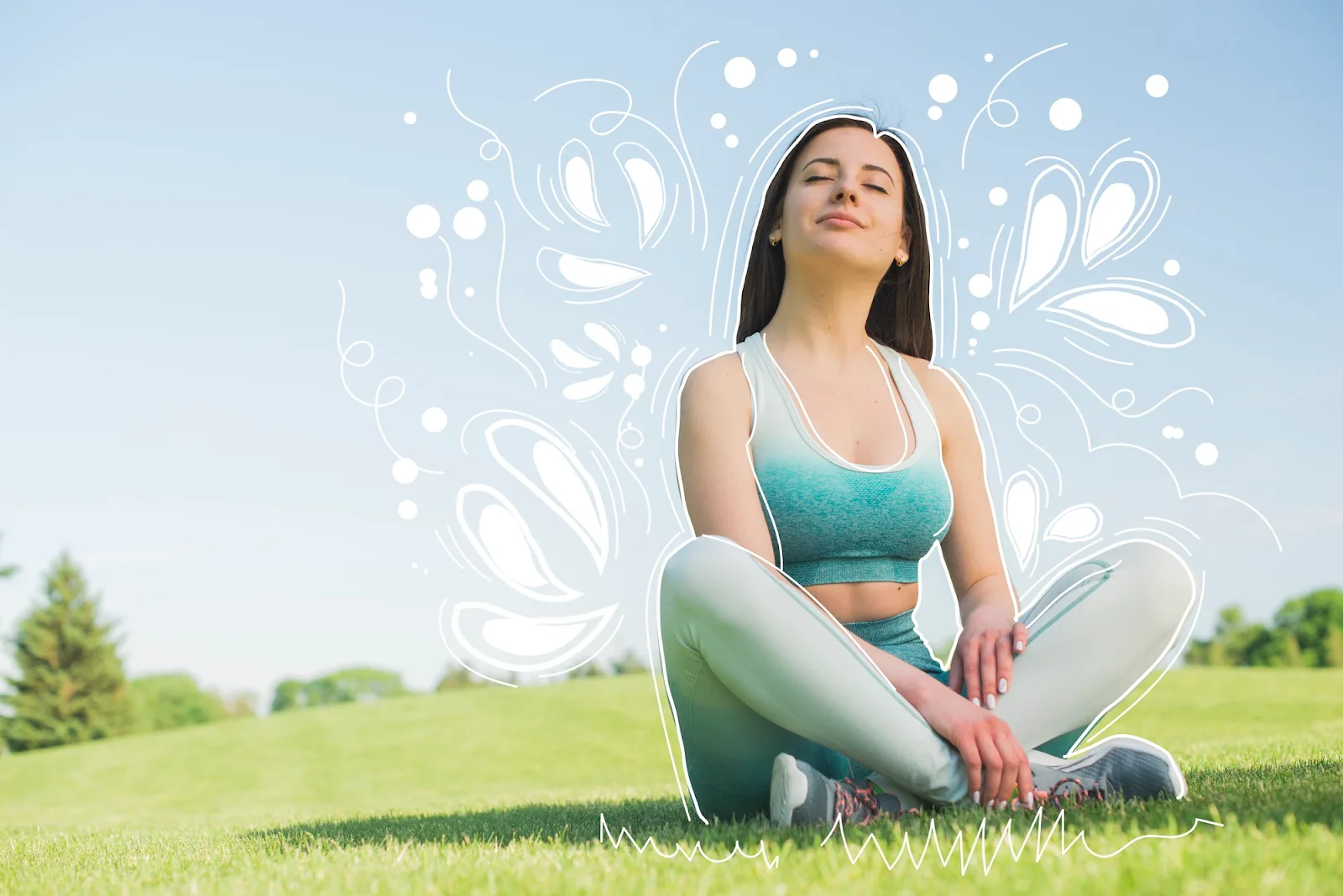
In today’s fast-paced world, stress is more than just an occasional inconvenience; it’s a chronic issue affecting millions of people physically, mentally, and emotionally. As traditional methods of stress management often focus on isolated symptoms, a growing number of individuals are turning to holistic practices to restore balance between the mind and body.
Understanding the Mind-Body Connection
The mind-body connection refers to the link between our thoughts, emotions, behaviors, and physical health. Scientific research continues to support the idea that mental well-being can directly influence the body’s ability to heal, resist disease, and maintain a state of balance. When you’re stressed, your body releases hormones like cortisol, which can suppress the immune system, disrupt sleep, and increase the risk of chronic conditions.
By nurturing this connection, holistic approaches offer a comprehensive way to manage and reduce stress naturally without relying solely on medication or short-term fixes.
Holistic Practices That Help Reduce Stress
Here are some effective mind-body techniques that can be integrated into daily life to help reduce stress:

1. Meditation and Mindfulness
Meditation has long been recognized for its ability to calm the mind and regulate emotions. Even just 10 minutes a day of focused breathing or mindfulness practice can lower cortisol levels, improve concentration, and enhance emotional resilience.
2. Yoga and Gentle Movement
Yoga combines physical postures, breath control, and meditation, making it one of the most powerful tools for relieving stress. Regular practice can improve flexibility, balance, and circulation, while also fostering inner peace.
3. Breathwork (Pranayama)
Simple breathing exercises help stimulate the parasympathetic nervous system which is responsible for “rest and digest” functions. Try techniques like box breathing or alternate nostril breathing to instantly calm the mind.
4. Herbal Remedies and Nutrition
Many herbs, such as ashwagandha, chamomile, and lavender, have calming effects on the nervous system. In addition, maintaining a nutrient-rich diet supports brain health and hormone balance. For those looking to support both stress management and weight loss, try adding this 3-Ingredient Fat Burning Soup to your meal plan. It’s keto-friendly and can help you burn 400 calories on autopilot!
5. Journaling and Expressive Writing
Expressing emotions through writing can help process unresolved feelings and reduce mental overload. Keeping a gratitude journal, for instance, has been shown to promote optimism and emotional clarity.
6. Nature Therapy and Grounding
Spending time outdoors and reconnecting with nature reduces stress hormone levels and enhances mental well-being. Walking barefoot on grass (grounding) can also balance your body’s natural electrical charge, helping you feel more centered.
Making Holistic Stress Management a Lifestyle
Integrating these practices doesn’t have to be complicated. Start with small, manageable habits like a five-minute breathing session in the morning or a short yoga routine before bed and gradually build a stress-resilient lifestyle. When practiced consistently, these tools can lead to improved mood, better sleep, and a stronger immune system.
For more on how managing stress plays a role in your overall health, read our article on The Importance of Stress Management in a Healthy Lifestyle.
Final Thoughts
The mind-body connection is a powerful pathway to healing and wellness. By embracing holistic practices, you can transform stress from a silent saboteur into a signal to slow down, reconnect, and thrive. Whether you’re a busy professional, a caregiver, or someone going through life’s transitions, these tools can empower you to take control of your health naturally.
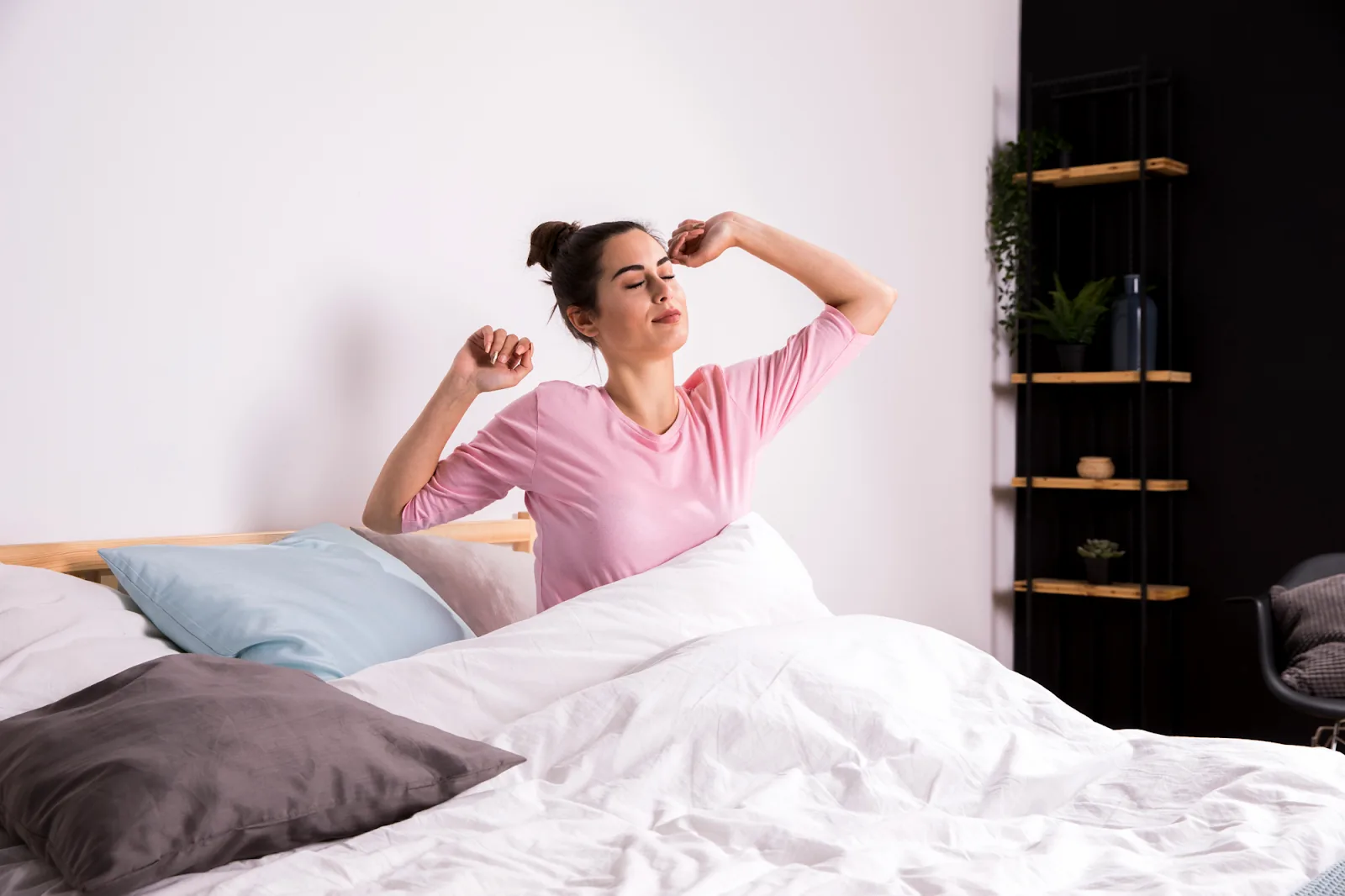
Your morning sets the tone for the entire day. A rushed, chaotic start can leave you feeling scattered and stressed, while a mindful, intentional routine can help you feel grounded, energized, and ready to take on whatever comes your way. A holistic morning routine isn’t just about productivity, but it’s about nourishing your body, mind, and soul from the moment you wake up.
Here’s how to create a morning routine that aligns with your health goals, mental clarity, and overall well-being.
1. Wake Up with Purpose
Start by giving yourself enough time in the morning. Waking up just 10–30 minutes earlier can help you transition into the day without pressure. Use this time to set an intention. Ask yourself: What kind of energy do I want to bring into today?
This simple mindset shift can help you stay centered, no matter what challenges arise.
2. Hydrate First Thing
After 7–8 hours of sleep, your body needs hydration. Drinking a glass of water (preferably with lemon) jumpstarts your metabolism, aids digestion, and flushes out toxins. Add a pinch of Himalayan salt for added minerals.
3. Gentle Movement to Wake the Body
Stretching, yoga, or a short walk can help awaken your muscles and improve circulation. Movement doesn’t have to be intense to be effective. The goal is to reconnect with your body, increase energy, and boost your mood.
For more ideas on morning activities that support weight loss, check out these 10 Morning Rituals That Help Shed Pounds.
4. Nourish with a Light, Balanced Breakfast

Skip the sugar-laden cereals and opt for whole, nutrient-dense foods. A balanced breakfast with protein, fiber, and healthy fats will stabilize your blood sugar and fuel your morning.
Looking for a fast and effective fat-burning option? Try this 3-Ingredient Fat Burning Soup. It’s keto-friendly, satisfying, and designed to help you burn 400 calories on autopilot!
5. Practice Mindfulness
Spend 5–10 minutes meditating, journaling, or simply breathing deeply. This helps regulate stress hormones and primes your brain for focus and calm. Even just one mindful breath before starting your tasks can shift your entire outlook.
6. Limit Screen Time
Resist the urge to check your phone or social media first thing. Instead, spend your first moments being present — with yourself, your family, or nature. This preserves mental clarity and reduces anxiety triggered by digital overload.
7. Plan Your Day Intentionally
Before jumping into work, take a few minutes to review your top priorities. A written to-do list or planner can help you stay organized and avoid feeling overwhelmed.
Final Thoughts
Creating a holistic morning routine isn’t about perfection but it’s about consistency and self-care. When you start your day with intention, you build a strong foundation for your health, focus, and happiness. Small, mindful choices in the morning lead to big wins over time.
Start tomorrow with a purpose. Your future self will thank you.
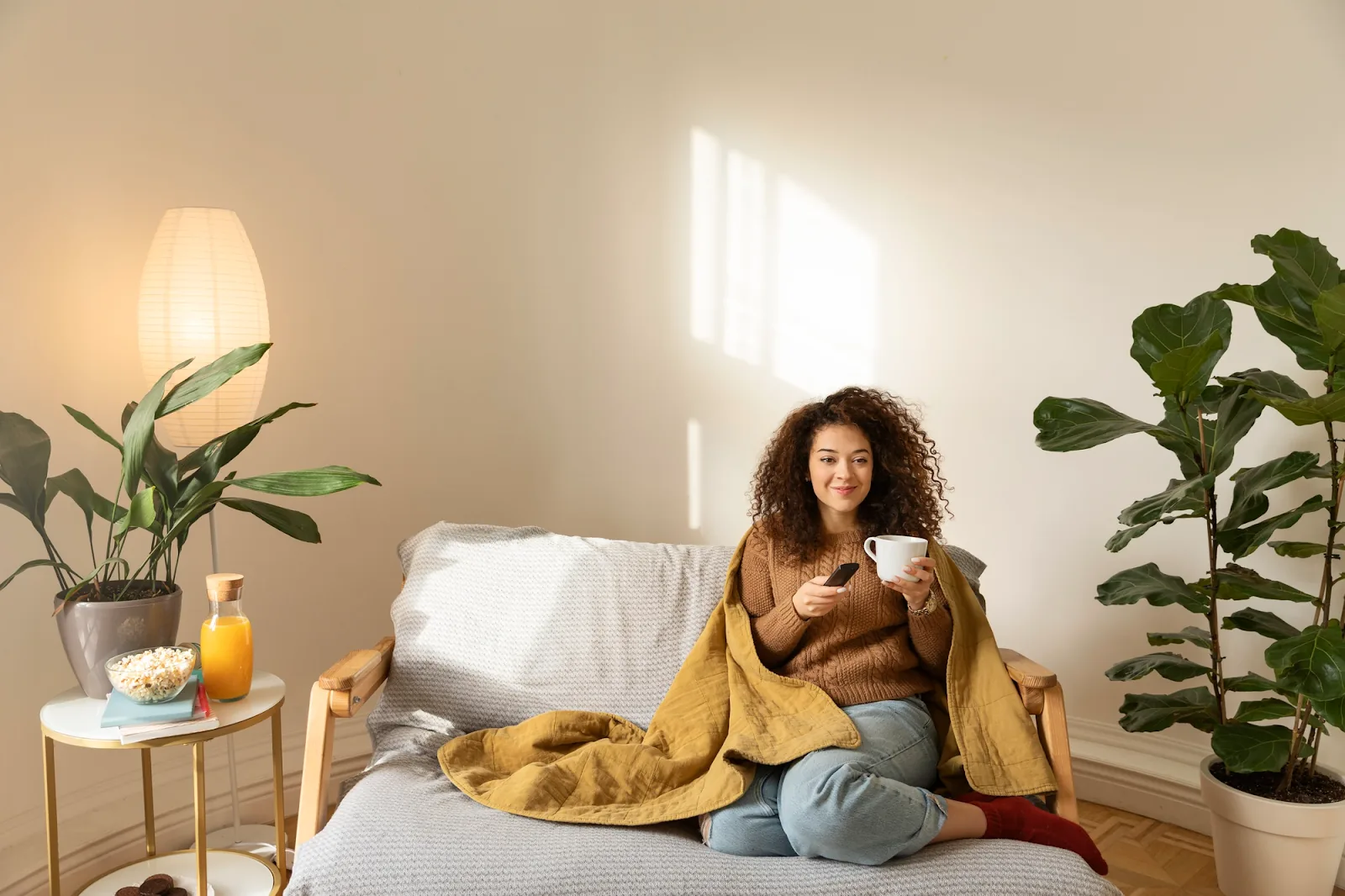
In today’s busy world, slowing down can sometimes be viewed as unproductive to some, but to others, embracing the art of slow living leads to deeper fulfillment, improved mental clarity, and better overall health. Rooted in mindfulness and intentionality, slow living encourages a holistic lifestyle that nurtures your body, mind, and spirit.
What is Slow Living?
Slow living is a lifestyle philosophy that emphasizes quality over quantity, mindfulness over haste, and connection over consumption. It invites you to live intentionally, appreciating the simple moments and making conscious choices that align with your values. Whether it’s preparing home-cooked meals, spending time in nature, or practicing gratitude, slow living shifts your focus from doing more to the point of burnout to doing less but living better.
The Pillars of a Holistic Lifestyle
A holistic lifestyle integrates various aspects of well-being, including physical health, emotional balance, spiritual awareness, and a sustainable relationship with nature. Here are some key elements:
1. Nourishing Your Body Naturally

Eating whole, unprocessed foods and staying hydrated are cornerstones of holistic health. Herbal teas, for instance, are a gentle yet effective way to support your immune system and create mindful rituals in your day. Curious about the benefits? Read more here: The Herbal Tea Hustle: Can Steaming Mugs Boost Your Immune System?
2. Creating Space for Mindfulness

Meditation, journaling, and deep breathing can reduce stress and bring clarity to your thoughts. Slow living encourages you to be present, tuning in to your body’s signals and your emotional needs.
3. Reconnecting With Nature

Spending time outdoors helps reset your circadian rhythm and uplifts your mood. Whether it’s gardening, hiking, or simply sipping tea on the porch, these moments foster a sense of peace and connection to the earth.
4. Simplifying Your Surroundings

Decluttering your home and living with intention helps reduce mental overload. Adopting minimalism and using natural, sustainable materials can transform your space into a calming sanctuary.
Why Choose Slow Living?
- Reduces stress and anxiety
- Improves focus and productivity
- Fosters deeper relationships
- Promotes sustainability and environmental consciousness
- Encourages self-reflection and personal growth
Final Thoughts
Slow living isn’t about doing everything slowly. It is about doing things with purpose. By embracing a holistic lifestyle, you’re not just surviving the chaos of modern life, you’re thriving in a rhythm that nourishes your soul. Start small. Sip your tea. Read that book. Take a walk. Breathe. And let the art of slow living guide you back home to yourself.
How to Use Holistic Practices to Reduce Stress

5 Easy Ways to Build a Naturaland Nourishing Kitchen
7 Ways to Create a Holistic Morning Routine
The Art of Slow Living:Embracing a Holistic Lifestyle
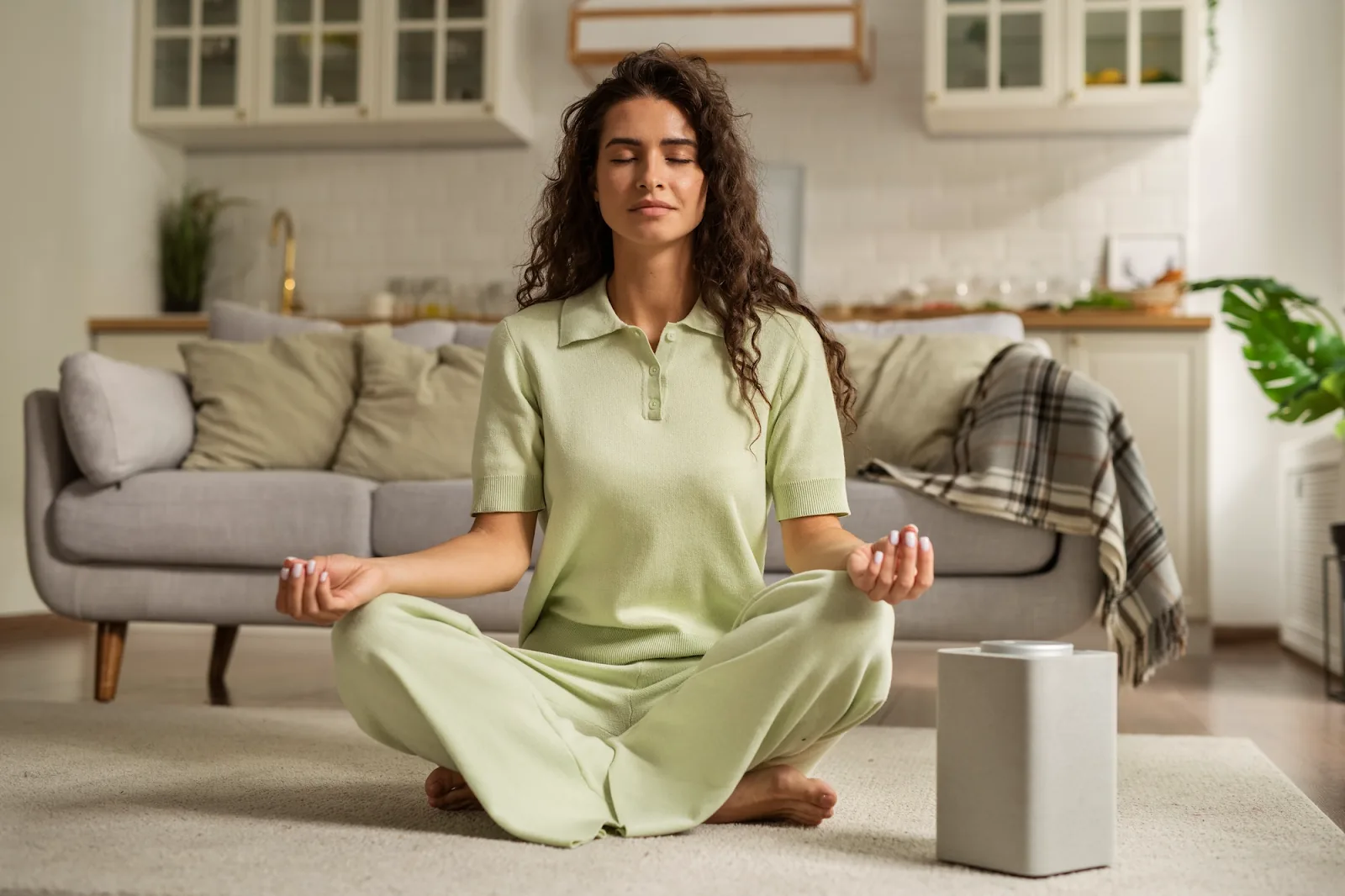
Natural Beauty: Why Less is More in Holistic Living
-
 HEALTH2 years ago
Tick Population Exploding In The US This Year – How To Protect Yourself From Lyme Disease
-
 HEALTH2 years ago
14 Easy Movements to Ease Shoulder Pain
-
 FITNESS2 years ago
4 of the Best Supplements for Weight Loss
-
 HEALTH2 years ago
The Sleep Deprived Brain…
-
 HEALTH2 years ago
How To Let Go Of Anger
-
 NUTRITION2 years ago
Cabbage Soup To Slim The Soul
-
 NUTRITION2 years ago
12 High Carb Foods That Are Surprisingly Healthy
-
 FITNESS2 years ago
10 Morning Rituals That Help Shed Pounds