
HEALTH
Pandemic Lessons from the Spanish Flu


We’ve been here before. Well, not you and I.
But, barely more than a century ago there were makeshift hospitals being set up.
There were mask mandates. There were social distancing measures. There were quarantines.
I know. We’re so sick of hearing about this stuff now, roughly 6 months into this battle of pandemic proportions, that just the thought of those words makes us shudder!
But, I’m sure you’ve heard of the saying, “There’s nothing new under the sun.”
And, that certainly applies to this pandemic.
In 1918, the Spanish flu pandemic rocked the globe.
And, in hopes of learning from history (as opposed to repeating it) scientists and health care professionals have been seeking to glean wisdom from this tragedy in the years since.
So, let’s see how we’re measuring up in this current crisis.
Are we repeating the mistakes of the Spanish Flu?
Or have we learned our lessons?
Let’s take a look…
Do Not Enter
If a strain of flu managed to make its way around the entire globe over 100 years ago, we’d be silly to think that here in the day and age of all things travel (leisure, work, school, political, etc.) that things wouldn’t be worse in this regard.
Thankfully, it appears that we took notes on this day in class a century ago.
One community in 1918 Alaska nearly escaped the effects of the pandemic entirely by closing off travel from its surrounding bay.
Gleaning from such Spanish Flu models, travel bans have been put in place all across the globe in varying capacities since the early days of the Covid-19 battle.
Here in the United States travel bans concerning hot spots like China and Italy were put in place in late January and in March.
The “S-Word”
We’ve heard about it so much that it’s practically in that category of words now. You know, the kind that either you or your parents would have gotten their mouths washed out with soap for saying as kids.
Yep, at this point in these pandemic-quelling efforts, we’re so tired of hearing about…
Social distancing.
But, when taking a look at how the Spanish flu pandemic was handled, a repeat in this category may be something that we’re getting right amidst all of this today.
It has been found that those communities that did not practice social distancing suffered much higher death rates than those that did.
Some Spanish flu scholars consider social distancing efforts in 1918 to be some of the most successful measures at controlling the spread of the virus.
In fact, the deadly “second wave” of the Spanish flu is thought to have been brought on by a premature relaxing of social distancing measures.
But, after that second wave hit, realizing that people, like today, were fully “over” the isolation, they focused their efforts in a more specialized manner.
And, I think you’ll find this next measure then, is also a lesson straight from the 1918 pandemic playbook.
Quarantine
Another dirty word, I know.
But, when the notorious second wave hit during the Spanish flu pandemic, and, as we just mentioned, the general public had truly had enough of the social distancing measures, health officials zeroed in on those who were truly ill.
Those who were symptomatic, in other words those who were sick, were made to quarantine or isolate themselves from the healthy public.
We’ve seen these efforts from the onslaught of this battle with the Covid-19 pandemic here in the US.
And, while I’ll never tip my hat to tyranny, those state and local communities who came together practicing sensible measures of quarantine to isolate and get ahead of this virus, seem to have done so with the 1918 lessons-learned in mind.
In fact, the initial goal laid before “we the people,” was to employ these century old pandemic lessons to slow the spread and avoid overwhelming our healthcare system.
So, in thinking of this system, how did the Spanish flu impact what we know both as common healthcare practices and pandemic battling measures now?
Public Health Care
Low income communities and areas where poor nutrition and improper hygiene were rampant were hit very hard by the Spanish flu.
During this time, public health systems were not yet advanced, and in some areas they were non-existent.
Sadly, the lack of public health care access for such individuals often proved tragic.
Worldwide, both scientists and governments alike saw the need for public health system advancements.
So then, how do we see these things implemented in today’s Covid crisis?
- resources are distributed locally to areas badly hit
- critical care facilities are more widely available
- communication across public health systems has improved (aiding in response)
- diagnosis is more accurate and has widespread capabilities
- those battling the virus are quarantined, limiting the spread of illness
- movements of the population are limited
These protocols and procedures are specifically attributed to advancements in our public health care systems as a result of the lessons learned in times of pandemic tragedy.
But, is there one thing we perhaps haven’t gotten a grasp on just yet?
The Truth Will Set You Free
Fake news isn’t just a buzz phrase here in 2020. Unfortunately, it’s a real problem.
From misinformation to sensationalism, lack of truth in the press and stemming from government officials was a problem in 1918, and…
It’s a problem today.
In 1918, it was said that government officials lessened the seriousness of the outbreak and how badly it was spreading. And, this misinformation led to even greater spread.
Today we seem to be experiencing the opposite end of that spectrum as government officials and the mainstream media force-feed us 5 courses of fear on a 24/7 loop.
In 1918 misinformation about the seriousness of the virus led to greater spread. The fear and conflicting information being served up today will also have consequences only time will reveal.
In studying the Spanish flu, the general mistrust of the media, scientists, and government officials was addressed.
The belief was that a continued climate of distrust coming from the general public towards these agencies could cause a failure to trust the guidance they lay out.
Sound familiar?
Amidst all of the conflicting information on this pandemic, one may wonder if this is already the case as we cross the 6 month line in these pandemic fighting efforts now?
Confusion is never good in the middle of a pandemic. It breeds the distrust that those evaluating the Spanish flu feared for our day and time.
But, fear is just as bad, even potentially worse, as it weakens the immune system. And, that’s the last thing you need when dealing with a viral pandemic!
The Spanish flu did not last forever, and neither will Covid-19. This pandemic was thankfully not as severe as that of 1918.
And the truth is that we have resources today that simply were not available in 1918.
So take advantage of advances in technology and try to keep the emotions out of your decision making process!
This is for your safety…
President Donald Trump revived the coronavirus briefing Tuesday, saying the pandemic is going to get worse before it gets better.
“Some areas of our country are doing very well,” Trump told reporters. “Others are doing less well. It will probably, unfortunately, get worse before it gets better – something I don’t like saying about things but that’s the way it is.”
As the country is trying to open back up, there are flare-ups and spikes of cases all over the country.
Some counties that opened up are going back under lockdown!
And the predictions for the fall and winter are not looking good.
It’s likely that you will be required to wear a mask this fall if you want to do anything around other people…
…any kind of shopping
…going to a family or church event
…getting in to watch a game or a race…
But, most masks aren’t that great.
They leak around the top of your nose and below your mouth.
They fall down.
They are hot and uncomfortable.
…and, frankly, most don’t work that well.
Luckily, we have secured 95% filtering, comfortable masks.
We’re offering a discount of up to 40% off.
And they ship out of our Salt Lake City warehouse the day after you order them.
Click here to see if there are any left!
References:
- https://www.bbc.com/future/article/20200302-coronavirus-what-can-we-learn-from-the-spanish-flu
- https://www.king5.com/article/news/health/coronavirus/lessons-learned-from-the-1918-spanish-flu-and-the-2nd-wave/281-70d6d926-a03b-4a4c-a105-ae7edd6b941c
- https://www.ncbi.nlm.nih.gov/pmc/articles/PMC1997248/
- https://www.ncbi.nlm.nih.gov/pmc/articles/PMC6187781/
- https://www.euronews.com/2020/06/03/how-did-the-spanish-flu-pandemic-end-and-what-lessons-can-we-learn-from-a-century-ago
- https://www.dispatch.com/news/20200717/what-can-we-learn-from-1918-spanish-flu
- https://www.colorado.edu/today/2020/04/08/6-lessons-we-can-learn-past-pandemics
- https://nysba.org/have-we-learned-anything-from-the-1918-spanish-flu-pandemic/
- https://abc6onyourside.com/news/local/lessons-learned-from-the-spanish-flu
- https://www.ncbi.nlm.nih.gov/pmc/articles/PMC6187768/
- https://www.ajmc.com/view/a-timeline-of-covid19-developments-in-2020
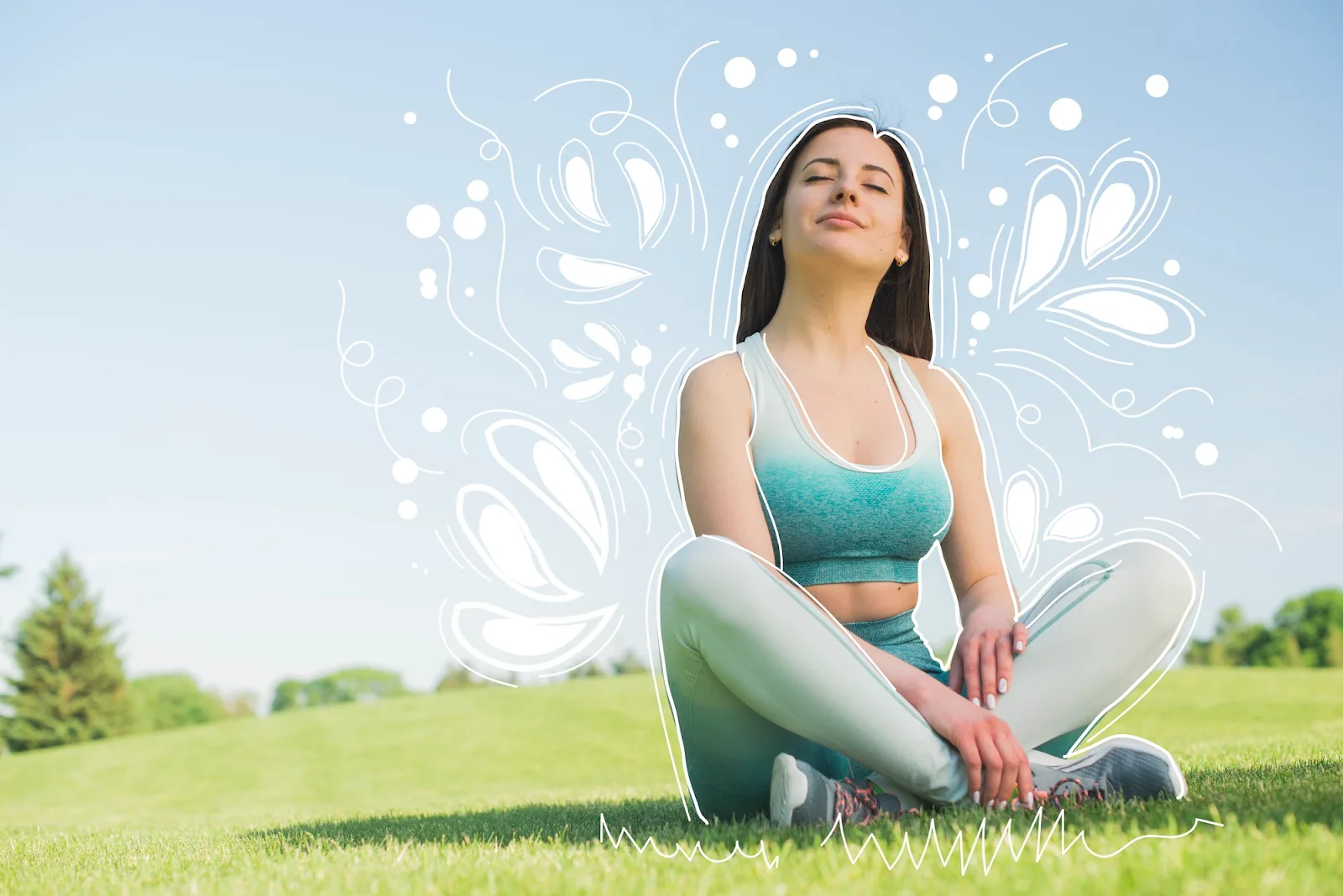
In today’s fast-paced world, stress is more than just an occasional inconvenience; it’s a chronic issue affecting millions of people physically, mentally, and emotionally. As traditional methods of stress management often focus on isolated symptoms, a growing number of individuals are turning to holistic practices to restore balance between the mind and body.
Understanding the Mind-Body Connection
The mind-body connection refers to the link between our thoughts, emotions, behaviors, and physical health. Scientific research continues to support the idea that mental well-being can directly influence the body’s ability to heal, resist disease, and maintain a state of balance. When you’re stressed, your body releases hormones like cortisol, which can suppress the immune system, disrupt sleep, and increase the risk of chronic conditions.
By nurturing this connection, holistic approaches offer a comprehensive way to manage and reduce stress naturally without relying solely on medication or short-term fixes.
Holistic Practices That Help Reduce Stress
Here are some effective mind-body techniques that can be integrated into daily life to help reduce stress:

1. Meditation and Mindfulness
Meditation has long been recognized for its ability to calm the mind and regulate emotions. Even just 10 minutes a day of focused breathing or mindfulness practice can lower cortisol levels, improve concentration, and enhance emotional resilience.
2. Yoga and Gentle Movement
Yoga combines physical postures, breath control, and meditation, making it one of the most powerful tools for relieving stress. Regular practice can improve flexibility, balance, and circulation, while also fostering inner peace.
3. Breathwork (Pranayama)
Simple breathing exercises help stimulate the parasympathetic nervous system which is responsible for “rest and digest” functions. Try techniques like box breathing or alternate nostril breathing to instantly calm the mind.
4. Herbal Remedies and Nutrition
Many herbs, such as ashwagandha, chamomile, and lavender, have calming effects on the nervous system. In addition, maintaining a nutrient-rich diet supports brain health and hormone balance. For those looking to support both stress management and weight loss, try adding this 3-Ingredient Fat Burning Soup to your meal plan. It’s keto-friendly and can help you burn 400 calories on autopilot!
5. Journaling and Expressive Writing
Expressing emotions through writing can help process unresolved feelings and reduce mental overload. Keeping a gratitude journal, for instance, has been shown to promote optimism and emotional clarity.
6. Nature Therapy and Grounding
Spending time outdoors and reconnecting with nature reduces stress hormone levels and enhances mental well-being. Walking barefoot on grass (grounding) can also balance your body’s natural electrical charge, helping you feel more centered.
Making Holistic Stress Management a Lifestyle
Integrating these practices doesn’t have to be complicated. Start with small, manageable habits like a five-minute breathing session in the morning or a short yoga routine before bed and gradually build a stress-resilient lifestyle. When practiced consistently, these tools can lead to improved mood, better sleep, and a stronger immune system.
For more on how managing stress plays a role in your overall health, read our article on The Importance of Stress Management in a Healthy Lifestyle.
Final Thoughts
The mind-body connection is a powerful pathway to healing and wellness. By embracing holistic practices, you can transform stress from a silent saboteur into a signal to slow down, reconnect, and thrive. Whether you’re a busy professional, a caregiver, or someone going through life’s transitions, these tools can empower you to take control of your health naturally.

Your morning sets the tone for the entire day. A rushed, chaotic start can leave you feeling scattered and stressed, while a mindful, intentional routine can help you feel grounded, energized, and ready to take on whatever comes your way. A holistic morning routine isn’t just about productivity, but it’s about nourishing your body, mind, and soul from the moment you wake up.
Here’s how to create a morning routine that aligns with your health goals, mental clarity, and overall well-being.
1. Wake Up with Purpose
Start by giving yourself enough time in the morning. Waking up just 10–30 minutes earlier can help you transition into the day without pressure. Use this time to set an intention. Ask yourself: What kind of energy do I want to bring into today?
This simple mindset shift can help you stay centered, no matter what challenges arise.
2. Hydrate First Thing
After 7–8 hours of sleep, your body needs hydration. Drinking a glass of water (preferably with lemon) jumpstarts your metabolism, aids digestion, and flushes out toxins. Add a pinch of Himalayan salt for added minerals.
3. Gentle Movement to Wake the Body
Stretching, yoga, or a short walk can help awaken your muscles and improve circulation. Movement doesn’t have to be intense to be effective. The goal is to reconnect with your body, increase energy, and boost your mood.
For more ideas on morning activities that support weight loss, check out these 10 Morning Rituals That Help Shed Pounds.
4. Nourish with a Light, Balanced Breakfast

Skip the sugar-laden cereals and opt for whole, nutrient-dense foods. A balanced breakfast with protein, fiber, and healthy fats will stabilize your blood sugar and fuel your morning.
Looking for a fast and effective fat-burning option? Try this 3-Ingredient Fat Burning Soup. It’s keto-friendly, satisfying, and designed to help you burn 400 calories on autopilot!
5. Practice Mindfulness
Spend 5–10 minutes meditating, journaling, or simply breathing deeply. This helps regulate stress hormones and primes your brain for focus and calm. Even just one mindful breath before starting your tasks can shift your entire outlook.
6. Limit Screen Time
Resist the urge to check your phone or social media first thing. Instead, spend your first moments being present — with yourself, your family, or nature. This preserves mental clarity and reduces anxiety triggered by digital overload.
7. Plan Your Day Intentionally
Before jumping into work, take a few minutes to review your top priorities. A written to-do list or planner can help you stay organized and avoid feeling overwhelmed.
Final Thoughts
Creating a holistic morning routine isn’t about perfection but it’s about consistency and self-care. When you start your day with intention, you build a strong foundation for your health, focus, and happiness. Small, mindful choices in the morning lead to big wins over time.
Start tomorrow with a purpose. Your future self will thank you.

In today’s busy world, slowing down can sometimes be viewed as unproductive to some, but to others, embracing the art of slow living leads to deeper fulfillment, improved mental clarity, and better overall health. Rooted in mindfulness and intentionality, slow living encourages a holistic lifestyle that nurtures your body, mind, and spirit.
What is Slow Living?
Slow living is a lifestyle philosophy that emphasizes quality over quantity, mindfulness over haste, and connection over consumption. It invites you to live intentionally, appreciating the simple moments and making conscious choices that align with your values. Whether it’s preparing home-cooked meals, spending time in nature, or practicing gratitude, slow living shifts your focus from doing more to the point of burnout to doing less but living better.
The Pillars of a Holistic Lifestyle
A holistic lifestyle integrates various aspects of well-being, including physical health, emotional balance, spiritual awareness, and a sustainable relationship with nature. Here are some key elements:
1. Nourishing Your Body Naturally

Eating whole, unprocessed foods and staying hydrated are cornerstones of holistic health. Herbal teas, for instance, are a gentle yet effective way to support your immune system and create mindful rituals in your day. Curious about the benefits? Read more here: The Herbal Tea Hustle: Can Steaming Mugs Boost Your Immune System?
2. Creating Space for Mindfulness

Meditation, journaling, and deep breathing can reduce stress and bring clarity to your thoughts. Slow living encourages you to be present, tuning in to your body’s signals and your emotional needs.
3. Reconnecting With Nature

Spending time outdoors helps reset your circadian rhythm and uplifts your mood. Whether it’s gardening, hiking, or simply sipping tea on the porch, these moments foster a sense of peace and connection to the earth.
4. Simplifying Your Surroundings

Decluttering your home and living with intention helps reduce mental overload. Adopting minimalism and using natural, sustainable materials can transform your space into a calming sanctuary.
Why Choose Slow Living?
- Reduces stress and anxiety
- Improves focus and productivity
- Fosters deeper relationships
- Promotes sustainability and environmental consciousness
- Encourages self-reflection and personal growth
Final Thoughts
Slow living isn’t about doing everything slowly. It is about doing things with purpose. By embracing a holistic lifestyle, you’re not just surviving the chaos of modern life, you’re thriving in a rhythm that nourishes your soul. Start small. Sip your tea. Read that book. Take a walk. Breathe. And let the art of slow living guide you back home to yourself.
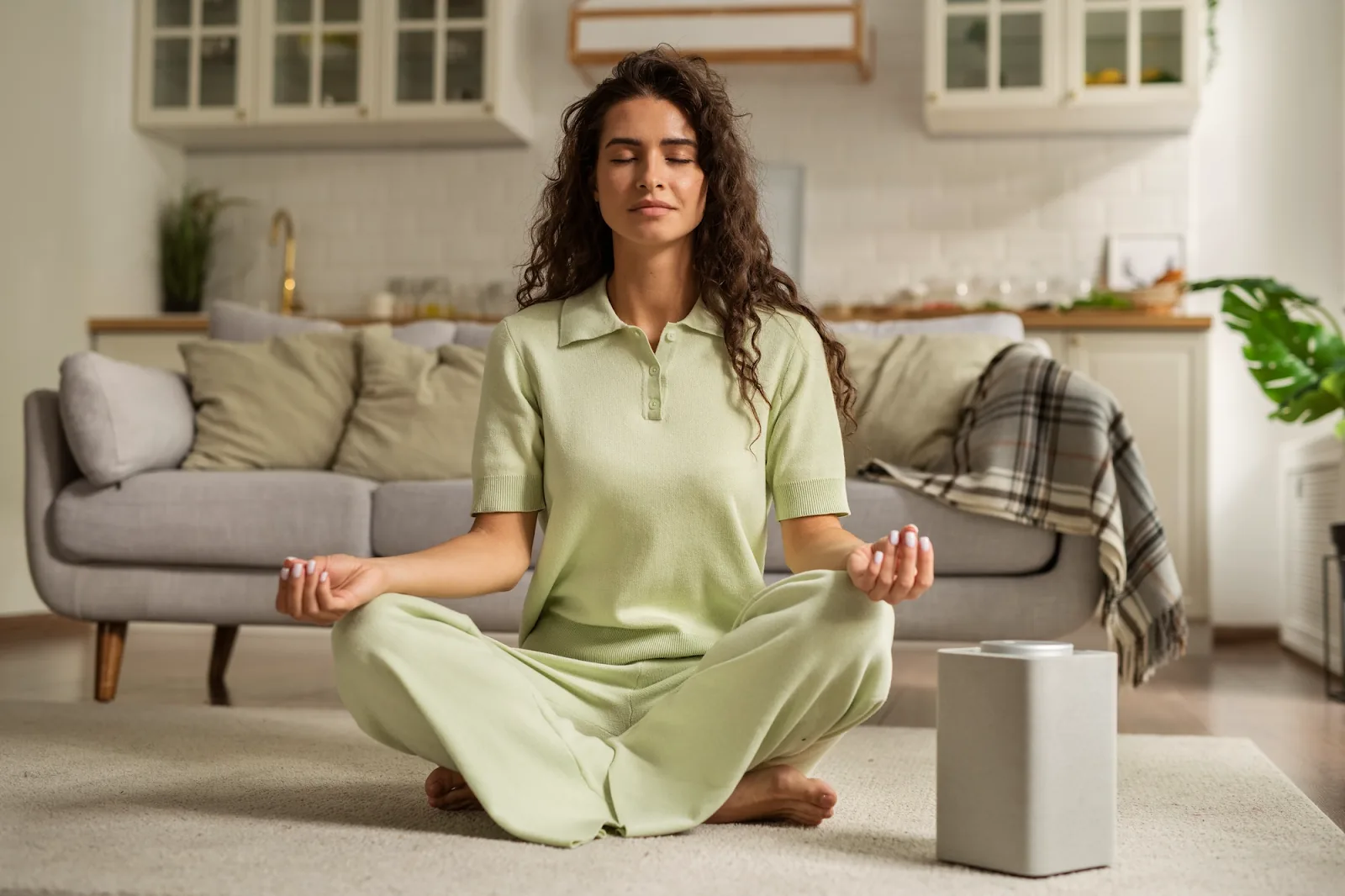
How to Use Holistic Practices to Reduce Stress
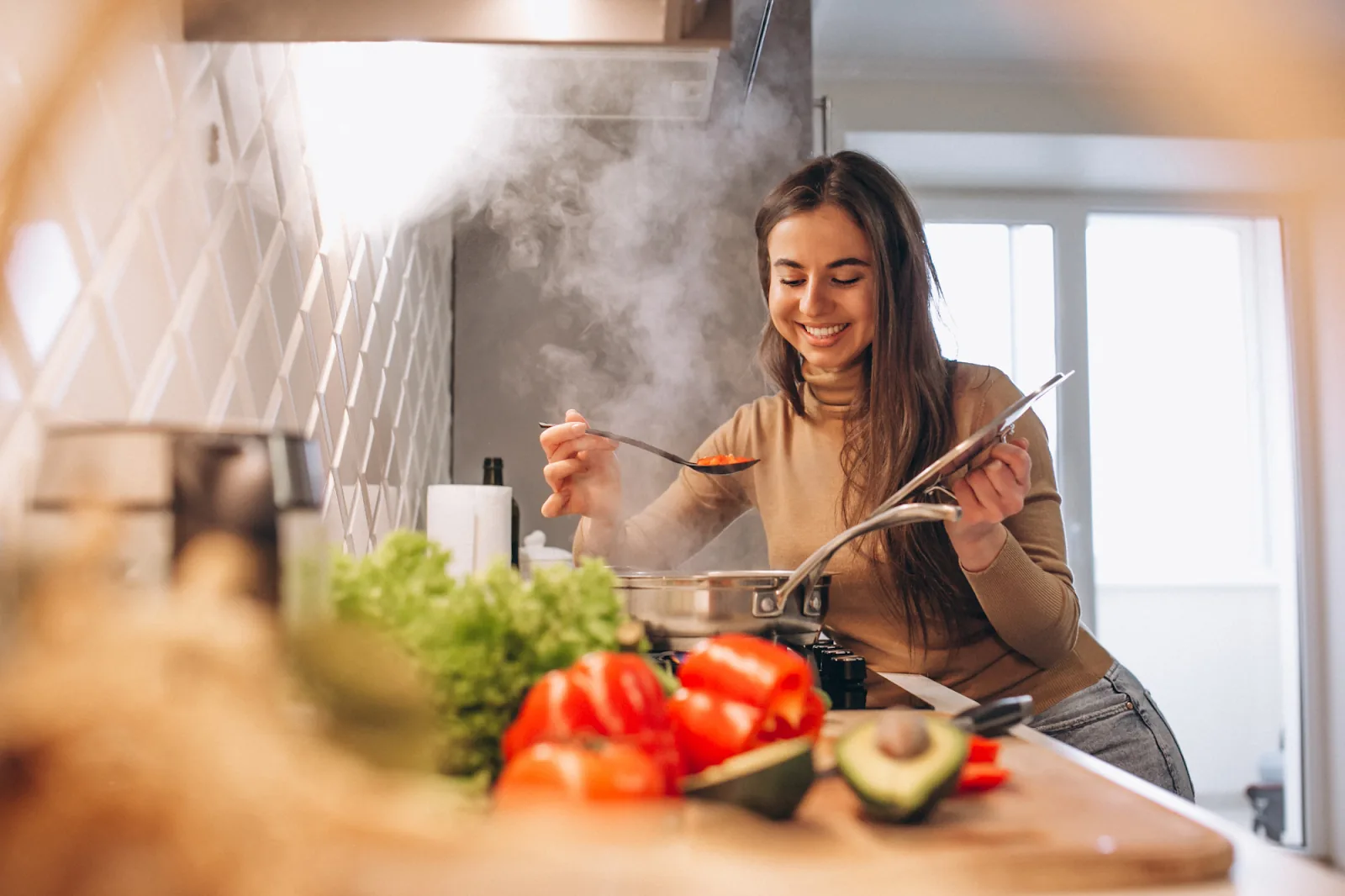
5 Easy Ways to Build a Naturaland Nourishing Kitchen
7 Ways to Create a Holistic Morning Routine
The Art of Slow Living:Embracing a Holistic Lifestyle
Natural Beauty: Why Less is More in Holistic Living
-
 HEALTH2 years ago
Tick Population Exploding In The US This Year – How To Protect Yourself From Lyme Disease
-
 HEALTH2 years ago
14 Easy Movements to Ease Shoulder Pain
-
 FITNESS2 years ago
4 of the Best Supplements for Weight Loss
-
 HEALTH2 years ago
The Sleep Deprived Brain…
-
 HEALTH2 years ago
How To Let Go Of Anger
-
 NUTRITION2 years ago
Cabbage Soup To Slim The Soul
-
 NUTRITION2 years ago
12 High Carb Foods That Are Surprisingly Healthy
-
 FITNESS2 years ago
10 Morning Rituals That Help Shed Pounds