
HEALTH
Digging Deep With Collagen: Types, Sources, and Supplements


Walk with me into a kindergarten classroom. Focus on the school supplies, what do you see? Crayons. Scissors. Pencils. Markers. Glue.
Ah, yes. Glue. The sticky, binding substance that is, or can be, a nightmare to teachers and parents alike, threatening to adhere books to paper and paper to desks, and so on.
And, if you are a parent to young children, you may also have used glue for another highly popular project: making slime.
If you’ve seen or made slime, you know that when glue is combined with other ingredients, it holds all of these components together and produces a substance that easily moves all of these ingredients as one.
The classic “blob” that is created is a seemingly gelatinous structure that is soft, can be stretched and then regain its structure, and flows or moves freely and easily.
Collagen is like that. In fact, the word actually means “glue” in greek.
Collagen, like glue, can bind and hold things together, but (like we saw in the slime illustration) that same binding substance can also provide flexibility.
While this firm, fibrous protein provides structure to bones, tendons, and ligaments, it can also provide elasticity to your skin, muscles, and connective tissues.
So then, let’s dig deep and find out what this glue-like substance really is, why your body needs it, and where you can find natural sources of it.
Types Of Collagen
Collagen accounts for one third of all of the protein in your body.
It provides structure, tying cells together (if you will) to give strength and elasticity to your bones, tendons, cartilage, and other connective tissues.
And, while there have been at least 30 different types of collagen found that we know of, we’ll focus on the five most common here.
Type 1 (I)
This first type of collagen is the most abundant, making up nearly 90% of all of the collagen in your body.
The fibers of this type of collagen are tightly packaged to give your bones, teeth, skin, cartilage, the walls of your blood vessels, and connective tissues structure.
Naturally, the collagen production within your body decreases with age, and that is when we mostly take note of this type of collagen. And, how do we notice the effects of this decrease…in our skin.
Fine lines, wrinkles, and sagging skin are all a result of a decrease in type 1 collagen, which is considered to be a building block of your skin.
Type 2 (II)
While the fibers in type 1 collagen can be described as tightly packaged, type 2 fibers are more loosely packed.
This type of collagen is found in your cartilage, which protects your joints. It is also found in the cartilage in your ear, surrounding your rib cage, and in your nose and bronchial tubes.
A decrease in this type of collagen can also be noticed with age as seen in stiff, swollen, and painful joints, resulting in less flexibility and mobility.
Type 3 (III)
Type 3 collagen is found in your arteries, muscles, skin, and organs, providing structure to these areas.
It is found in the same locations in your body as type 1 collagen, being most abundant in your skin and organs.
Type 4 (IV)
This type of collagen is the main part of what is known as the basement membrane. This membrane is a thin layer of protein type fibers that surround tissues in your body.
Type 5 (V)
Type 5 collagen is mostly found in your hair, on the surface of cells, and it also forms the cells of the placenta.
This type of collagen is also crucial in helping to form fibers within your connective tissues.
It can be found along with type 2 collagen in joint cartilage.
Natural Sources Of Collagen
Many things can cause this abundant protein found within your body to decrease.
While age alone can cause a decrease in collagen levels and a decline in its production, consuming too many refined carbohydrates and processed sugars, smoking, and getting too much sunshine (UV radiation) contributes to these decreases as well.
Keeping your skin strong and supple, your joints free of pain, and your cells, organs, bones, and connective tissues protected requires collagen. And, your body uses proteins in your diet to make it.
Your body uses these proteins that you consume and breaks them down to make amino acids. These amino acids build the proteins that form collagen.
So, what types of foods can you eat to naturally fuel your body with what it needs to make collagen?
Most consider bone broth to be the best natural source of collagen. This broth (or stock) draws the collagen out of beef, chicken, and fish bones making it a rich source of the protein, as opposed to regular or common broths which are usually made from boiling a mixture of actual meats and vegetables.
Past this primary source, bone broth, the following foods are also good sources of collagen:
- Chicken
- Beef
- Fish and shellfish
- Egg whites
- Berries
- Citrus fruits
- Leafy greens
- Garlic
- Cashews
- Legumes (beans, lentils)
- Tomatoes
- Bell peppers (particularly red and yellow)
- Avocados
Common Problems With Collagen Supplements
Another way to add a source of collagen to your diet is by supplementation. Unfortunately, there are a few problems that can be associated with these supplements.
Gelatin supplements– These supplements can have a displeasing taste and can be known to give you heartburn.
Multi-Collagen supplements– Multiple types of collagen in one supplement, this sounds good, right? Sounds like a most bang for your buck type of deal, or is it?
When varying types of collagen are combined, since the different types support different areas of your body (as we learned earlier), this mixture can lead to inadequate absorption in your body.
In other words, that idea of multiple collagens in a supplement may not be best, as your body can’t absorb collagen in this manner.
Hydrolysate– If you’re going with a processed collagen, make sure your supplement has this word on the label. If the collagen is not fully hydrolyzed then your body has a hard time digesting it, meaning that it can’t use the supplement to aid in collagen production.
Hydrolyzed collagen is made into smaller peptides when produced, and some are even predigested. Predigested collagen makes the needful amino acids more readily available for your tissues to use.
Inferior Quality– Like most things in life, not everything is of superior quality in the supplement world.
If you don’t choose a superior quality supplement, from whole food sources, you could be doing more harm than good to your body.
Most collagen supplements are made from the bones and connective tissues of animals.
A quality animal source is of utmost importance, because heavy metals and toxins that can accumulate in the bones of some animals can be thus transferred to the supplements.
So, reach for natural sources when aiming to increase the supply of proteins needed by your body to produce collagen.
The Dark Truth About Collagen Products
What if I told you most collagen supplements are NOT what they claim to be?
If you’re concerned with maintaining hydrated, glowing skin as you age — and healthy, strong joints, you’ve probably heard of collagen peptides as a “fountain of youth.”
Researchers have found that once you turn 20 years old, your skin’s production of collagen starts decreasing by 1% every year.
And by the time you’re in your 40s, the collagen elastic fibers break, and the elasticity of your skin begins to decline.
Which is why supplementing with collagen is a great way to increase your body’s natural production and encourage hydrated, firm skin for years to come.
But you CANNOT just start adding a collagen powder to your smoothies and expect to see great results.
You see, I found 3 serious issues with most collagen powders on the market today…
- Most collagen powders are HIGHLY processed and made using grain finished cow hides using high heat and/or harsh chemical solvents.
- Questionable ingredients. Most collagen powders use cow hides or other less nutrient-dense parts of the animal. For the best quality collagen you want products that are sourced completely from the most collagen dense part of the animal – the bones.
- Collagen is isolated. When companies make collagen products, they are aiming to provide you with collagen and nothing else. But what they don’t tell you is there are tons of other beneficial nutrients that get lost in highly processed collagen powders. Essential minerals like calcium, magnesium, and potassium are all nutrients you could be getting along with collagen.
Once I discovered these 3 major problems with most collagen products, I went searching for one that met my standards.
Something that is gently processed to preserve nutrients, made from grass fed cow bones, and includes all the additional nutrients that can be extracted from cow bones.
And that’s when I discovered the highest quality collagen product on the market – Paleovalley’s Bone Broth Protein Powder.
This collagen powder meets all of these quality standards, and also is:
- Sourced from cows that graze on pesticide free pastures
- Free of fillers and flow agents
- Gluten free, grain free, soy free, dairy free, non GMO
- No chemical or solvents used in processing
- Contains 15 grams of protein per serving!
It almost seems too good to be true! But I’ve been drinking Paleovalley Bone Broth Protein Powder for months now and I can truly say I’ve never felt better.
My skin looks soft and glowing, my hair is shiny and growing fast, and my occasional joint pain is completely gone!
And I credit it all to the gentle processing and high quality ingredients of Paleovalley Bone Broth Protein.
And it’s so easy to use. You can mix it with hot or cold water and drink it alone, or add it to multiple different drinks and dishes!
References:
- https://www.ncbi.nlm.nih.gov/pmc/articles/PMC5983607/
- https://www.ncbi.nlm.nih.gov/books/NBK21582/
- https://store.draxe.com/blogs/all/collagen-types
- https://www.healthline.com/nutrition/collagen#what-it-does
- https://www.livescience.com/collagen.html#:~:text=Collagen%20refers%20to%20a%20family,in%20the%20body%20by%20mass.
- https://www.sciencedirect.com/topics/biochemistry-genetics-and-molecular-biology/type-i-collagen#:~:text=Type%20I%20collagen%20is%20the%20most%20abundant%20collagen%20found%20in,tensile%20strength%20of%20the%20ECM.
- https://www.sciencedirect.com/topics/biochemistry-genetics-and-molecular-biology/type-iv-collagen#:~:text=Summary,backbone%20of%20the%20basement%20membrane.
- https://www.sciencedirect.com/science/article/pii/B9780128098479000039#:~:text=Type%20III%20collagen%20is%20found,4%5D%2C%20%5B5%5D.
- https://www.healthline.com/health/beauty-skin-care/collagen-food-boost#garlic
- https://www.medicinenet.com/collagen_diet/article.htm
- https://health.clevelandclinic.org/the-best-way-you-can-get-more-collagen/
- https://www.nativepath.com/blogs/path-whole-body-health/the-problem-with-collagen-supplements
- https://www.medicalnewstoday.com/articles/325344
- https://www.todaysdietitian.com/newarchives/0319p26.shtml
Final Warning
A lot of collagen products are made from the skin of animals, which causes you to miss out on a lot of the nutrients and minerals that you should be getting.
Which is why I love Paleovalley 100% Grass Fed Bone Broth Protein.
It’s made from animal bones, not skins – specifically from grass fed and finished beef bones.
So you get the most collagen possible, and it only takes 30 seconds a day.
That’s right. All you have to do is mix a scoop into a glass of water, add it to your favorite baked dish, or, my personal favorite method, add it to your morning coffee.
It has a very mild flavor so you won’t even know it’s there until you realize how much better you feel!
With just grass fed and finished beef bones, filtered water, and nothing else – you know this is the cleanest, healthiest collagen product on the market.
Click here to get Paleovalley Bone Broth Protein for yourself today and get your collagen back
Use that link to save 10% off your order today.

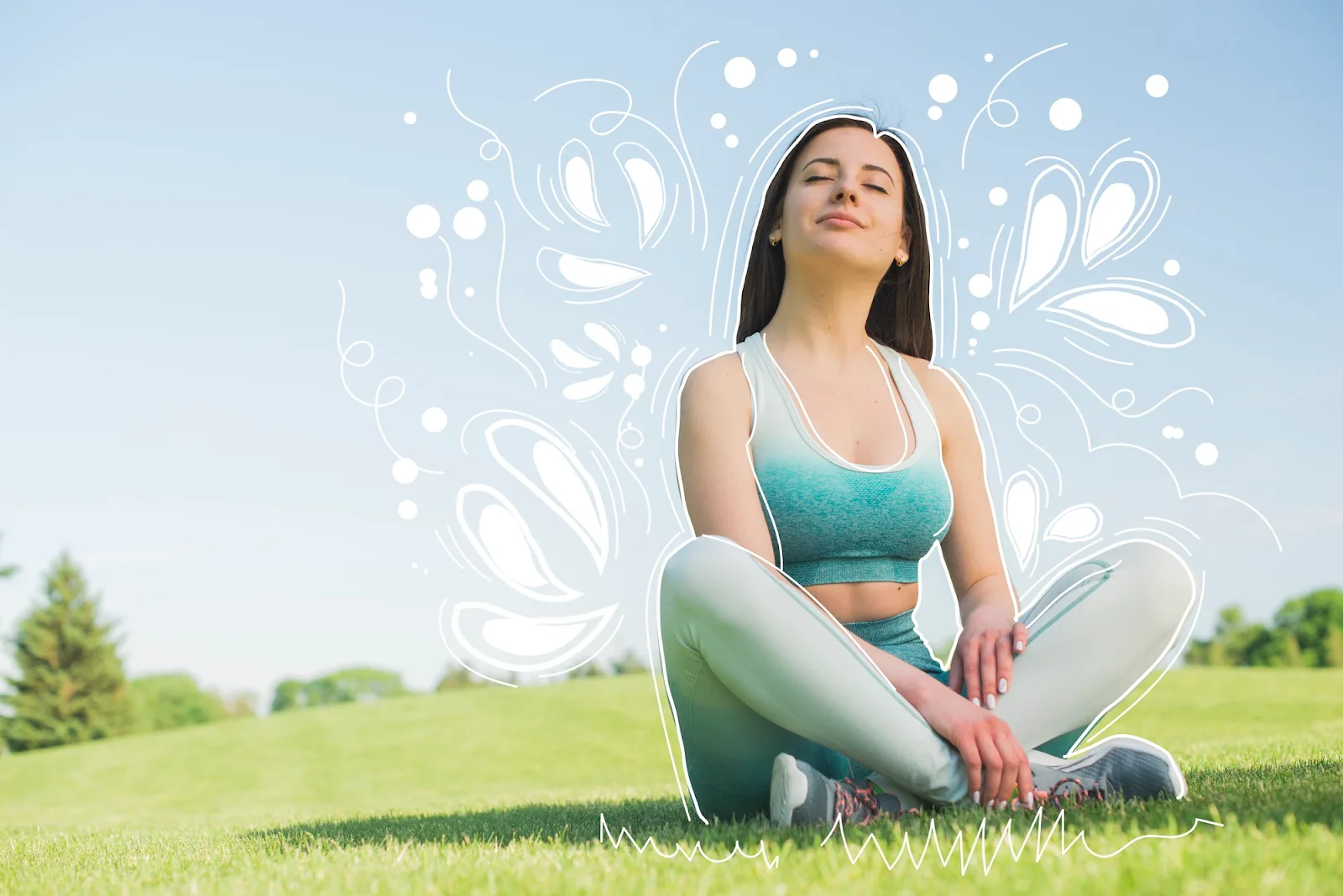
In today’s fast-paced world, stress is more than just an occasional inconvenience; it’s a chronic issue affecting millions of people physically, mentally, and emotionally. As traditional methods of stress management often focus on isolated symptoms, a growing number of individuals are turning to holistic practices to restore balance between the mind and body.
Understanding the Mind-Body Connection
The mind-body connection refers to the link between our thoughts, emotions, behaviors, and physical health. Scientific research continues to support the idea that mental well-being can directly influence the body’s ability to heal, resist disease, and maintain a state of balance. When you’re stressed, your body releases hormones like cortisol, which can suppress the immune system, disrupt sleep, and increase the risk of chronic conditions.
By nurturing this connection, holistic approaches offer a comprehensive way to manage and reduce stress naturally without relying solely on medication or short-term fixes.
Holistic Practices That Help Reduce Stress
Here are some effective mind-body techniques that can be integrated into daily life to help reduce stress:

1. Meditation and Mindfulness
Meditation has long been recognized for its ability to calm the mind and regulate emotions. Even just 10 minutes a day of focused breathing or mindfulness practice can lower cortisol levels, improve concentration, and enhance emotional resilience.
2. Yoga and Gentle Movement
Yoga combines physical postures, breath control, and meditation, making it one of the most powerful tools for relieving stress. Regular practice can improve flexibility, balance, and circulation, while also fostering inner peace.
3. Breathwork (Pranayama)
Simple breathing exercises help stimulate the parasympathetic nervous system which is responsible for “rest and digest” functions. Try techniques like box breathing or alternate nostril breathing to instantly calm the mind.
4. Herbal Remedies and Nutrition
Many herbs, such as ashwagandha, chamomile, and lavender, have calming effects on the nervous system. In addition, maintaining a nutrient-rich diet supports brain health and hormone balance. For those looking to support both stress management and weight loss, try adding this 3-Ingredient Fat Burning Soup to your meal plan. It’s keto-friendly and can help you burn 400 calories on autopilot!
5. Journaling and Expressive Writing
Expressing emotions through writing can help process unresolved feelings and reduce mental overload. Keeping a gratitude journal, for instance, has been shown to promote optimism and emotional clarity.
6. Nature Therapy and Grounding
Spending time outdoors and reconnecting with nature reduces stress hormone levels and enhances mental well-being. Walking barefoot on grass (grounding) can also balance your body’s natural electrical charge, helping you feel more centered.
Making Holistic Stress Management a Lifestyle
Integrating these practices doesn’t have to be complicated. Start with small, manageable habits like a five-minute breathing session in the morning or a short yoga routine before bed and gradually build a stress-resilient lifestyle. When practiced consistently, these tools can lead to improved mood, better sleep, and a stronger immune system.
For more on how managing stress plays a role in your overall health, read our article on The Importance of Stress Management in a Healthy Lifestyle.
Final Thoughts
The mind-body connection is a powerful pathway to healing and wellness. By embracing holistic practices, you can transform stress from a silent saboteur into a signal to slow down, reconnect, and thrive. Whether you’re a busy professional, a caregiver, or someone going through life’s transitions, these tools can empower you to take control of your health naturally.

Your morning sets the tone for the entire day. A rushed, chaotic start can leave you feeling scattered and stressed, while a mindful, intentional routine can help you feel grounded, energized, and ready to take on whatever comes your way. A holistic morning routine isn’t just about productivity, but it’s about nourishing your body, mind, and soul from the moment you wake up.
Here’s how to create a morning routine that aligns with your health goals, mental clarity, and overall well-being.
1. Wake Up with Purpose
Start by giving yourself enough time in the morning. Waking up just 10–30 minutes earlier can help you transition into the day without pressure. Use this time to set an intention. Ask yourself: What kind of energy do I want to bring into today?
This simple mindset shift can help you stay centered, no matter what challenges arise.
2. Hydrate First Thing
After 7–8 hours of sleep, your body needs hydration. Drinking a glass of water (preferably with lemon) jumpstarts your metabolism, aids digestion, and flushes out toxins. Add a pinch of Himalayan salt for added minerals.
3. Gentle Movement to Wake the Body
Stretching, yoga, or a short walk can help awaken your muscles and improve circulation. Movement doesn’t have to be intense to be effective. The goal is to reconnect with your body, increase energy, and boost your mood.
For more ideas on morning activities that support weight loss, check out these 10 Morning Rituals That Help Shed Pounds.
4. Nourish with a Light, Balanced Breakfast

Skip the sugar-laden cereals and opt for whole, nutrient-dense foods. A balanced breakfast with protein, fiber, and healthy fats will stabilize your blood sugar and fuel your morning.
Looking for a fast and effective fat-burning option? Try this 3-Ingredient Fat Burning Soup. It’s keto-friendly, satisfying, and designed to help you burn 400 calories on autopilot!
5. Practice Mindfulness
Spend 5–10 minutes meditating, journaling, or simply breathing deeply. This helps regulate stress hormones and primes your brain for focus and calm. Even just one mindful breath before starting your tasks can shift your entire outlook.
6. Limit Screen Time
Resist the urge to check your phone or social media first thing. Instead, spend your first moments being present — with yourself, your family, or nature. This preserves mental clarity and reduces anxiety triggered by digital overload.
7. Plan Your Day Intentionally
Before jumping into work, take a few minutes to review your top priorities. A written to-do list or planner can help you stay organized and avoid feeling overwhelmed.
Final Thoughts
Creating a holistic morning routine isn’t about perfection but it’s about consistency and self-care. When you start your day with intention, you build a strong foundation for your health, focus, and happiness. Small, mindful choices in the morning lead to big wins over time.
Start tomorrow with a purpose. Your future self will thank you.

In today’s busy world, slowing down can sometimes be viewed as unproductive to some, but to others, embracing the art of slow living leads to deeper fulfillment, improved mental clarity, and better overall health. Rooted in mindfulness and intentionality, slow living encourages a holistic lifestyle that nurtures your body, mind, and spirit.
What is Slow Living?
Slow living is a lifestyle philosophy that emphasizes quality over quantity, mindfulness over haste, and connection over consumption. It invites you to live intentionally, appreciating the simple moments and making conscious choices that align with your values. Whether it’s preparing home-cooked meals, spending time in nature, or practicing gratitude, slow living shifts your focus from doing more to the point of burnout to doing less but living better.
The Pillars of a Holistic Lifestyle
A holistic lifestyle integrates various aspects of well-being, including physical health, emotional balance, spiritual awareness, and a sustainable relationship with nature. Here are some key elements:
1. Nourishing Your Body Naturally

Eating whole, unprocessed foods and staying hydrated are cornerstones of holistic health. Herbal teas, for instance, are a gentle yet effective way to support your immune system and create mindful rituals in your day. Curious about the benefits? Read more here: The Herbal Tea Hustle: Can Steaming Mugs Boost Your Immune System?
2. Creating Space for Mindfulness

Meditation, journaling, and deep breathing can reduce stress and bring clarity to your thoughts. Slow living encourages you to be present, tuning in to your body’s signals and your emotional needs.
3. Reconnecting With Nature

Spending time outdoors helps reset your circadian rhythm and uplifts your mood. Whether it’s gardening, hiking, or simply sipping tea on the porch, these moments foster a sense of peace and connection to the earth.
4. Simplifying Your Surroundings

Decluttering your home and living with intention helps reduce mental overload. Adopting minimalism and using natural, sustainable materials can transform your space into a calming sanctuary.
Why Choose Slow Living?
- Reduces stress and anxiety
- Improves focus and productivity
- Fosters deeper relationships
- Promotes sustainability and environmental consciousness
- Encourages self-reflection and personal growth
Final Thoughts
Slow living isn’t about doing everything slowly. It is about doing things with purpose. By embracing a holistic lifestyle, you’re not just surviving the chaos of modern life, you’re thriving in a rhythm that nourishes your soul. Start small. Sip your tea. Read that book. Take a walk. Breathe. And let the art of slow living guide you back home to yourself.

How to Use Holistic Practices to Reduce Stress

5 Easy Ways to Build a Naturaland Nourishing Kitchen
7 Ways to Create a Holistic Morning Routine
The Art of Slow Living:Embracing a Holistic Lifestyle

Natural Beauty: Why Less is More in Holistic Living
-
 HEALTH2 years ago
Tick Population Exploding In The US This Year – How To Protect Yourself From Lyme Disease
-
 HEALTH2 years ago
14 Easy Movements to Ease Shoulder Pain
-
 FITNESS2 years ago
4 of the Best Supplements for Weight Loss
-
 HEALTH2 years ago
The Sleep Deprived Brain…
-
 HEALTH2 years ago
How To Let Go Of Anger
-
 NUTRITION2 years ago
Cabbage Soup To Slim The Soul
-
 NUTRITION2 years ago
12 High Carb Foods That Are Surprisingly Healthy
-
 FITNESS2 years ago
10 Morning Rituals That Help Shed Pounds