
HEALTH
2 Opioid Alternatives for Pain


Have you ever had surgery? What about an injury? Chronic headaches or even unexplained pain?
Chances are, if you said yes to any of those questions, no matter the root of your pain, most likely you’ve been prescribed pain medicines.
But, these highly addictive painkillers, also known as opioids, no matter their initial need, are causing a greater pain within our society…within our families.
This pain is not physical, but it is far more gruesome, far more lasting, and it is affecting far more than those who have been (or are being) prescribed legal opioids.
In fact, opioid use, misuse, and overdose has become so common, and has affected so many, that it is considered to be a full blown epidemic.
Maybe it’s just like a heart attack, or cancer, or a stroke? We know about those things. But, we don’t really become concerned until it affects us directly.
Well, 1 in 3 Americans are said to know someone who is addicted to opioids. That’s getting a little closer to home now, isn’t it?
So then, maybe it’s time to dig a little deeper and both learn about the dangers of opioids, this epidemic, and a viable option to prescribed painkillers.
What Are Opioids?
Legal and Illegal
There are two categories of opioids, legal and illegal.
Legal opioids are a class of drug made of chemicals that aid the nervous system in creating feelings of relaxation, pleasure, and their primary reason for prescription, relief of pain.
It is the relaxed, pleasurable feeling that these drugs can produce that has led to them being used for “recreational” reasons…or in other words, to get high.
Legal opioids include the drugs oxycodone, hydrocodone, codeine, morphine, and others.
Illegal opioids include the drugs heroin and fentanyl.
Addictive
Both legal and illegal, these drugs are highly addictive.
Even legally prescribed opioids, when taken as directed, can have a lasting effect on the brain, which can specifically lead to an increase in one’s tolerance levels for these drugs.
When this occurs, greater amounts of the drug are needed to produce the same pain relieving effects.
Unfortunately the downfalls don’t end there. This increase in tolerance leads to dependence amongst long-time prescription (and recreational) opioid users.
Long time opioid use causes an adaptation of neurons in the brain. In fact, with opioid dependence, these neurons can no longer function normally without the presence of this highly addictive drug.
Should users stop taking these legally prescribed drugs (and such is the case for illegal use as well), they will experience symptoms of withdrawal such as muscle aches, nausea, vomiting, diarrhea, and even psychological symptoms such as depression and anxiety.
According to the National US Library of Medicine, everyone who takes opioids for a long length of time will become dependent on the drug, but only a small percentage of people become “addicted.”
But, those suffering from the “chronic disease” “opioid addiction”…this just isn’t the case regarding addiction.
Opioid Epidemic
Many suffering from opioid addiction cite their first experience with the drug as one stemming from a legal medical prescription.
The tale that is often told progresses as follows:
- Pain. Prescription. Tolerance.
- More Prescription. More tolerance. Dependence.
- Withdrawal in the absence of the opioid.
- Greater sense of need or urge for the drug.
- Addiction.
Obviously, that’s over simplified and every person is different.
But, regarding the notion that dependence rarely leads to addiction, just take a look at the following facts about opioid use… and the prescription of these drugs.
Judge for yourself the line between their medically admitted “dependence” and “addiction.”
- It is estimated that over 2 million Americans are addicted to opioids right now.
- Approximately 137 people died of an opioid overdose every single day in 2019.
- In 2017 opioid pain medication was prescribed at a rate of almost 59% (that’s 58.7 opioid prescriptions per 100 people).
- In 2017, more than 11 million Americans abused opioids that were medically prescribed.
- In data gathered between 2002-2012, 80% of heroin users claimed to use prescription opioids prior to heroin. This is a direct flip from reports in the 1960’s that showed more than 80% of opioid users started with heroin.
- Opioid addiction claimed more lives in 2019 than gun violence and car accidents.
- Emergency room doctors treat more than 1000 people daily from opioid misuse.
The United States incorporates programs where those addicted to opioids can safely be administered drugs like methadone. This substance acts similarly to morphine and is used for those who are addicted to both prescription opioids and illegal opioids such as heroin.
In Canada, as our neighbors to the north are also battling opioid addiction and subsequent overdoses from this type of drug, they are essentially setting up prescription drug ATMs of sorts to provide access to clean pills for addicts in an effort to keep them from buying opioids on the streets.
It’s coming to a point that almost none of us are immune to this problem. In fact, it has been concluded that now 1 in 3 Americans know someone who is addicted to opioids.
Maybe, instead of continually reciting the facts and annually compiled information surrounding this crisis, we could look for other ways to manage pain that don’t carry the steep penalties that opioids inevitably bring?
Chances are if you’ve battled with chronic pain, know someone who has struggled with opioid addiction, or have been thus afflicted yourself, you know that non opioid options are limited and often ineffective at combating chronic pain.
But, there are more and more stories of relief coming from one increasingly popular, natural prescription drug alternative.
CBD And Pain Reduction
CBD or cannabidiol has been used for centuries for its medicinal properties.
It is one of hundreds of chemicals found in the marijuana plant. And, this non-addictive, non-psychoactive chemical in the plant is being focused on heavily right now for its specific benefits in regards to pain relief.
Studies are proving that cannabidiol interacts with a system in your body known as the endocannabinoid system. The CBD aids the ability of neurotransmitters to bind on to receptors in your nervous system resulting in a decrease in pain and inflammation.
Many have found that the use of CBD has completely changed their lives in relation to chronic pain management.
From an individual who was being prescribed pain medicine after pain medicine due to a herniated disc in her back…
To a person who suffered with chronic headaches resulting from a concussion and traumatic brain injury…
To a man with pain from rheumatoid arthritis…
And, a man who suffered with chronic, crippling pain for more than 22 years…
…CBD brought the pain relief these people needed and had long been seeking.
And, success stories like this are truly not in short supply. A very brief scour of the internet can unearth countless individuals whose lives have been regained by replacing opioid pain treatment with CBD.
As dependency is guaranteed for long term opioid use, and addiction and overdose is more and more common, exploration into other treatment options has proven imperative.
And, that’s where CBD is proving over and over again to be a successful option.
Reducing Opioids
If you have been a long time opioid user for whatever reason, please, before switching to a non additive option like CBD, talk to your doctor.
Abruptly quitting opioids “cold turkey” can cause serious medical complication–even death.
Err on the side of caution here folks. Seriously.
If you are tapering or reducing your use of opioids (after talking to a doctor):
- Because the human body develops a tolerance to drugs like opioids, long term use results in a need to take far more than what the body initially needed to dull pain. Therefore, when reducing, first find a support network (family, friends, healthcare) to be by your side along this journey.
- Make a plan to manage withdrawal: plan to manage both pain and other symptoms of withdrawal.
- If you decide to do a rapid reduction or an abrupt stop of your opioid use, it is advised that this be done with medical supervision due to withdrawal symptoms.
- A slow reduction in opioid use can be achieved by reducing the prescribed dose by 5-10% every 2-4 weeks. (Besides physician consultation, a pharmacist should also be able to assist you in going over a plan for dose reductions.)
- Similar to dose reductions, another approach to opioid reduction is the use of other opioids (administered by a doctor or specified health clinic) like methadone in small doses.
*If you, like millions of others, suffer from chronic pain, know that CBD can offer a viable and successful alternative to addictive opioids.
**If you have a loved one who is already in the throws of opioid addiction…be patient, be kind, be understanding, be wise, and be helpful. There are many resources available to help you, to help them, and to help you help them.
***And, if you think that you are or may be struggling with an opioid addiction…please, seek help. There are numerous local, city-wide, state-wide, and even a national system in place to offer services/help to those in need.
Trained staff are available 24/7 at the National Addiction Hotline: 1-800-662-HELP (4357)
And finally, if you are looking for a high quality full-spectrum CBD oil that your body can actually absorb, this is our favorite.
It uses patented liposomal technology to achieve up to 99% absorption. Check out this article if you want to understand how this fascinating (and powerful) technology is changing the supplement game.
And you get a great deal on it when you use this link.
And if you’re looking for alternatives pain treatment options, you may find this story interesting…
Blacklisted Celebrity Doctor’s Enzymes
Pablo Picasso…
JFK… Marilyn Monroe… and Charlie Chaplin.
They all had one thing in common… They ALL used a Columbia University doctor’s natural pain-relief formula that is:
Just as effective as morphine for pain relief… AND safer than aspirin.
And you can still get it today—without a doctor—because it is actually an enzyme your body already creates—that declines as we get older.
Decades ago, a reclusive MD and Columbia University professor Dr. Max Wolf discovered how these enzymes work to relieve pain.
And he used them extensively in his medical practice.
But in spite of his high-profile patients like JFK, Marilyn Monroe, Pablo Picasso, and Charlie Chaplin… The drug industry made more money off selling pills that treat symptoms without fixing anything… SO:
Dr. Wolf’s breakthrough was blacklisted.
Fortunately—thanks to the internet—his research was rediscovered by a post-rehab specialist who is sharing it with the world.
Check it out and see what YOU think.
References:
- https://www.naturalhealthynews.com/the-worlds-most-expensive-pee/
- https://www.aha.org/news/headline/2020-07-16-cdc-drug-overdose-deaths-46-2019#:~:text=Drug%20overdose%20deaths%20in%20the,for%20Disease%20Control%20and%20Prevention.
- https://www.drugabuse.gov/publications/drugfacts/prescription-opioids
- https://www.drugabuse.gov/drug-topics/opioids
- https://ghr.nlm.nih.gov/condition/opioid-addiction#:~:text=Misuse%20of%20prescription%20opioids%20and,and%20addiction%20is%20rapidly%20increasing.
- https://www.choosept.com/resources/detail/7-staggering-statistics-about-america-s-opioid-epi
- https://www.cdc.gov/injury/features/prescription-drug-overdose/index.html#:~:text=In%202017%2C%20more%20than%2070%2C000,day%20from%20an%20opioid%20overdose.
- https://www.crisisnextdoor.gov/?utm_source=google&utm_medium=cpc&utm_term=opioid%20epidemic&utm_campaign=Crisis%20Next%20Door%20-%20Brand
- https://globalnews.ca/news/7295236/halifax-area-firm-ready-to-roll-out-drug-dispensing-machines-to-fight-opioid-crisis/
- https://www.psychiatry.org/newsroom/news-releases/nearly-one-in-three-people-know-someone-addicted-to-opioids-more-than-half-of-millennials-believe-it-is-easy-to-get-illegal-opioids#:~:text=May%2007%2C%202018-,Nearly%20One%20in%20Three%20People%20Know%20Someone%20Addicted%20to%20Opioids,Psychiatric%20Association%2C%20(APA).
- https://www.healthline.com/nutrition/cbd-oil-benefits#section1
- https://pubmed.ncbi.nlm.nih.gov/19675519/
- https://cbdoilusers.com/cbd-oil-success-stories/
- http://nationalpaincentre.mcmaster.ca/documents/Opioid%20Tapering%20Patient%20Information%20(english).pdf
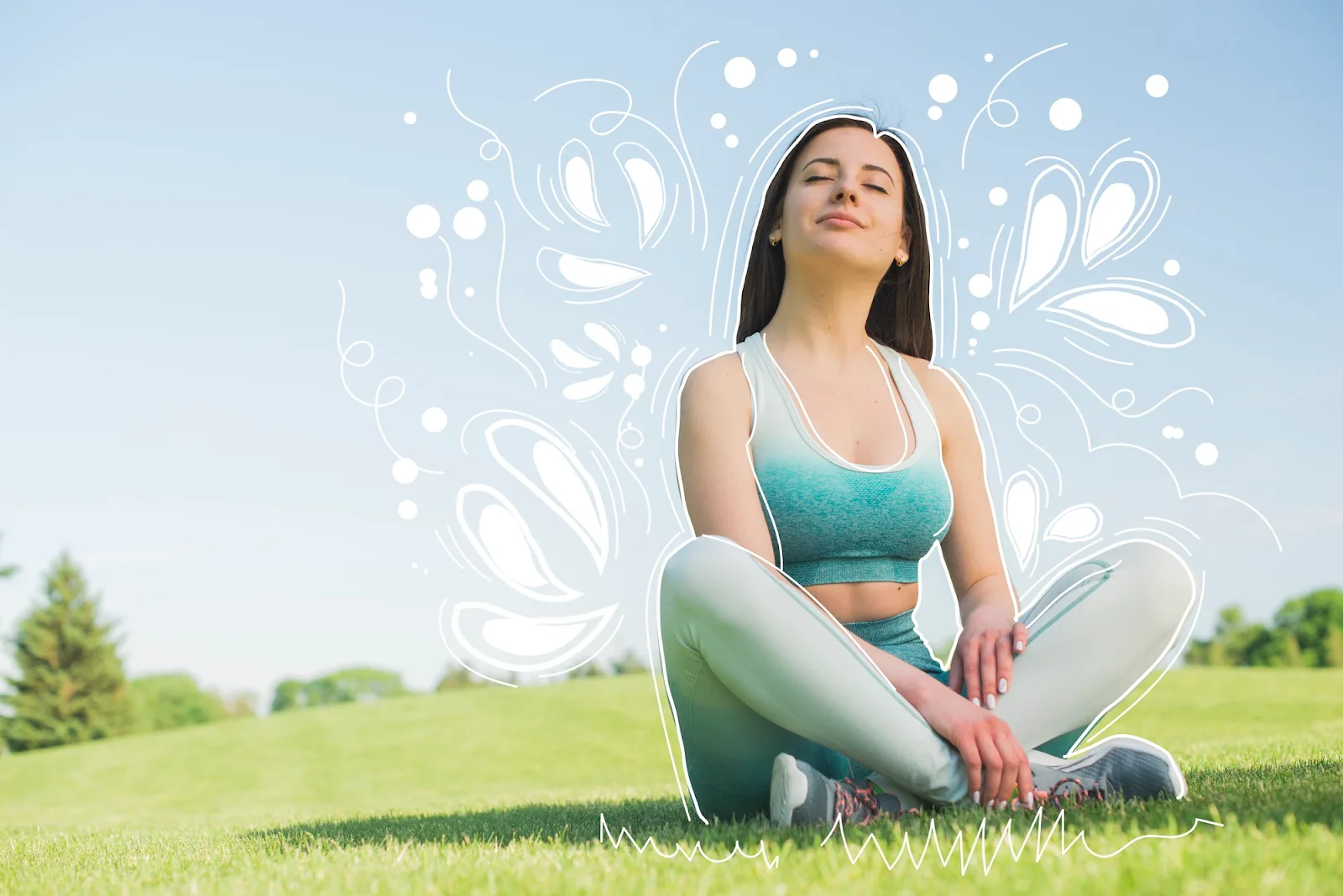
In today’s fast-paced world, stress is more than just an occasional inconvenience; it’s a chronic issue affecting millions of people physically, mentally, and emotionally. As traditional methods of stress management often focus on isolated symptoms, a growing number of individuals are turning to holistic practices to restore balance between the mind and body.
Understanding the Mind-Body Connection
The mind-body connection refers to the link between our thoughts, emotions, behaviors, and physical health. Scientific research continues to support the idea that mental well-being can directly influence the body’s ability to heal, resist disease, and maintain a state of balance. When you’re stressed, your body releases hormones like cortisol, which can suppress the immune system, disrupt sleep, and increase the risk of chronic conditions.
By nurturing this connection, holistic approaches offer a comprehensive way to manage and reduce stress naturally without relying solely on medication or short-term fixes.
Holistic Practices That Help Reduce Stress
Here are some effective mind-body techniques that can be integrated into daily life to help reduce stress:

1. Meditation and Mindfulness
Meditation has long been recognized for its ability to calm the mind and regulate emotions. Even just 10 minutes a day of focused breathing or mindfulness practice can lower cortisol levels, improve concentration, and enhance emotional resilience.
2. Yoga and Gentle Movement
Yoga combines physical postures, breath control, and meditation, making it one of the most powerful tools for relieving stress. Regular practice can improve flexibility, balance, and circulation, while also fostering inner peace.
3. Breathwork (Pranayama)
Simple breathing exercises help stimulate the parasympathetic nervous system which is responsible for “rest and digest” functions. Try techniques like box breathing or alternate nostril breathing to instantly calm the mind.
4. Herbal Remedies and Nutrition
Many herbs, such as ashwagandha, chamomile, and lavender, have calming effects on the nervous system. In addition, maintaining a nutrient-rich diet supports brain health and hormone balance. For those looking to support both stress management and weight loss, try adding this 3-Ingredient Fat Burning Soup to your meal plan. It’s keto-friendly and can help you burn 400 calories on autopilot!
5. Journaling and Expressive Writing
Expressing emotions through writing can help process unresolved feelings and reduce mental overload. Keeping a gratitude journal, for instance, has been shown to promote optimism and emotional clarity.
6. Nature Therapy and Grounding
Spending time outdoors and reconnecting with nature reduces stress hormone levels and enhances mental well-being. Walking barefoot on grass (grounding) can also balance your body’s natural electrical charge, helping you feel more centered.
Making Holistic Stress Management a Lifestyle
Integrating these practices doesn’t have to be complicated. Start with small, manageable habits like a five-minute breathing session in the morning or a short yoga routine before bed and gradually build a stress-resilient lifestyle. When practiced consistently, these tools can lead to improved mood, better sleep, and a stronger immune system.
For more on how managing stress plays a role in your overall health, read our article on The Importance of Stress Management in a Healthy Lifestyle.
Final Thoughts
The mind-body connection is a powerful pathway to healing and wellness. By embracing holistic practices, you can transform stress from a silent saboteur into a signal to slow down, reconnect, and thrive. Whether you’re a busy professional, a caregiver, or someone going through life’s transitions, these tools can empower you to take control of your health naturally.

Your morning sets the tone for the entire day. A rushed, chaotic start can leave you feeling scattered and stressed, while a mindful, intentional routine can help you feel grounded, energized, and ready to take on whatever comes your way. A holistic morning routine isn’t just about productivity, but it’s about nourishing your body, mind, and soul from the moment you wake up.
Here’s how to create a morning routine that aligns with your health goals, mental clarity, and overall well-being.
1. Wake Up with Purpose
Start by giving yourself enough time in the morning. Waking up just 10–30 minutes earlier can help you transition into the day without pressure. Use this time to set an intention. Ask yourself: What kind of energy do I want to bring into today?
This simple mindset shift can help you stay centered, no matter what challenges arise.
2. Hydrate First Thing
After 7–8 hours of sleep, your body needs hydration. Drinking a glass of water (preferably with lemon) jumpstarts your metabolism, aids digestion, and flushes out toxins. Add a pinch of Himalayan salt for added minerals.
3. Gentle Movement to Wake the Body
Stretching, yoga, or a short walk can help awaken your muscles and improve circulation. Movement doesn’t have to be intense to be effective. The goal is to reconnect with your body, increase energy, and boost your mood.
For more ideas on morning activities that support weight loss, check out these 10 Morning Rituals That Help Shed Pounds.
4. Nourish with a Light, Balanced Breakfast

Skip the sugar-laden cereals and opt for whole, nutrient-dense foods. A balanced breakfast with protein, fiber, and healthy fats will stabilize your blood sugar and fuel your morning.
Looking for a fast and effective fat-burning option? Try this 3-Ingredient Fat Burning Soup. It’s keto-friendly, satisfying, and designed to help you burn 400 calories on autopilot!
5. Practice Mindfulness
Spend 5–10 minutes meditating, journaling, or simply breathing deeply. This helps regulate stress hormones and primes your brain for focus and calm. Even just one mindful breath before starting your tasks can shift your entire outlook.
6. Limit Screen Time
Resist the urge to check your phone or social media first thing. Instead, spend your first moments being present — with yourself, your family, or nature. This preserves mental clarity and reduces anxiety triggered by digital overload.
7. Plan Your Day Intentionally
Before jumping into work, take a few minutes to review your top priorities. A written to-do list or planner can help you stay organized and avoid feeling overwhelmed.
Final Thoughts
Creating a holistic morning routine isn’t about perfection but it’s about consistency and self-care. When you start your day with intention, you build a strong foundation for your health, focus, and happiness. Small, mindful choices in the morning lead to big wins over time.
Start tomorrow with a purpose. Your future self will thank you.

In today’s busy world, slowing down can sometimes be viewed as unproductive to some, but to others, embracing the art of slow living leads to deeper fulfillment, improved mental clarity, and better overall health. Rooted in mindfulness and intentionality, slow living encourages a holistic lifestyle that nurtures your body, mind, and spirit.
What is Slow Living?
Slow living is a lifestyle philosophy that emphasizes quality over quantity, mindfulness over haste, and connection over consumption. It invites you to live intentionally, appreciating the simple moments and making conscious choices that align with your values. Whether it’s preparing home-cooked meals, spending time in nature, or practicing gratitude, slow living shifts your focus from doing more to the point of burnout to doing less but living better.
The Pillars of a Holistic Lifestyle
A holistic lifestyle integrates various aspects of well-being, including physical health, emotional balance, spiritual awareness, and a sustainable relationship with nature. Here are some key elements:
1. Nourishing Your Body Naturally

Eating whole, unprocessed foods and staying hydrated are cornerstones of holistic health. Herbal teas, for instance, are a gentle yet effective way to support your immune system and create mindful rituals in your day. Curious about the benefits? Read more here: The Herbal Tea Hustle: Can Steaming Mugs Boost Your Immune System?
2. Creating Space for Mindfulness

Meditation, journaling, and deep breathing can reduce stress and bring clarity to your thoughts. Slow living encourages you to be present, tuning in to your body’s signals and your emotional needs.
3. Reconnecting With Nature

Spending time outdoors helps reset your circadian rhythm and uplifts your mood. Whether it’s gardening, hiking, or simply sipping tea on the porch, these moments foster a sense of peace and connection to the earth.
4. Simplifying Your Surroundings

Decluttering your home and living with intention helps reduce mental overload. Adopting minimalism and using natural, sustainable materials can transform your space into a calming sanctuary.
Why Choose Slow Living?
- Reduces stress and anxiety
- Improves focus and productivity
- Fosters deeper relationships
- Promotes sustainability and environmental consciousness
- Encourages self-reflection and personal growth
Final Thoughts
Slow living isn’t about doing everything slowly. It is about doing things with purpose. By embracing a holistic lifestyle, you’re not just surviving the chaos of modern life, you’re thriving in a rhythm that nourishes your soul. Start small. Sip your tea. Read that book. Take a walk. Breathe. And let the art of slow living guide you back home to yourself.
How to Use Holistic Practices to Reduce Stress
5 Easy Ways to Build a Naturaland Nourishing Kitchen
7 Ways to Create a Holistic Morning Routine
The Art of Slow Living:Embracing a Holistic Lifestyle
Natural Beauty: Why Less is More in Holistic Living
-
 HEALTH2 years ago
Tick Population Exploding In The US This Year – How To Protect Yourself From Lyme Disease
-
 HEALTH2 years ago
14 Easy Movements to Ease Shoulder Pain
-
 FITNESS2 years ago
4 of the Best Supplements for Weight Loss
-
 HEALTH2 years ago
The Sleep Deprived Brain…
-
 HEALTH2 years ago
How To Let Go Of Anger
-
 NUTRITION2 years ago
Cabbage Soup To Slim The Soul
-
 NUTRITION2 years ago
12 High Carb Foods That Are Surprisingly Healthy
-
 FITNESS2 years ago
10 Morning Rituals That Help Shed Pounds