
HEALTH
Treating Depression With DMT: Controversial or Compelling?


In America and around the globe, drugs once classified as illegal are being found to have varying components that offer great benefits when administered in a controlled manner.
Take marijuana for instance, still illegal in most states here in America, the drug has long been used for treatment in glaucoma and cancer patients.
And, I’m sure you’re familiar with the fact that an active ingredient of the marijuana plant, CBD, is now widely being used to treat a range of disorders and ailments from PTSD to pain relief.
But, marijuana isn’t the only drug (overseas at least) that is proving to be a promising treatment for sufferers of various conditions.
Currently, in the UK, clinical trials are set to begin involving the use of DMT, a psychedelic drug also derived from a plant.
And, though controversial, this could be wonderful news for more than hundreds of millions of depression sufferers worldwide!
But, what would you say is the most important bit of info in the information above?
…the potential help with depression?
…or, the controversial means by which this help may be achieved?
There often seems to be a split in opinion regarding these issues:
- some are for treatment, even if the means by which said treatment is found centers around drugs that have been long considered illegal
- some are for treatment but do not approve of means that involve the use of the same drugs
There are no doubt risks in either, or any, situation. But, where do you stand?
Read on about the latest findings and treatment options coming out of the UK and let us know your thoughts below.
Depression
Depression. Clinical Depression. Major Depressive Disorder.
These terms are all used to describe a mental health disorder rooted in many causes, from biological to psychological, and social sources.
Depression can cause symptoms that negatively affect how an individual thinks, feels, handles, or responds to daily activities.
It can occur simultaneously with other diseases and ailments such as cancer, diabetes, and heart disease. These conditions can exacerbate depression symptoms and depression can in turn worsen these conditions…an unfortunate double-edged sword for sufferers.
Sufferers may experience:
- Loss of appetite
- Loss of interest in regular activities
- Irritability
- Restlessness, loss of sleep
- Fatigue
- Sadness
- Feelings of hopelessness, guilt, worthlessness
- Aches, pain (headaches, cramps, digestive issues)
- Overly tired
- Thoughts of death or suicide
Depressive disorders are often treated by medication and/or therapy (counseling) and through brain stimulation therapy, which brings us to the potentially controversial topic at hand coming out of the UK…medications used as a treatment option for depression.
DMT For Treating Depression
The drug now being used in a clinical trial to treat depression is a psychedelic drug known as dimethyltryptamine (DMT).
For now, though there is still one step left in the approval process, the trial is on track to begin in January, first involving 32 (healthy) volunteers who have never taken any psychedelic drugs.
The next step will then involve the drug being administered to 36 patients who have been diagnosed with clinical depression and will be used in conjunction with psychotherapy.
So, what’s the controversy?
DMT is also a “street drug” classified as a Class A substance that will land you in jail for 7 years for possession and life in prison for supplying the drug.
It is often referred to as the “spirit molecule” because the drug can cause powerful hallucinogenic “trips.”
While DMT is found in several plants. Its use here comes from the active ingredient in the ayahuasca plant which is used in traditional healing practices in South America with powerful psychoactive effects.
And, though some would liken this to using medical marijuana, being “pro-benefit,” others feel that journeying down this path of using such drugs to treat mental and physical illnesses is one that isn’t without many dangers.
So, what is the benefit of venturing down such a path when it comes to treating depression with DMT?
First, time.
There are other substances, also thought of as controversial, that have been considered and even used to treat depression (like psilocybin, the psychedelic ingredient found in some mushrooms) as well, but these often require lengthy amounts of time for the drug to both take effect and wear off.
DMT presents as a curiously promising treatment as it is fast-acting.
DMT evokes a psychedelic experience that happens quickly, is more intensified, but also ends quickly. (at this time the psychotherapy session will be conducted)
Second, effectiveness.
The chief scientific and medical officer running the clinical trial describes the drug’s benefits like this:
“The psychedelic drug breaks up all of the ruminative thought processes in your brain – it literally undoes what has been done by either the stress you’ve been through or the depressive thoughts you have – and hugely increases the making of new connections.” (Carol Routledge)
The intention is to then have the patient go through therapy sessions to help piece those thoughts back together, making sense of them in a productive manner.
Third, options.
The hopes for DMT aren’t specific to depression alone.
Researchers believe this type of treatment could be beneficial for those with PTSD, treatment-resistant depression, anxiety, obsessive-compulsive disorder, and even those battling substance abuse.
But, if this treatment is considered controversial due to the illegal classification of the drug, why use it at all?
Well…honestly, this isn’t a new concept.
Take a look at the “illegal” drugs used in both trials and as subsequently effective treatment options for varying ailments and conditions.
Cannabis
As we mentioned in the beginning of this article, marijuana has been used to treat numerous medical ailments from glaucoma to Alzheimer’s disease, Crohn’s disease to cancer, MS, epilepsy, and much more.
And yet…it is still considered to be an illegal drug in most areas that will result in jail time if you are found in possession or caught selling the drug.
Granted, those uses would be listed under medical marijuana, but you get the picture.
Psilocybin
Another drug we also briefly mentioned above, psilocybin is the active psychedelic ingredient found in “magic” mushrooms. Also considered an illegal drug in many American states.
Medically speaking, physicians have used psilocybin to treat headaches, cancer, depression, and anxiety disorders.
LSD
Yep, even Lucy in the Sky with Diamonds has been used as a treatment option, considered non-addictive, for pain relief and management.
MDMA
Perhaps you’ll better recognize this one by its street name, the illegal drug known as ecstasy. MDMA is being researched here in the US for its use in combination with psychotherapy to help those suffering from PTSD.
Your Thoughts
It’s interesting to note that many of these illegal drugs have roots in ancient medicinal practices.
So, in the name of discussion, and perhaps poking a bigger bear here:
- What prompted such medicines used long ago to be classified as illegal?
- What makes them so risky today? Because we can’t deny the negative effects we see in street usage. (is it unmonitored usage, or abusive recreational use)
- Is their use for treatment, like DMT in this case, too risky?
- Does their use for treatment, like DMT in this case, prove to be too beneficial to overlook?
- For it: only in a controlled manner?
- Against it: in any manner?
Comment and let us know your thoughts!
These 5 Plants Kick Anxiety’s A$$
Do you suffer from crippling, overwhelming, or even a slight nagging sense of anxiety or depression?
If the answer is “yes”, chances are the “stress system” in your body responsible for processing stressors is out of balance and over-sensitive.
When this “stress system” is out of balance or over-sensitive…
Stressors trigger your body’s “fight, flight, or freeze” response too easily and too often…
And that stressed-out response lasts longer than it should.
Balancing your “stress system” helps your body naturally adapt (without any harmful side effects) to better handle your response to stressors…
So you can very quickly (often the same day you start balancing this system) experience a peaceful calm that transports you to a happier, better place, and finally frees you from worry.
Here’s how to do it…
⇒ Take these 5 plants to quiet your oversensitive response to anxiety and balance your “stress system”, so you can quickly and safely get your life back to normal, peaceful, and calm
References:
- https://www.nimh.nih.gov/health/publications/depression/index.shtml
- https://www.theguardian.com/science/2020/dec/09/psychedelic-drug-dmt-to-be-trialled-in-uk-to-treat-depression
- https://www.theguardian.com/stage/2019/jun/14/psychedelics-dance-steps-and-giant-snakes-inside-the-ayahuasca-show
- https://www.healtheuropa.eu/combatting-resistant-depression-with-dmt-and-digital-therapy/103098/
- https://www.intelligentliving.co/dmt-depression-anxiety/
- https://www.dazeddigital.com/science-tech/article/51369/1/psychedelic-drug-dmt-trialled-to-treat-depression-drugs-mental-health-uk
- https://www.webmd.com/a-to-z-guides/qa/what-is-medical-marijuana-used-for
- https://www.medicalnewstoday.com/articles/308850#:~:text=In%20medical%20settings%2C%20doctors%20have,depression%2C%20and%20other%20anxiety%20disorders.
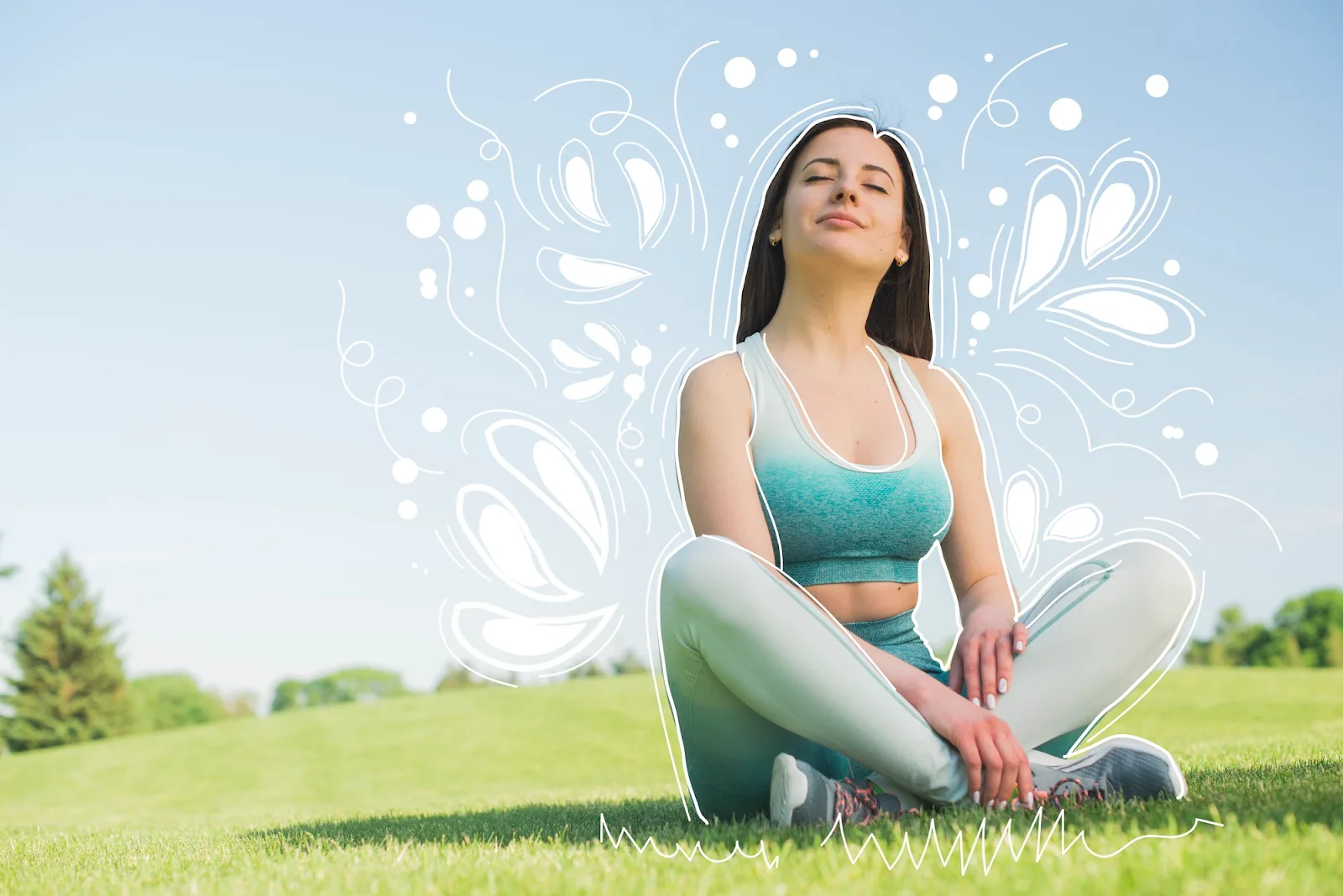
In today’s fast-paced world, stress is more than just an occasional inconvenience; it’s a chronic issue affecting millions of people physically, mentally, and emotionally. As traditional methods of stress management often focus on isolated symptoms, a growing number of individuals are turning to holistic practices to restore balance between the mind and body.
Understanding the Mind-Body Connection
The mind-body connection refers to the link between our thoughts, emotions, behaviors, and physical health. Scientific research continues to support the idea that mental well-being can directly influence the body’s ability to heal, resist disease, and maintain a state of balance. When you’re stressed, your body releases hormones like cortisol, which can suppress the immune system, disrupt sleep, and increase the risk of chronic conditions.
By nurturing this connection, holistic approaches offer a comprehensive way to manage and reduce stress naturally without relying solely on medication or short-term fixes.
Holistic Practices That Help Reduce Stress
Here are some effective mind-body techniques that can be integrated into daily life to help reduce stress:

1. Meditation and Mindfulness
Meditation has long been recognized for its ability to calm the mind and regulate emotions. Even just 10 minutes a day of focused breathing or mindfulness practice can lower cortisol levels, improve concentration, and enhance emotional resilience.
2. Yoga and Gentle Movement
Yoga combines physical postures, breath control, and meditation, making it one of the most powerful tools for relieving stress. Regular practice can improve flexibility, balance, and circulation, while also fostering inner peace.
3. Breathwork (Pranayama)
Simple breathing exercises help stimulate the parasympathetic nervous system which is responsible for “rest and digest” functions. Try techniques like box breathing or alternate nostril breathing to instantly calm the mind.
4. Herbal Remedies and Nutrition
Many herbs, such as ashwagandha, chamomile, and lavender, have calming effects on the nervous system. In addition, maintaining a nutrient-rich diet supports brain health and hormone balance. For those looking to support both stress management and weight loss, try adding this 3-Ingredient Fat Burning Soup to your meal plan. It’s keto-friendly and can help you burn 400 calories on autopilot!
5. Journaling and Expressive Writing
Expressing emotions through writing can help process unresolved feelings and reduce mental overload. Keeping a gratitude journal, for instance, has been shown to promote optimism and emotional clarity.
6. Nature Therapy and Grounding
Spending time outdoors and reconnecting with nature reduces stress hormone levels and enhances mental well-being. Walking barefoot on grass (grounding) can also balance your body’s natural electrical charge, helping you feel more centered.
Making Holistic Stress Management a Lifestyle
Integrating these practices doesn’t have to be complicated. Start with small, manageable habits like a five-minute breathing session in the morning or a short yoga routine before bed and gradually build a stress-resilient lifestyle. When practiced consistently, these tools can lead to improved mood, better sleep, and a stronger immune system.
For more on how managing stress plays a role in your overall health, read our article on The Importance of Stress Management in a Healthy Lifestyle.
Final Thoughts
The mind-body connection is a powerful pathway to healing and wellness. By embracing holistic practices, you can transform stress from a silent saboteur into a signal to slow down, reconnect, and thrive. Whether you’re a busy professional, a caregiver, or someone going through life’s transitions, these tools can empower you to take control of your health naturally.

Your morning sets the tone for the entire day. A rushed, chaotic start can leave you feeling scattered and stressed, while a mindful, intentional routine can help you feel grounded, energized, and ready to take on whatever comes your way. A holistic morning routine isn’t just about productivity, but it’s about nourishing your body, mind, and soul from the moment you wake up.
Here’s how to create a morning routine that aligns with your health goals, mental clarity, and overall well-being.
1. Wake Up with Purpose
Start by giving yourself enough time in the morning. Waking up just 10–30 minutes earlier can help you transition into the day without pressure. Use this time to set an intention. Ask yourself: What kind of energy do I want to bring into today?
This simple mindset shift can help you stay centered, no matter what challenges arise.
2. Hydrate First Thing
After 7–8 hours of sleep, your body needs hydration. Drinking a glass of water (preferably with lemon) jumpstarts your metabolism, aids digestion, and flushes out toxins. Add a pinch of Himalayan salt for added minerals.
3. Gentle Movement to Wake the Body
Stretching, yoga, or a short walk can help awaken your muscles and improve circulation. Movement doesn’t have to be intense to be effective. The goal is to reconnect with your body, increase energy, and boost your mood.
For more ideas on morning activities that support weight loss, check out these 10 Morning Rituals That Help Shed Pounds.
4. Nourish with a Light, Balanced Breakfast

Skip the sugar-laden cereals and opt for whole, nutrient-dense foods. A balanced breakfast with protein, fiber, and healthy fats will stabilize your blood sugar and fuel your morning.
Looking for a fast and effective fat-burning option? Try this 3-Ingredient Fat Burning Soup. It’s keto-friendly, satisfying, and designed to help you burn 400 calories on autopilot!
5. Practice Mindfulness
Spend 5–10 minutes meditating, journaling, or simply breathing deeply. This helps regulate stress hormones and primes your brain for focus and calm. Even just one mindful breath before starting your tasks can shift your entire outlook.
6. Limit Screen Time
Resist the urge to check your phone or social media first thing. Instead, spend your first moments being present — with yourself, your family, or nature. This preserves mental clarity and reduces anxiety triggered by digital overload.
7. Plan Your Day Intentionally
Before jumping into work, take a few minutes to review your top priorities. A written to-do list or planner can help you stay organized and avoid feeling overwhelmed.
Final Thoughts
Creating a holistic morning routine isn’t about perfection but it’s about consistency and self-care. When you start your day with intention, you build a strong foundation for your health, focus, and happiness. Small, mindful choices in the morning lead to big wins over time.
Start tomorrow with a purpose. Your future self will thank you.

In today’s busy world, slowing down can sometimes be viewed as unproductive to some, but to others, embracing the art of slow living leads to deeper fulfillment, improved mental clarity, and better overall health. Rooted in mindfulness and intentionality, slow living encourages a holistic lifestyle that nurtures your body, mind, and spirit.
What is Slow Living?
Slow living is a lifestyle philosophy that emphasizes quality over quantity, mindfulness over haste, and connection over consumption. It invites you to live intentionally, appreciating the simple moments and making conscious choices that align with your values. Whether it’s preparing home-cooked meals, spending time in nature, or practicing gratitude, slow living shifts your focus from doing more to the point of burnout to doing less but living better.
The Pillars of a Holistic Lifestyle
A holistic lifestyle integrates various aspects of well-being, including physical health, emotional balance, spiritual awareness, and a sustainable relationship with nature. Here are some key elements:
1. Nourishing Your Body Naturally

Eating whole, unprocessed foods and staying hydrated are cornerstones of holistic health. Herbal teas, for instance, are a gentle yet effective way to support your immune system and create mindful rituals in your day. Curious about the benefits? Read more here: The Herbal Tea Hustle: Can Steaming Mugs Boost Your Immune System?
2. Creating Space for Mindfulness

Meditation, journaling, and deep breathing can reduce stress and bring clarity to your thoughts. Slow living encourages you to be present, tuning in to your body’s signals and your emotional needs.
3. Reconnecting With Nature

Spending time outdoors helps reset your circadian rhythm and uplifts your mood. Whether it’s gardening, hiking, or simply sipping tea on the porch, these moments foster a sense of peace and connection to the earth.
4. Simplifying Your Surroundings

Decluttering your home and living with intention helps reduce mental overload. Adopting minimalism and using natural, sustainable materials can transform your space into a calming sanctuary.
Why Choose Slow Living?
- Reduces stress and anxiety
- Improves focus and productivity
- Fosters deeper relationships
- Promotes sustainability and environmental consciousness
- Encourages self-reflection and personal growth
Final Thoughts
Slow living isn’t about doing everything slowly. It is about doing things with purpose. By embracing a holistic lifestyle, you’re not just surviving the chaos of modern life, you’re thriving in a rhythm that nourishes your soul. Start small. Sip your tea. Read that book. Take a walk. Breathe. And let the art of slow living guide you back home to yourself.
How to Use Holistic Practices to Reduce Stress

5 Easy Ways to Build a Naturaland Nourishing Kitchen
7 Ways to Create a Holistic Morning Routine
The Art of Slow Living:Embracing a Holistic Lifestyle
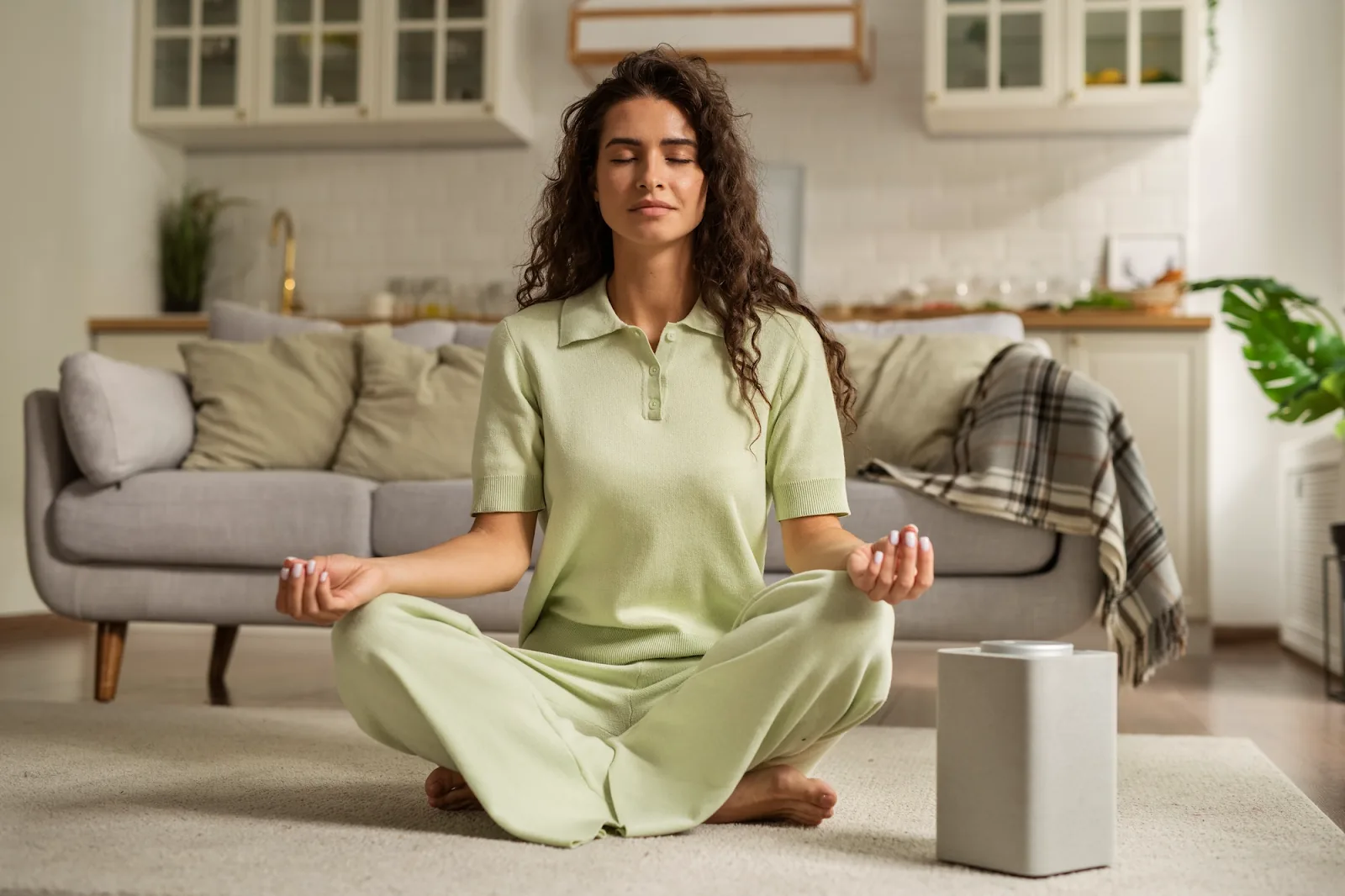
Natural Beauty: Why Less is More in Holistic Living
-
 HEALTH2 years ago
Tick Population Exploding In The US This Year – How To Protect Yourself From Lyme Disease
-
 HEALTH2 years ago
14 Easy Movements to Ease Shoulder Pain
-
 FITNESS2 years ago
4 of the Best Supplements for Weight Loss
-
 HEALTH2 years ago
The Sleep Deprived Brain…
-
 HEALTH2 years ago
How To Let Go Of Anger
-
 NUTRITION2 years ago
Cabbage Soup To Slim The Soul
-
 NUTRITION2 years ago
12 High Carb Foods That Are Surprisingly Healthy
-
 FITNESS2 years ago
10 Morning Rituals That Help Shed Pounds