
NUTRITION
Navigating the Confusing World of Nutrition: Advice from a Registered Dietitian


[ad_1]
Navigating the Confusing World of Nutrition: Advice from a Registered Dietitian
In today’s world, there is no shortage of information when it comes to nutrition. Whether it’s the latest fad diet or a new superfood that promises to solve all of your health woes, the sheer volume of conflicting advice can be overwhelming. In the midst of this confusion, it’s important to turn to the experts for reliable guidance. Registered Dietitians (RDs) are trained professionals who can provide evidence-based nutrition advice to help you make informed choices about your diet.
One of the biggest challenges in making healthy food choices is understanding what your body needs and how to achieve a balanced diet. RDs can help you navigate the many contradictory messages about nutrition and lead you toward a diet that is individualized and sustainable. They can also provide guidance on how to manage specific dietary concerns, such as food allergies, intolerances, and chronic conditions like diabetes and heart disease.
When it comes to weight management, RDs can help you cut through the hype of restrictive diets and instead focus on creating a healthy relationship with food. They can provide you with the tools and support to make lasting lifestyle changes that promote overall well-being, rather than just focusing on the number on the scale.
In addition, RDs can help you make sense of the vast array of food choices available in today’s market. With so many products claiming to be “healthy,” it can be difficult to know what to choose. RDs can help you decipher nutrition labels, understand ingredient lists, and make informed decisions about which foods will best support your health and fitness goals.
It’s also important to recognize that nutrition isn’t just about what you eat, but also how you eat. RDs can provide guidance on mindful eating practices, emphasizing the importance of enjoying food and paying attention to your body’s hunger and fullness cues. This approach can help you break free from the cycle of dieting and binging, and instead develop a positive and sustainable relationship with food.
Ultimately, the key to navigating the confusing world of nutrition lies in seeking out the expertise of a registered dietitian. By working with an RD, you can gain the knowledge and support you need to make sense of the conflicting nutrition information out there and create a diet that is truly nourishing for your body and mind. Don’t let the noise of fad diets and quick fixes distract you from the truth: a healthy diet is varied, balanced, and individualized. So, embrace the expertise of a registered dietitian and take control of your nutrition.
[ad_2]

In a world of fast food and artificial ingredients, the idea of a holistic pantry offers a refreshing return to nature. It’s not just about what you eat but on how your food supports your overall well-being, energy levels, and long-term health. Whether you’re just starting your wellness journey or looking to upgrade your kitchen staples, building a natural, nourishing pantry is one of the most empowering things you can do for your health.
What is a Holistic Pantry?
A holistic pantry focuses on whole, unprocessed, nutrient-rich ingredients. It’s about stocking your kitchen with foods that nourish your body from the inside out, support natural detoxification, and reduce inflammation. This kind of pantry aligns with clean eating principles, gut health support, and even energy balance.
A few key elements of a holistic pantry include:
- Organic whole grains (like quinoa, brown rice, oats)
- Plant-based proteins (such as lentils, chickpeas, and seeds)
- Natural sweeteners (like honey, maple syrup, and dates)
- Cold-pressed oils (such as olive, coconut, and avocado oils)
- Herbs and spices that support digestion and immunity
- Fermented foods for gut health
- Superfoods like chia seeds, flaxseeds, spirulina, or maca
How to Build a Nourishing Pantry

Here’s a step-by-step guide to creating a kitchen that’s as healing as it is delicious.
1. Clear the Clutter
Start by ditching processed snacks, sugary cereals, hydrogenated oils, and artificial seasonings. Anything with an ingredient list you can’t pronounce? Probably doesn’t belong in a holistic pantry.
2. Invest in Whole-Food Staples
Think brown rice instead of instant rice, rolled oats instead of flavored packets, and dried beans instead of canned with additives. Keep your staples simple and versatile.
3. Add Flavor the Natural Way
Your seasoning shelf should be full of healing herbs and spices (e.g. turmeric, ginger, garlic powder, rosemary, basil, and cumin). They not only flavor your food but offer powerful anti-inflammatory and immune-boosting benefits.
4. Don’t Forget Healthy Fats
Ditch vegetable oil and opt for cold-pressed, unrefined oils that support brain health, hormone balance, and heart function.
5. Make It Easy for Busy Days
A well-stocked pantry means quick meals can still be healthy. Browse these Quick and Healthy Dinner Ideas for Busy Weeknights to make the most of what’s in your pantry.
Bonus: Supercharge Your Pantry with Fat-Burning Support
If you’re looking to enhance your healthy lifestyle even more? Don’t miss The 3-Ingredient Fat Burning Soup. It is a keto-friendly, metabolism-boosting soup designed to help you burn 400 calories on autopilot. It’s a simple, effective way to bring functional nutrition into your routine.
Final Thoughts
A holistic pantry isn’t about perfection. It’s about progress and choosing foods that align with your health goals, your values, and your lifestyle. When your kitchen is filled with vibrant, wholesome options, healthy eating becomes effortless. Start small, stay consistent, and your pantry and body will thank you.

In a world increasingly leaning toward natural remedies and holistic health, herbal healing has reemerged as a powerful, time-tested solution. From boosting immunity to relieving stress, the humble herbs found in your kitchen or garden can offer significant wellness benefits without synthetic chemicals or side effects.
Here are seven everyday herbs that support natural wellness and can easily be incorporated into your daily routine.
1. Ginger

Ginger is a superstar in the herbal world. Known for its anti-inflammatory and antioxidant properties, ginger can help with digestion, ease nausea, and reduce muscle soreness. Whether you enjoy it in tea, smoothies, or meals, ginger is a versatile herb that supports overall health.
2. Turmeric

This golden spice contains curcumin, a compound celebrated for its strong anti-inflammatory effects. Regular consumption of turmeric can support joint health, improve brain function, and even fight chronic diseases. Add it to curries, golden milk, or morning smoothies for a wellness boost.
3. Peppermint

Peppermint isn’t just refreshing, it also soothes the digestive tract and helps relieve symptoms of irritable bowel syndrome (IBS). Inhaling peppermint essential oil or drinking peppermint tea can ease headaches and clear sinuses too.
4. Chamomile

This gentle herb is widely used to promote better sleep and reduce anxiety. Chamomile tea is a popular bedtime beverage thanks to its calming properties. It also has anti-inflammatory effects that can help soothe the skin and digestive tract.
5. Garlic

A kitchen staple, garlic is known for its immune-boosting capabilities. It contains allicin, which has antimicrobial and antiviral properties. Regular consumption of raw or cooked garlic may help reduce the risk of heart disease and strengthen immune defenses.
For more on how hot beverages like herbal teas can benefit your immune system, check out our feature: The Herbal Tea Hustle: Can Steaming Mugs Boost Your Immune System?
6. Lemon Balm

Closely related to mint, lemon balm is known for its ability to reduce stress, boost mood, and enhance cognitive function. It’s often used in teas and tinctures and is also a gentle remedy for digestive discomfort.
7. Basil

Beyond being a culinary favorite, basil—especially Holy Basil (Tulsi)—has adaptogenic properties that help the body manage stress. It also supports immune health, reduces inflammation, and offers antibacterial benefits.
How to Get Started with Herbal Healing
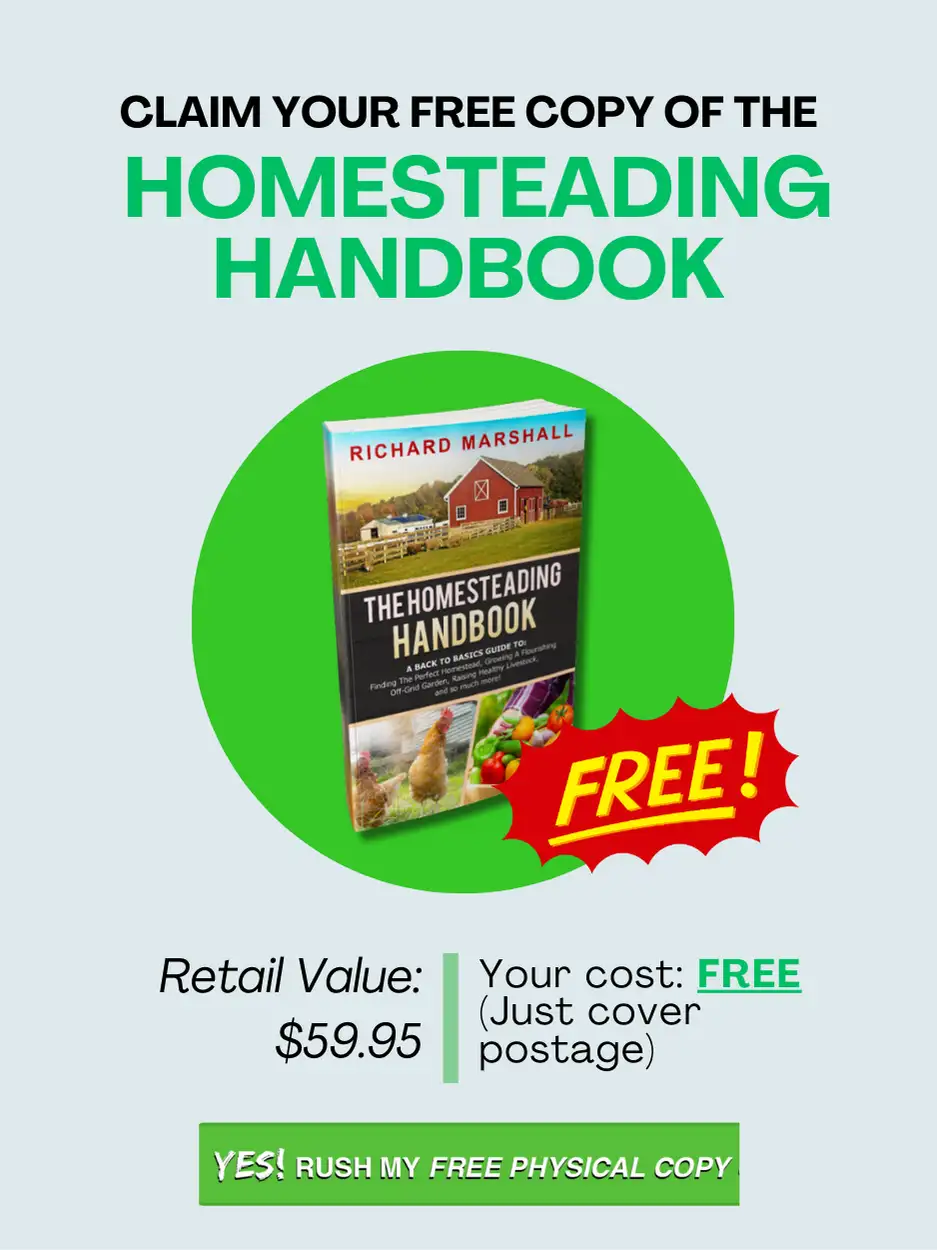
Herbal wellness doesn’t require complicated formulas or rare ingredients. Most of these herbs can be grown at home or found in local markets. For those interested in a more self-sufficient lifestyle, this Homesteading Handbook is a valuable guide to growing a flourishing off-grid garden, raising healthy livestock, and embracing natural living.
Final Thoughts
Herbal healing is not just a trend—it’s a return to our roots. By integrating these seven everyday herbs into your routine, you can experience natural wellness from the inside out. Whether you’re sipping on herbal tea or spicing up your dinner with turmeric and garlic, small changes can lead to significant health improvements.

Some of us experience stressful seasons of life. Others live in a constant state of stress.
But, no matter which category you find yourself in, your body’s response to stress can be a help or a hindrance.
Too much stress, or too much of your body’s internal response to stress, can cause your cortisol levels to be elevated.
And, unfortunately there’s a laundry list of negative side effects that come with having too much of this stress hormone released all at once or over time.
Ah, but thankfully there’s also a laundry list of ways to combat elevated levels of cortisol naturally!
What Is Cortisol?
Cortisol is a hormone that your body releases as a response to stress.
This hormone, or the release of it, is essentially the ignition switch on your body’s fight or flight response.
And, while a small amount of cortisol can work for your good – fighting inflammation internally, regulating sleep, controlling blood pressure levels, and managing your body’s use of macronutrients – when those levels are elevated, a storm is brewing.
When too much cortisol is released in your body, or when it is released too often, the following negative side effects or symptoms may occur:
- high blood sugar
- irregular periods or the absence of periods
- high blood pressure
- fatigue or low energy
- heart disease
- insomnia
- type 2 diabetes
- increased risk of developing infections
- weakened immune system
- cognitive impairment
- weight gain
- tumors
- Cushing’s Syndrome (see the following list of Cushing’s symptoms)
– high blood pressure
– muscle weakness
– flushed face
– mood changes
– frequent urination
– lowered sex drive
– osteoporosis
– bruising
And, unfortunately, the threat of that list of concerns hits home for each and every one of us, since we’re all prone to stressful seasons of life.
So then, let’s explore some effective ways to naturally lower your cortisol levels and allow this hormone to help, and not hinder, the health of your body.
1- Sleep

Both sleep deprivation and irregular sleep patterns can cause increased levels of cortisol in your bloodstream.
Studies have shown that even those individuals who sleep during daytime hours due to job schedules can have increased levels of cortisol.
To regulate cortisol levels through sleep, establishing a regular pattern is recommended.
Seek to get 7-9 hours of restful sleep nightly, and incorporate healthy sleep practices such as avoiding screen time and caffeine close to the time you want to go to sleep, lowering your bedroom temperature a few degrees, waking at the same time each morning, and even using room darkening shades if you must sleep during daytime hours.
2- Laughter

Perhaps you’ve heard the phrase “laughter is good medicine.” Well, it seems that this sentiment holds a lot of truth!
Studies show that 10-20 minutes of true laughter can reduce serum cortisol.
Having a good time, laughing, being happy, these can all reduce stress and lower elevated cortisol levels as well as improve your immune responses and even reduce blood pressure.
When you laugh, hormones like cortisol are suppressed, and hormones like endorphins are released, improving your mood…and your health!
3- Hydration

Dehydration acts as a stressor to your body, prompting the release of cortisol.
And, as other organs and body systems do not function properly when you are dehydrated, this can exacerbate the problem, slowing natural detoxification processes and even contributing to inflammation.
Drinking enough water throughout the day, half an ounce of water for every pound you weigh, can keep your body systems functioning optimally and regulate cortisol levels.
4- Cut Caffeine

Caffeine can act as a double edged sword regarding cortisol.
This stimulant prompts the release of cortisol, and high levels of cortisol contribute to insomnia and low energy.
Then, what do many folks reach for when they’ve not slept well and are feeling sluggish? Caffeine!
So, high cortisol levels can leave you feeling fatigued, tempting you to reach for caffeine, then the caffeine causes an increase in cortisol levels as well. It’s a never ending cycle.
So, avoiding or limiting caffeine is best, but options like antioxidant rich green tea can be a healthy cortisol lowering replacement for beverages high in caffeine and processed sugars (like sodas).
And, if you must have caffeine at some point in your day, then seek to avoid consuming this stimulant at night, as this can disrupt sleep, another factor in controlling cortisol levels.
5- Exercise

While intense exercise has the potential to increase cortisol levels as your body undergoes stress during such sweat sessions, those levels decrease a few hours after exercise.
The act of exercise alone can reduce stress, but this process of increasing and decreasing cortisol levels through exercise can actually teach your body how to handle stress more appropriately creating a greater resilience to such situations.
To only experience the cortisol reducing effects of exercise (omitting the immediate spike in cortisol from high intensity activity), low intensity exercise is a proven way to reduce circulating cortisol levels.
6- Stress Relief
As stress is the key in the ignition, driving the release of cortisol, finding ways to cope with and reduce stress in your life is imperative when seeking to lower cortisol levels.
But, stress relief is different for each and every person. So, it may take a few attempts at trying new things when it comes to seeking out methods for reducing stress and promoting relaxation in your life.
We’ll give a list of proven methods to reduce stress in a moment, but this isn’t a one size fits all approach. For instance, yoga is a proven method of stress relief, but personally, yoga stresses me out. Go figure, right?
And, you may find that certain items that have been proven to be successful at relieving stress aren’t right for you either. That’s perfectly fine, just keep searching for ways that fit your personality and lifestyle, providing relief for you personally.
Some proven stress relieving methods include:
- Journaling
- Talking with a therapist (or even a friend or loved one)
- Taking long walks in nature
- Taking a relaxing bath or soak in the tub
- Reading a book by candlelight
- Meditation
- Mindful breathing exercises
- Yoga
- Hobbies such as painting or pottery (working with your hands)
- Physical activity
- Listening to music
7- Relationships

Healthy, loving relationships with friends, family, and spouses or partners can provide stability in a stressful world.
Such relationships can be a source of happiness, which can lower cortisol levels.
And, on the flip side of this, unhealthy relationships can actually raise cortisol levels, with studies showing that even an argument with a spouse can prompt a significant release of cortisol.
If you are in an unhealthy relationship, even a troublesome or stressful relationship at your workplace, seek to put some healthy boundaries in place to protect your body from elevated cortisol levels due to the stress caused by such a relationship.
And, spend time with those people who make you smile, laugh, and feel happy. Lean on these loved ones during times of stress, and enjoy each moment in these healthy relationships, even practicing gratitude for such relationships, to lower your cortisol levels.
8- Pets
Healthy relationships with other humans aren’t the only relationships that can be effective at lowering cortisol levels.
Relationships with furry friends are also beneficial!
Having a pet to care for has been proven to reduce stress and cortisol levels in a wide range of individuals.
From reducing distress concerning medical procedures in children, to offering support during socially stressful situations in adults, and providing therapy to nursing home patients, studies have proven pets to be a beneficial choice for many looking to lower their stress (and cortisol) levels.
9- Diet
Your diet can also play a role in reducing cortisol levels.
Cutting out foods that are high in processed sugars has been shown to reduce cortisol, while on the flip side of this equation, fueling your body with foods containing natural sugars can also regulate cortisol.
So, ditch the sodas, cakes, and candies, and instead, reach for fresh fruit, starchy vegetables, or even dark chocolate (like cacao, not dark chocolate Kit Kat bars) for a sweet fix.
Other foods to include in your diet that have been proven to lower cortisol levels naturally include:
- Bananas
- Pears
- Probiotic-rich yogurt
- Whole grains
- Fatty fish
- Nuts
- Seeds
10- Supplementation
As we’ve just seen, diet can address cortisol levels, but when diet alone doesn’t cut it, there are many supplements that have been proven beneficial at lowering cortisol levels as well.
Fish Oil
Fish oil is one of the most common supplements used to lower cortisol levels as several studies have proven its effectiveness.
One study showed omega-3 fatty acids found in fish oil to be beneficial at lowering cortisol levels in response to stressful tasks undertaken by participants of the study.
Another study looking at levels of omega-3 fatty acids within participants found those with higher levels also had lower instances of inflammation and lower cortisol levels.
Rhodiola
Rhodiola is an adaptogenic herb that is known for its role in reducing symptoms of depression, and according to research this is thought to occur due to the herb’s ability to lower stress hormone levels.
Ashwagandha
Ashwagandha is another adaptogenic herb that is often used to treat anxiety and stress. One study found that participants taking this herb significantly reduced levels of cortisol over the course of 60 days.
Juicy Purple Fruit “Eats Through” 57LBs?
When it comes to dropping the pounds, I thought I’d heard it all…
But recently, I stumbled on a potent fat-busting morning shake that I simply have to share with you…
>> Potent morning shake melts off 57 LBs

The reason this fruity drink is so powerful…
Is all down to the mysterious juicy purple fruit inside it…
This fruit triggers a powerful new hormone buried deep in your gut.
Which ruthlessly tears through the most stubborn unwanted fat…
When you try this shake yourself, make sure to drink it down in 5 minutes flat…
Because when you do…
You burn more flab than a whole hour on a joint-busting treadmill…
>> Powerful shake melts off 57 LBs (drink in under 5 minutes)

How to Use Holistic Practices to Reduce Stress
5 Easy Ways to Build a Naturaland Nourishing Kitchen

7 Ways to Create a Holistic Morning Routine

The Art of Slow Living:Embracing a Holistic Lifestyle

Natural Beauty: Why Less is More in Holistic Living
-
 HEALTH2 years ago
Tick Population Exploding In The US This Year – How To Protect Yourself From Lyme Disease
-
 HEALTH2 years ago
14 Easy Movements to Ease Shoulder Pain
-
 FITNESS2 years ago
4 of the Best Supplements for Weight Loss
-
 HEALTH2 years ago
The Sleep Deprived Brain…
-
 HEALTH2 years ago
How To Let Go Of Anger
-
 NUTRITION2 years ago
Cabbage Soup To Slim The Soul
-
 NUTRITION2 years ago
12 High Carb Foods That Are Surprisingly Healthy
-
 FITNESS2 years ago
10 Morning Rituals That Help Shed Pounds