
RECIPES
Budget-Friendly Eats: 10 Recipes to Keep Your Menu Wallet-Friendly


[ad_1]
Eating on a budget doesn’t mean sacrificing flavor or nutrition. With a little creativity and planning, you can whip up delicious meals that won’t break the bank. Here are 10 budget-friendly recipes to keep your menu wallet-friendly:
1. One-Pot Pasta Primavera: This dish is not only budget-friendly but also quick and easy to make. Simply cook your favorite pasta in a pot with vegetables of your choice, such as bell peppers, zucchini, and cherry tomatoes. Season with garlic, olive oil, and herbs for a flavorful meal that’s easy on the wallet.
2. Fried Rice: A classic budget-friendly meal, fried rice is a great way to use up leftover vegetables and protein. Cook up some rice, stir-fry with chopped veggies, eggs, and a splash of soy sauce for a satisfying and cheap meal.
3. Lentil Soup: Lentils are not only affordable but also packed with protein and fiber. Simmer lentils with vegetables, broth, and spices for a hearty and nutritious soup that won’t break the bank.
4. Bean Tacos: Beans are a cheap and versatile source of protein. Fill soft tortillas with seasoned beans, salsa, and toppings like avocado, lettuce, and cheese for a delicious and budget-friendly dinner.
5. Veggie Stir-Fry: Stir-fries are a great way to use up leftover vegetables and create a tasty meal. Cook up a colorful mix of veggies with soy sauce, ginger, and garlic for a quick and budget-friendly dinner.
6. Baked Potato Bar: Baked potatoes are an inexpensive and filling meal option. Set up a toppings bar with options like sour cream, cheese, broccoli, and bacon for a fun and budget-friendly dinner idea.
7. Chickpea Salad: Chickpeas are an affordable source of protein and fiber. Mix them with chopped veggies, olive oil, lemon juice, and herbs for a flavorful and budget-friendly salad.
8. Vegetable Frittata: Frittatas are a great way to use up leftover vegetables and eggs. Whisk together eggs, veggies, and cheese, then bake for a protein-packed and budget-friendly meal.
9. Black Bean Chili: Chili is a comforting and budget-friendly meal option. Simmer black beans, tomatoes, and spices for a flavorful and filling dinner that won’t break the bank.
10. Peanut Noodles: Peanut noodles are a delicious and budget-friendly meal option. Cook up some noodles and toss with a peanut sauce made from peanut butter, soy sauce, and sesame oil for a tasty and affordable dinner idea.
With these budget-friendly recipes, you can enjoy delicious meals without overspending. So next time you’re looking to save money on groceries, give these wallet-friendly recipes a try. Happy cooking!
[ad_2]

In a world of fast food and artificial ingredients, the idea of a holistic pantry offers a refreshing return to nature. It’s not just about what you eat but on how your food supports your overall well-being, energy levels, and long-term health. Whether you’re just starting your wellness journey or looking to upgrade your kitchen staples, building a natural, nourishing pantry is one of the most empowering things you can do for your health.
What is a Holistic Pantry?
A holistic pantry focuses on whole, unprocessed, nutrient-rich ingredients. It’s about stocking your kitchen with foods that nourish your body from the inside out, support natural detoxification, and reduce inflammation. This kind of pantry aligns with clean eating principles, gut health support, and even energy balance.
A few key elements of a holistic pantry include:
- Organic whole grains (like quinoa, brown rice, oats)
- Plant-based proteins (such as lentils, chickpeas, and seeds)
- Natural sweeteners (like honey, maple syrup, and dates)
- Cold-pressed oils (such as olive, coconut, and avocado oils)
- Herbs and spices that support digestion and immunity
- Fermented foods for gut health
- Superfoods like chia seeds, flaxseeds, spirulina, or maca
How to Build a Nourishing Pantry

Here’s a step-by-step guide to creating a kitchen that’s as healing as it is delicious.
1. Clear the Clutter
Start by ditching processed snacks, sugary cereals, hydrogenated oils, and artificial seasonings. Anything with an ingredient list you can’t pronounce? Probably doesn’t belong in a holistic pantry.
2. Invest in Whole-Food Staples
Think brown rice instead of instant rice, rolled oats instead of flavored packets, and dried beans instead of canned with additives. Keep your staples simple and versatile.
3. Add Flavor the Natural Way
Your seasoning shelf should be full of healing herbs and spices (e.g. turmeric, ginger, garlic powder, rosemary, basil, and cumin). They not only flavor your food but offer powerful anti-inflammatory and immune-boosting benefits.
4. Don’t Forget Healthy Fats
Ditch vegetable oil and opt for cold-pressed, unrefined oils that support brain health, hormone balance, and heart function.
5. Make It Easy for Busy Days
A well-stocked pantry means quick meals can still be healthy. Browse these Quick and Healthy Dinner Ideas for Busy Weeknights to make the most of what’s in your pantry.
Bonus: Supercharge Your Pantry with Fat-Burning Support
If you’re looking to enhance your healthy lifestyle even more? Don’t miss The 3-Ingredient Fat Burning Soup. It is a keto-friendly, metabolism-boosting soup designed to help you burn 400 calories on autopilot. It’s a simple, effective way to bring functional nutrition into your routine.
Final Thoughts
A holistic pantry isn’t about perfection. It’s about progress and choosing foods that align with your health goals, your values, and your lifestyle. When your kitchen is filled with vibrant, wholesome options, healthy eating becomes effortless. Start small, stay consistent, and your pantry and body will thank you.
RECIPES
Delicious Zero-Waste Recipes to Help You Reduce Food Waste
Reducing food waste is crucial for the environment. These zero-waste recipes offer delicious ways to use scraps and leftovers.
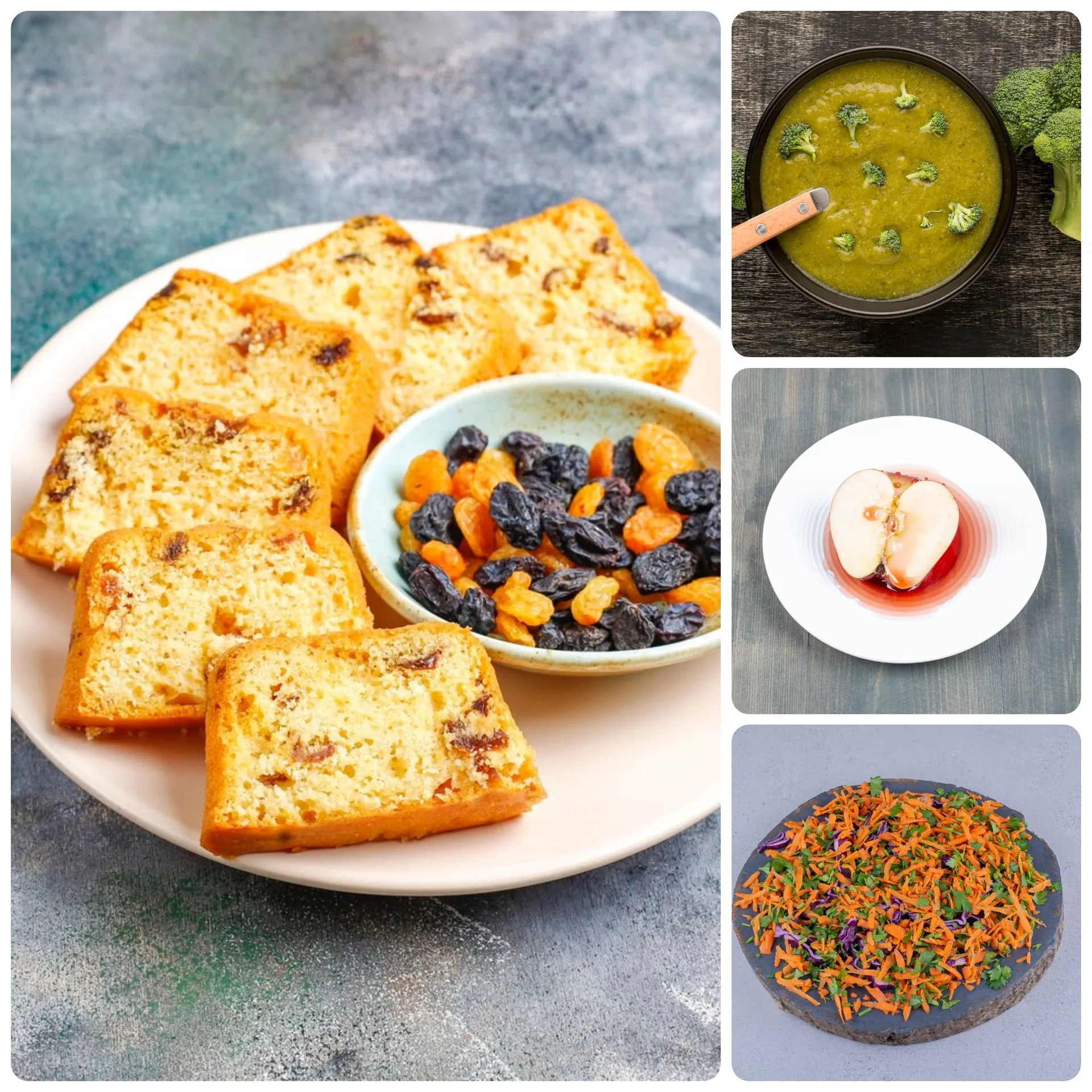
Food waste is a global issue with significant environmental and economic consequences. Mountains of perfectly edible food end up in landfills, contributing to greenhouse gas emissions and squandering valuable resources. But the good news is that we can all make a difference in our own kitchens. Embracing zero-waste cooking isn’t just trendy; it’s a practical and delicious way to reduce our environmental footprint and save money. These recipes are designed to help you transform scraps, leftovers, and often-discarded parts of fruits and vegetables into culinary masterpieces.
From Peel to Feast: Carrot Top Pesto
Don’t toss those vibrant carrot tops! They’re packed with flavor and nutrients. This pesto is a fantastic way to use them up and adds a zesty twist to pasta, sandwiches, or grilled vegetables.
Ingredients:
- Carrot tops (from one bunch of carrots)
- 1/4 cup olive oil
- 1/4 cup grated Parmesan cheese (optional, can be substituted with nutritional yeast for a vegan option)
- 2 cloves garlic
- 1/4 cup nuts (walnuts, pine nuts, or almonds work well)
- Salt and pepper to taste
Instructions:
- Wash the carrot tops thoroughly. Remove any tough stems.
- Combine all ingredients in a food processor or blender and pulse until smooth.
- Adjust seasoning to taste.
Breadwinner: Leftover Bread Pudding
Stale bread doesn’t have to go to waste. Turn it into a comforting and decadent bread pudding. This recipe is endlessly adaptable; you can add dried fruit, chocolate chips, or even a splash of your favorite liqueur.
Ingredients:
- 6 cups cubed stale bread
- 2 cups milk (dairy or non-dairy)
- 1/2 cup sugar
- 2 eggs
- 1 teaspoon vanilla extract
- Pinch of salt
- Optional: 1/2 cup dried fruit, chocolate chips, or nuts
Instructions:
- Preheat oven to 350°F (175°C).
- In a large bowl, whisk together milk, sugar, eggs, vanilla extract, and salt.
- Add the cubed bread and let it soak for at least 30 minutes.
- Stir in any desired additions.
- Pour the mixture into a greased baking dish.
- Bake for 45-50 minutes, or until golden brown and set.
Veggie Powerhouse: Broccoli Stem Soup
Broccoli stems are often discarded, but they’re incredibly nutritious and flavorful. This creamy soup utilizes the entire broccoli, minimizing waste and maximizing taste.
Ingredients:
- Broccoli stems (from one head of broccoli)
- 1 onion, chopped
- 2 cloves garlic, minced
- 4 cups vegetable broth
- 1/2 cup cream (dairy or non-dairy)
- Salt and pepper to taste
- Olive oil
Instructions:
- Chop the broccoli stems into smaller pieces.
- In a large pot, sauté the onion and garlic in olive oil until softened.
- Add the broccoli stems and vegetable broth. Bring to a boil, then reduce heat and simmer for 20-25 minutes, or until the stems are tender.
- Use an immersion blender to blend the soup until smooth.
- Stir in the cream and season with salt and pepper to taste.
Fruitful Endeavors: Apple Core Jelly
Don’t throw away apple cores and peels! They can be transformed into a delicious and pectin-rich jelly. This is a great way to use up leftover apple scraps from baking or juicing.
Ingredients:
- Apple cores and peels (from about 4-5 apples)
- 4 cups water
- 2 cups sugar
- 1/4 cup lemon juice
Instructions:
- Combine apple cores, peels, and water in a large pot. Bring to a boil, then reduce heat and simmer for about 30 minutes.
- Strain the liquid through a cheesecloth-lined sieve.
- Return the strained liquid to the pot. Add sugar and lemon juice.
- Bring to a boil and cook until the jelly reaches the desired consistency (about 15-20 minutes).
- Pour into sterilized jars and seal.
These are just a few examples of how you can embrace zero-waste cooking in your home. Get creative, experiment with different ingredients, and most importantly, have fun! By reducing food waste, you’re not only contributing to a healthier planet, but you’re also discovering new and delicious ways to enjoy your meals.
RECIPES
High-Protein Vegetarian Meals That Keep You Full
This article highlights that vegetarian diets can be packed with protein and keep you feeling full, it also highlights a few recipes.

For many, the idea of a vegetarian diet conjures up images of bland salads and energy-sapping meals. However, the reality is far from it. With careful planning, vegetarian meals can be incredibly flavorful, satisfying, and packed with protein to keep you feeling full and energized throughout the day.
The Importance of Protein in a Vegetarian Diet
Protein is essential for building and repairing tissues, producing enzymes and hormones, and supporting a healthy immune system. While animal sources like meat and dairy are often associated with protein, there are plenty of plant-based options that can provide ample amounts.
High-Protein Vegetarian Powerhouses
- Legumes: Lentils, chickpeas, beans (black beans, kidney beans, chickpeas) are excellent sources of protein, fiber, and complex carbohydrates.
- Meal Idea: Lentil soup with whole-grain bread.
- Tofu and Tempeh: These soy-based products are versatile and packed with protein.
- Meal Idea: Stir-fry with tofu, vegetables, and brown rice.
- Nuts and Seeds: Almonds, walnuts, chia seeds, and flaxseeds are great sources of protein, healthy fats, and fiber.
- Meal Idea: Trail mix with nuts, seeds, and dried fruit.
- Whole Grains: Quinoa, brown rice, and oats are not only good sources of carbohydrates but also contain a decent amount of protein.
- Meal Idea: Oatmeal with berries, nuts, and seeds.
- Vegetables: While not the primary protein source, many vegetables, such as broccoli, spinach, and asparagus, contain a good amount of protein.
- Meal Idea: Roasted vegetable medley with quinoa.
Tips for Creating High-Protein Vegetarian Meals
- Combine protein sources: Combining plant-based protein sources can help you get a complete protein profile. For example, pairing rice with beans provides all the essential amino acids.
- Add protein powder: Plant-based protein powders made from pea, soy, or brown rice can be easily added to smoothies, yogurt, or baked goods.
- Focus on whole foods: Choose whole, unprocessed foods over processed alternatives.
- Include healthy fats: Healthy fats, such as those found in avocados, nuts, and seeds, can help you feel full and satisfied.
- Don’t forget the fiber: High-fiber foods like legumes, whole grains, and vegetables will keep you feeling full and satisfied for longer.
Sample High-Protein Vegetarian Meal Plan
- Breakfast: Oatmeal with berries, nuts, and seeds, and a side of Greek yogurt.
- Lunch: Lentil soup with whole-grain bread and a side salad.
- Dinner: Stir-fry with tofu, brown rice, and plenty of vegetables.
- Snacks: Trail mix, a handful of almonds, or a smoothie with protein powder and fruit.
Conclusion
With a little creativity and planning, it’s easy to create delicious and satisfying high-protein vegetarian meals. By incorporating a variety of plant-based protein sources into your diet, you can ensure that you’re getting all the nutrients you need to thrive.

How to Use Holistic Practices to Reduce Stress
5 Easy Ways to Build a Naturaland Nourishing Kitchen

7 Ways to Create a Holistic Morning Routine

The Art of Slow Living:Embracing a Holistic Lifestyle

Natural Beauty: Why Less is More in Holistic Living
-
 HEALTH2 years ago
Tick Population Exploding In The US This Year – How To Protect Yourself From Lyme Disease
-
 HEALTH2 years ago
14 Easy Movements to Ease Shoulder Pain
-
 FITNESS2 years ago
4 of the Best Supplements for Weight Loss
-
 HEALTH2 years ago
The Sleep Deprived Brain…
-
 HEALTH2 years ago
How To Let Go Of Anger
-
 NUTRITION2 years ago
Cabbage Soup To Slim The Soul
-
 NUTRITION2 years ago
12 High Carb Foods That Are Surprisingly Healthy
-
 FITNESS2 years ago
10 Morning Rituals That Help Shed Pounds