
IMMUNITY
8 Things You Should Know Before Your Second Covid-19 Vaccination


We, and I say we as a collective global entity, have been battling COVID-19 for more than a year now.
I’m over it. You’re over it. America’s over it. The entire planet is over it.
And, with the vaccine now making its rounds throughout the globe, maybe we actually can be over it in the near future. That’s the hope at least, right?
But, this vaccine in particular is a little different than the others that folks have grown accustomed to over the years.
The flu shot for instance requires one injection, an annual thing for those who get it, whereas the Covid-19 vaccination requires two separate injections.
And, you likely don’t even know of the manufacturer of the flu vaccine that you receive annually. Yet, most people are becoming acquainted with the companies Pfizer and Moderna in light of the Covid-19 vaccination.
But, timeframe and manufacturers aren’t the only things to consider when it comes to getting this vaccine, especially if you’re gearing up for your second dose.
Whether you’ve received that first dose and are gearing up for the second or you’re trying to stay informed for when you are able or willing to receive the series of vaccinations when permitted, there are some very important pieces of information that you need to know before receiving this vaccination.
1- Don’t Stress Too Much Over Timing
By now I’m sure you’re familiar with the fact that there is a schedule to be followed regarding the amount of time between the first and second doses of the Covid-19 vaccine.
But, that schedule differs between manufacturers.
The Pfizer vaccine recommends the second dose to be given roughly 21 days after the first, and the Moderna vaccine recommends the second dose to be given 28 days after the first dose.
But, while it is not advisable to receive the second dose of either vaccine (Pfizer or Moderna) earlier than recommended if you must receive your second dose a little bit later than planned, don’t fret.
In other words, if you find yourself having to cancel your appointment for your second dose, as long as you receive it within 6 weeks of the first shot, you’ll be fine.
In the words of infectious disease specialist William Schaffner, “your immune system will work perfectly well if you take more time (between doses).”
2- Skip The Pain Meds Until Afterwards
Another bit of information that is all too familiar when it comes to almost any vaccination is that recipients of vaccines sometimes experience pain at the injection site.
So, if you received a side of pain with your first Covid-19 vaccine dose (or any other vaccine in your lifetime for that matter), you may be tempted to take some form of pain medication prior to your second dose to avoid experiencing such pain or discomfort.
One word in this regard: don’t.
The CDC advises vaccine recipients to avoid the use of pain medication unless otherwise directed by their doctor, until after the second dose has been administered.
Taking pain medication prior to receiving the shot in an attempt to avoid the possibility of pain may actually lessen the effectiveness of the vaccine.
After you receive your second dose of the vaccine, if you begin to experience side effects such as pain, fever, headache, or chills, it is okay to take an OTC pain reliever (such as Tylenol, acetaminophen, Advil, or Motrin).
If you’d prefer not to take pain medications, applying a clean, cold damp cloth can also reduce any pain and/or discomfort at the site of the injection.
3- Don’t Switch Manufacturers
Another common question surfacing amongst those looking to receive their second Covid-19 vaccination: Can I get the second dose of the vaccine from a different manufacturer?
Short answer: no!
While the CDC has allowed mixed doses in instances where a patient doesn’t know which vaccine they received for their first dose (Pfizer or Moderna), the fact remains that “the safety and efficacy of a mixed-product series have not been evaluated.” (per the CDC)
Basically, switching manufacturers for your second dose may prove unsafe, and it may mean that you will not be protected from Covid-19 as well, despite having received two doses of the vaccine.
4- Avoid Other Vaccinations In Between Covid-19 Vaccine Doses
Especially during these winter months, while other vaccines are routinely offered (such as the flu shot, shingles shot, or even a scheduled Tdap vaccine unrelated to the season), it is important to note that the CDC advises against receiving other such vaccines before and after both Covid-19 vaccine doses.
Specifically, individuals are recommended to avoid other immunizations for a minimum of 14 days before and after both Covid-19 vaccine doses.
This guidance is largely due to the fact that the safety and effectiveness of receiving other immunizations within this timeframe haven’t been studied.
It is also generally wise to isolate immunizations so that any adverse reactions can be attributed to the proper cause.
5- If You Had A Rash With The First Shot, This Isn’t A Cause To Skip The Second Shot
Between 3-10 days after receiving the first dose of the Covid-19 vaccination (from both manufacturers) some people may have experienced a rash at the site of injection.
If you did receive such a rash, the CDC still advises receiving the second dose of the vaccine, though their recommendation is to get the second dose in the opposite arm.
Over-the-counter antihistamines such as Benadryl are considered effective treatment for mild allergic reactions (such as these rashes) according to doctors.
6- Stronger Side Effects For The Second Shot
It is important to note that the second dose of the Covid-19 vaccine carries with it a greater tendency for intensified side effects.
There are many people who report having little to no side effects accompanying their first dose of the vaccine. However, these same individuals reported instances of fever, aches, and chills, along with muscle and joint pain after the second dose.
One infectious disease doctor explains this occurrence as an “indication of a vigorous immune system response.”
7- Immunity Takes Time
You shouldn’t expect to be fully immune to Covid-19 immediately following your second dose of the vaccine.
Experts suggest that it takes your body at least 2 weeks after the second dose of the vaccine to build up full immunity from the virus.
But, it’s not until 3 full months after the second dose of the vaccine that the CDC states fully vaccinated individuals who aren’t exhibiting any symptoms “no longer have to quarantine if exposed to someone with COVID-19.”
8- Vaccination Won’t End Mask Usage
As there is said to still be a slight chance that you could get COVID-19, even after vaccination, the CDC recommendations of mask usage and social distancing will continue.
In fact, at this time, there is no prospect of when such recommendations will end as even the experts cannot agree on whether vaccinated individuals will be able to safely resume normalcy in society.
Therefore, until immunity is reached amongst a large percentage of the population, mask usage must continue “to stop the spread of the virus.”
Recap
If you have received your first dose of the Covid-19 vaccine, before your second dose, remember:
- The second dose of the Pfizer vaccine is recommended to be administered 21 days after the first dose. And, the second dose of the Moderna vaccine is recommended to be administered 28 days after the first dose. However, as long as your second dose is received within 6 weeks of the first dose, you’ll be fine.
- Avoid the use of pain medication, unless otherwise directed by your doctor, until after the second dose has been administered (in other words, don’t take pain meds prior to receiving the second shot just to avoid pain).
- Stick with the same manufacturer for your second dose.
- Avoid other immunizations for a minimum of 14 days before and after both Covid-19 vaccine doses.
- If you received a mild rash from the first dose, you should still receive the second dose (albeit in the opposite arm).
- Side effects are more common after the second dose (fever, aches, chills, muscle and joint pain).
- You won’t become immune to Covid-19 immediately following your second vaccine dose.
- Mask usage and social distancing are still recommended even after receiving the second dose of the vaccine.
3 Free Bottles Of Moringa For You
If you suffer from throbbing knees, hip pain, or swollen fingers…
Elevated cholesterol or blood sugar…
Or even a foggy head…
Then the “Miracle Tree” could be the healing wonder you’ve been searching for.
It’s called Moringa oleifera and it’s a large tree native to North India.
It also goes by a few other names like drumstick tree, horseradish tree or ben oil tree.
And the cool thing about it is that almost ALL parts of the tree are edible.
So they’re often used as ingredients or in traditional herbal medicines.
The reason I’m telling you all this is because in my opinion…
Moringa is one of the healthiest plants on the planet and up until recently it was almost impossible to get.
And in just a second, I’m going to show you how you can get some for yourself.
But first, let me tell you why you’d want to get your hands on your own supply of Moringa.
Here are just a few of its proven benefits:
- Moringa has been shown to lower blood sugar – One study with 30 women showed that taking moringa every day for three months reduced fasting blood sugar levels by 13.5%, on average.
- Moringa helps lower cholesterol – several studies have shown that taking moringa has a positive effect on total cholesterol.
- Moringa contains anti-aging and anti-cancer properties – A 2017 study published in the Asian Pacific Journal of Cancer Prevention found the extract from moringa leaves acts as an anti-cancer agent that reduces cancer cell growth and promotes cell death in several cancers.
- The moringa tree also contains over 40 antioxidants, 90 nutrients, and 40 anti-inflammatory agents which help to prevent damage to skin cells and help slow the aging process
And that’s just for starters…
Moringa also helps to reduce joint and muscle pain, improves nerve health, aids in digestion and it even improves kidney function.
I’d go as far as to say, Moringa is one of the most versatile plants in existence and something everyone can benefit from.
That’s why I’m so excited that we have this incredible supplement back in stock, so you can try it for yourself.
And even better, I was able to secure a large supply of Moringa and get it at a HUGE discount.
And like always…
I’m passing on the savings to you.
>> Claim your 3 FREE bottles of Moringa now!
I fully expect this to sell out completely. So you’d better hurry.
You’ll be amazed at what this power plant can do for you!
References:
- https://www.aarp.org/health/conditions-treatments/info-2021/what-to-know-before-second-vaccine-dose.html
- https://www.goodrx.com/blog/what-to-know-before-getting-second-covid-19-vaccine/
- https://www.mskcc.org/coronavirus/what-you-should-know-about-second-dose-covid-19-vaccine
- https://www.cdc.gov/vaccines/covid-19/info-by-product/clinical-considerations.html
[ad_1]
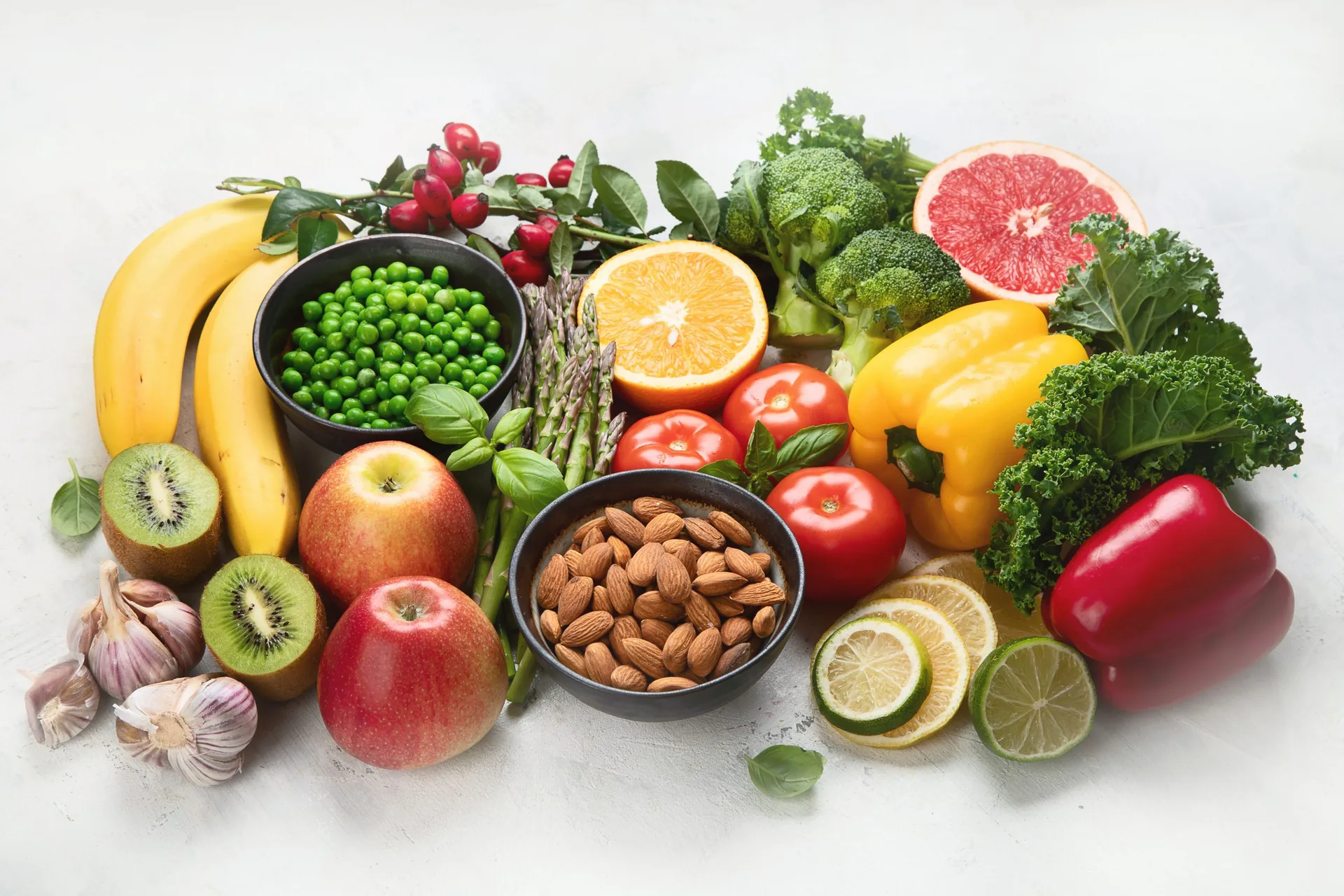
In today’s fast-paced world, it’s more important than ever to prioritize our health and well-being. One key component of a healthy lifestyle is a strong immune system. With the ongoing pandemic and other health concerns, it’s crucial to keep our immune systems in top shape. One of the best ways to do this is by incorporating immune-boosting foods into our diets.
Here are the top 10 immune-boosting foods to add to your diet:
1. Citrus fruits: Citrus fruits like oranges, lemons, and grapefruits are high in vitamin C, which is known to help boost the immune system.
2. Red bell peppers: Red bell peppers are another great source of vitamin C, in fact, they contain more vitamin C than citrus fruits.
3. Broccoli: Broccoli is packed with vitamins and minerals, including vitamins A, C, and E, as well as many antioxidants.
4. Garlic: Garlic has been used for centuries for its immune-boosting properties. It contains compounds that can help lower blood pressure and improve cholesterol levels.
5. Ginger: Ginger has anti-inflammatory and anti-oxidative properties, making it a great addition to your diet for a healthy immune system.
6. Spinach: Spinach is high in vitamin C and full of antioxidants, making it one of the best vegetables to include in your diet for immune support.
7. Yogurt: Yogurt is a great source of probiotics, which are beneficial for gut health. A healthy gut is essential for a strong immune system.
8. Almonds: Almonds are a good source of vitamin E, which is important for maintaining a healthy immune system.
9. Turmeric: Turmeric contains curcumin, which has anti-inflammatory and antioxidant properties that can help boost the immune system.
10. Green tea: Green tea is rich in antioxidants, particularly catechins, which have been shown to enhance immune function.
In addition to incorporating these immune-boosting foods into your diet, it’s also important to maintain a healthy lifestyle, get enough sleep, exercise regularly, and manage stress. Eating a well-balanced diet that includes a variety of immune-boosting foods is a great way to support your immune system and stay healthy. By making these simple changes to your diet, you can help ensure that your body is better equipped to fight off illness and infection. So, start adding these foods to your diet today and enjoy a stronger and healthier immune system.
[ad_2]
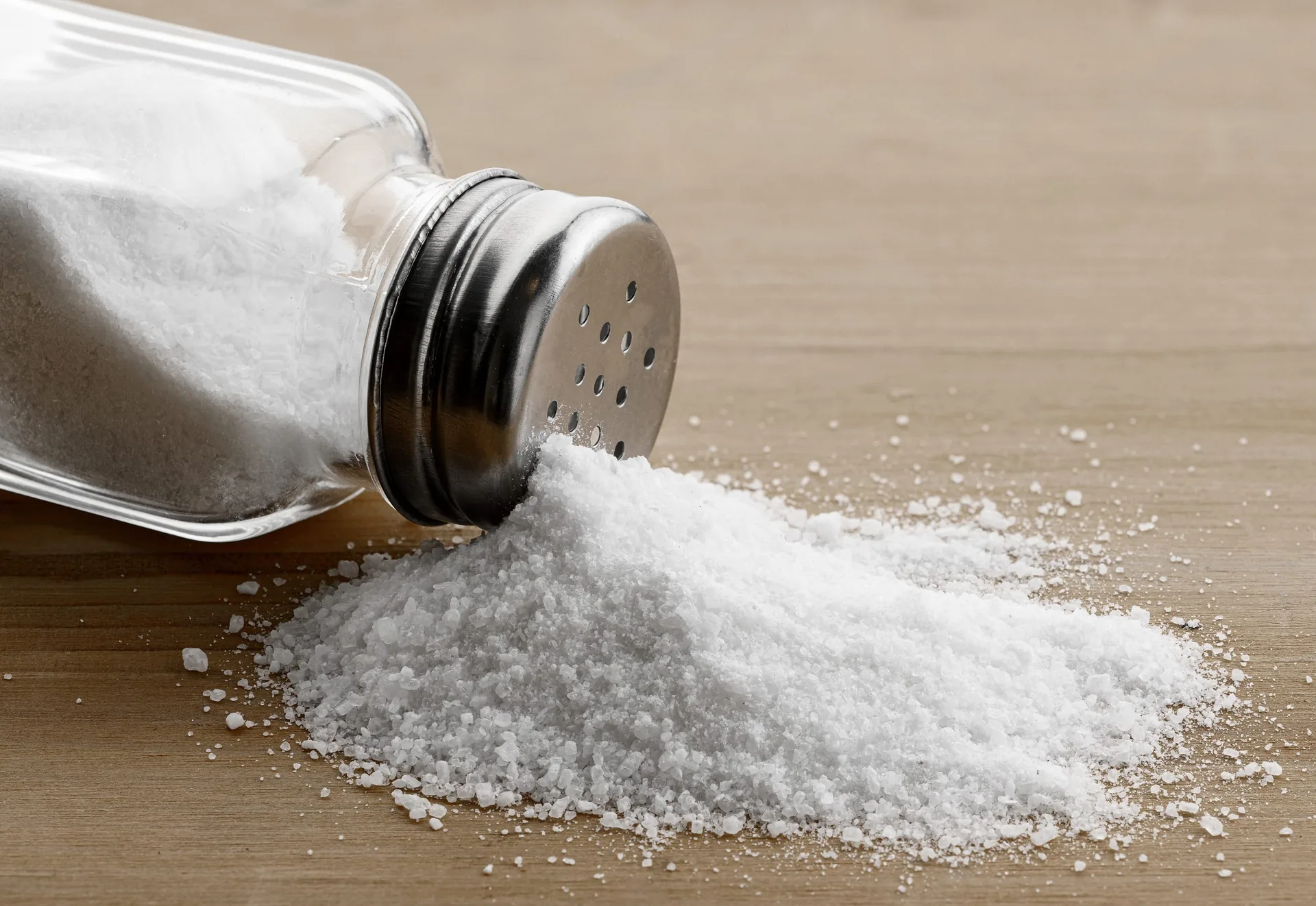
To salt or not to salt, that is the real question!
Salt has been demonized for some time, with physicians, dieticians, and many more waving their banners high: “beware the Ides of…” salt.
And, in sticking with the meaning behind that slight nod to the Ides of March there, which signifies an impending betrayal, it is for a similar reason that many preach warnings in regards to salt.
Your body needs salt, but too much salt is thought to cause a betrayal to its intended purposes and well, I’m sure you’ve heard of the doom that follows: high blood pressure, heart disease, stroke, etc.
But, could it be that so much effort has been made towards such warnings that we’ve forgotten the good, and essential, purposes of salt in regards to our bodies…to our health?
Perhaps we need to spend a few moments here reexamining this important mineral.
Is salt bad? Is it good?
Should we eat it or refrain?
What is salt’s intended purpose in regards to our health (as opposed to the hindrance of health)?
Salt 101
Let’s get things straight right from the start here, salt is essential.
This mineral has been demonized in regards to heart health on such a grand scale that it seems we’ve begun to undermine the necessity of it entirely.
But, there’s not really any other way to cut it: your body needs salt to function!
Your body must have sodium to balance fluid. It is needed for your nerves and muscles to function in a healthy manner. And, it helps your body to appropriately absorb needed nutrients.
If you were to cut salt out of your diet completely, you wouldn’t survive.
And, when it comes to salt, as I’m sure you’re aware, there are many kinds.

- There’s common table salt, which is generally mined and has other minerals added to it such as iodine, iron, and folic acid.
- Sea salt is a type of salt that is produced by evaporating water from the ocean or saltwater lakes. This type of salt (most any variety of sea salt, really) is not as processed as table salt, so it contains trace minerals that serve to add flavor, color, and potential health benefits due to these other minerals present.
- Celtic sea salt is another type of salt, though perhaps a bit controversial. It is typically unrefined and hand harvested. And, while it does contain other minerals, even trace amounts of iodine, some believe it to also contain trace amounts of lead.
- Pink Himalayan salt is yet another option. It is mined near the Himalayan mountains, and as suggested by its name, it has a pink hue.
Pink Himalayan salt is considered a healthier alternative to table salt as it contains less sodium while also being made up of numerous needed minerals such as iron, calcium, potassium, zinc, and manganese.
And, salt is present in far more foods than many of us realize. It’s not just sprinkled on top of food, you know?
Sodium is present in most processed foods (in high amounts), and it is used in making pastas, breads, dairy products, and even sweets! Yes, desserts contain salt as well.
And, it can be true that too much salt, rather too much sodium, can potentially be detrimental to your health, depending on your circumstances.
Too much sodium is thought to increase the risk of some stomach cancers and high blood pressure which contributes to heart disease, and it is likely due to these risks that the American Heart Association recommends that people cut their sodium intake to less than 1,500 mg daily.
But, other studies show a detriment in tipping the sodium scale in the opposite direction.
A 2014 study in the New England Journal Of Medicine found that those individuals who consumed less than 3,000 mg of sodium daily actually increased their risk of not only heart disease but premature death as well.
In other words, perhaps too much salt isn’t great for our health, but too little salt seems to raise an equal amount of concern!
Salt, in and of itself, stands to bring much benefit to the body in the right circumstances.
Below we’ll detail some of those circumstances, highlighting some great reasons to include salt as part of a healthy diet!
Reasons Why You Should Eat More Salt
1- Survival

We’ll start here with a more indepth look at the ways that not consuming enough salt can be detrimental to your health.
We labored the fact that salt is essential for your body to function properly in the above section, but exactly what are you putting your body at risk of if/when you’re deficient in this mineral.
When you don’t get enough salt, you are at risk of:
- Dehydration
- Headaches
- Weakness
- Cognitive decline
- Heart attack
- Irritability
- Low blood pressure
- Low blood sodium
- High cholesterol and triglycerides
- Muscle cramps
- Sensitivity to heat (incapable of withstanding heat most notably when exerting yourself)
- Water retention in both kidneys and sweat glands
2- Sex And Fertility
Too much sodium is often listed as a culprit in the case of a killed libido.
However, here we are again with the pesky issue of balance.
It turns out that too little salt can actually crush your desire for sex!
Sodium deficiencies can lead to an imbalance of nutrients in the body, and this can affect us hormonally as well, here potentially decreasing sperm count and affecting fertility.
An experiment done in the late 1990’s found men who lowered their sodium intake complained of erectile dysfunction.
A study done in mice found a correlation between increased sperm count and a high sodium diet.
And, low sodium diets have been known to cause women not to ovulate.
One then has to wonder about the following being a valid analysis (or even hypothesis) – reproductive hormones and processes are hindered from a lack of sodium, so the body sees the lack of reproduction capability as a signal to decrease the desire for sex (procreation).
3- Stress Management

Some studies found that rats, when in the midst of stressful situations, prefer salty water to unsalted water.
These findings support the notion that salt helps to rid the body of cortisol, a hormone that increases within the body in instances of stress.
When there are high levels of cortisol in the body you can experience greater instances of stress, fatigue, weight grain, high blood pressure, irritability and even depression and anxiety.
Increasing salt intake can potentially help to decrease cortisol levels, aiding your body in needful and appropriate responses to stress.
In fact, this link has caused some to wonder if this is why the desire for salty foods increases when stressed.
Unfortunately, when stressed most people don’t simply add a teaspoon or so of a healthy salt to increase their daily sodium levels, but rather binge on processed junk foods containing excessive amounts of sodium.
So, the next time you’re feeling overburdened by stress, try adding just a bit more healthy salt to your dinner or even seek to snack on a measured portion of heart healthy nuts as opposed to opting for frozen pizzas, chips, or an extra large order of salty fast food french fries.
4- Dehydration, Muscle Cramps, And Athletic Performance

Whether you’re an athlete or not, your body needs a sufficient amount of electrolytes, and salt (particularly sea salt) is a great source of electrolytes.
But for athletes, it’s important to remember that as you workout, you sweat. And, as you sweat, you lose salt.
If you fail to replenish that salt, causing an imbalance in electrolytes within the body, you could suffer greatly, increasing your risk of seizures, coma, or heart attack.
If you drink a lot of water without consuming enough salt, you can experience what is known as hyponatremia, causing dizziness, weakness, confusion, even death.
The electrolytes in sea salt can also stave off muscle cramps. And, the potassium and sodium work together to balance the amount of water in your body, keeping you from getting dehydrated.
5- Improved Sleep

While sodium-rich processed foods and table salt can hinder sleep quality, the electrolyte content of sea salt has been shown to improve sleep.
This is due to the fact that electrolytes (those found in sea salt) are thought to balance hormones which play a huge role in sleep quality.
Just remember to get your salt from healthy sources as table salt and processed foods can cause sodium imbalances within the body (thus hindering sleep quality as mentioned above).
6- Clean Diet
How could there be anything detrimental to eating a clean, healthy diet?
Technically, there’s only good to be gained by eating healthy, nutritious foods.
But, when eating clean, you could be consuming far too little sodium.
I mean, obviously there’s not much sodium to consume when eating fresh fruits and vegetables, whole grains and lean meats.
So, be sure to use sea salt (such as Pink Himalayan sea salt) to add sodium and other essential minerals to your food or drinks to avoid consuming too little salt.
The 40 year-old “Salt Lie” Before you sprinkle ANYMORE salt, you have to read this… USE WITH CAUTION
You’ve heard how salt is “bad for you”.
In fact, the USDA says it’s worse than fats, sugar… And even alcohol!
But what if you found out it wasn’t based on any scientific proof?
Click Here <–Uncover the “Salt Lie”
What’s all this about?
Well, my good friend John Cawrse recently uncovered some “unsettling” facts about salt after working with some salineros (salt farmers) in Colima, Mexico.
We’ve all heard that salt is “bad for you”. We’ve also heard how “sea salt” is good for you. And how a “low-salt-diet” can prevent heart disease.
But are any of these “facts” true?
Here’s the surprising thing. They’re all FALSE! Before you sprinkle ANY salt on your next meal, you have to read this…
Click Here <–The Truth About Salt
P.S. Did you know most table salt has additives in it?
P.P.S This is the only salt I allow in my kitchen.
Find out here…
Click Here <–Claim a Bag of Healthy Sea Salt for just a PENNY plus shipping
IMMUNITY
How to Recover and Rebuild Your Immune System After an Illness
While recovering, focus on a nutrient-rich diet with plenty of fruits, vegetables, lean protein, whole grains, and healthy fats.

Feeling drained and vulnerable after a bout of illness? It’s completely normal. Your immune system has been working overtime to fight off those nasty invaders, and now it needs some TLC to get back in top shape. Think of it as a superhero needing a recharge after a big battle.
This article will guide you through the essential steps to recover and rebuild your immune system, so you can bounce back stronger and more resilient.
Nourishing Your Body from Within
The Power of a Balanced Diet
Think of food as the fuel your immune system needs to rebuild and recharge. Focus on a diet rich in:
- Fruits and Vegetables: These colorful powerhouses are packed with vitamins, minerals, and antioxidants that support immune function. Aim for a rainbow of colors – berries, leafy greens, citrus fruits, and vibrant vegetables.
- Lean Protein: Protein is essential for building and repairing tissues, including those crucial for immune responses. Choose lean sources like chicken, fish, beans, and lentils.
- Whole Grains: Opt for whole wheat bread, brown rice, and quinoa to provide sustained energy and fiber, which supports a healthy gut microbiome – a key player in immunity.
- Healthy Fats: Incorporate sources like avocados, nuts, seeds, and olive oil to support cell function and nutrient absorption.
Hydration is Key
Water is essential for all bodily functions, including immune responses. When you’re dehydrated, your immune system can’t function optimally. Aim for at least 8 glasses of water a day, and even more if you’re recovering from an illness.
Gut Health Matters
A significant portion of your immune system resides in your gut. To support a healthy gut microbiome:
- Include Probiotics: Consume yogurt with live cultures, kefir, or fermented foods like sauerkraut and kimchi.
- Eat Prebiotic Foods: These nourish the good bacteria in your gut. Find them in foods like onions, garlic, bananas, and asparagus.
Lifestyle Habits that Boost Immunity
Prioritize Sleep
Sleep is when your body repairs and recharges itself. During sleep, your immune system produces cytokines, which help fight inflammation and infection. Aim for 7-9 hours of quality sleep each night.
Manage Stress
Chronic stress weakens the immune system. Find healthy ways to manage stress, such as:
- Exercise: Physical activity releases endorphins, which have mood-boosting and stress-reducing effects.
- Mindfulness and Meditation: These practices can help calm the mind and reduce stress levels.
- Spending Time in Nature: Connecting with nature has been shown to have stress-reducing and immune-boosting benefits.
Regular Exercise
Moderate exercise can strengthen your immune system by increasing the circulation of immune cells. Aim for at least 30 minutes of moderate-intensity exercise most days of the week.
Supplements: A Supporting Role
While a healthy diet should be your primary source of nutrients, certain supplements may offer additional support:
- Vitamin C: This well-known immune booster can help reduce the duration and severity of colds.
- Vitamin D: Many people are deficient in vitamin D, which plays a crucial role in immune function.
- Zinc: This mineral is essential for immune cell development and function.
Note: Always consult with your doctor before starting any new supplements, especially if you have any underlying health conditions or are taking medications.
Patience is Key
Recovering from an illness and rebuilding your immune system takes time. Be patient with yourself and don’t expect to feel 100% overnight. Focus on making gradual changes to your diet and lifestyle, and celebrate small victories along the way.
When to Seek Medical Advice
While these tips can help you support your immune system, it’s important to seek medical advice if you experience any of the following:
- Persistent or worsening symptoms: If your symptoms don’t improve or get worse, it’s essential to consult a doctor to rule out any underlying conditions.
- Frequent infections: If you find yourself getting sick frequently, it may be a sign of a weakened immune system that requires medical attention.
- Concerns about your immune health: If you have any concerns about your immune health, don’t hesitate to talk to your doctor.
By following these tips and prioritizing your overall well-being, you can effectively recover from illness and rebuild a strong and resilient immune system. Remember, your immune system is a powerful ally in your quest for health and wellness.

How to Use Holistic Practices to Reduce Stress
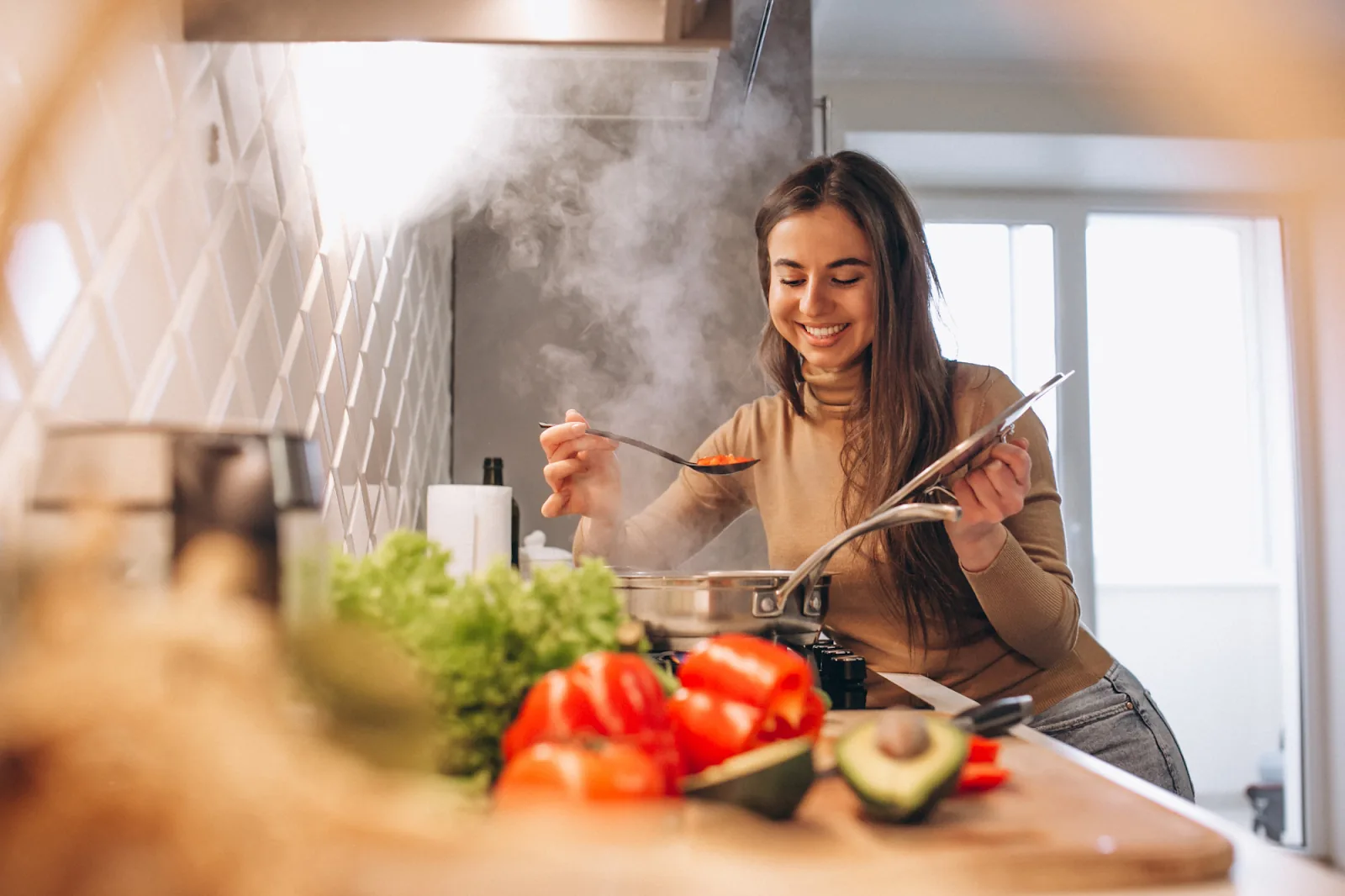
5 Easy Ways to Build a Naturaland Nourishing Kitchen

7 Ways to Create a Holistic Morning Routine

The Art of Slow Living:Embracing a Holistic Lifestyle

Natural Beauty: Why Less is More in Holistic Living
-
 HEALTH2 years ago
Tick Population Exploding In The US This Year – How To Protect Yourself From Lyme Disease
-
 HEALTH2 years ago
14 Easy Movements to Ease Shoulder Pain
-
 FITNESS2 years ago
4 of the Best Supplements for Weight Loss
-
 HEALTH2 years ago
The Sleep Deprived Brain…
-
 HEALTH2 years ago
How To Let Go Of Anger
-
 NUTRITION2 years ago
Cabbage Soup To Slim The Soul
-
 NUTRITION2 years ago
12 High Carb Foods That Are Surprisingly Healthy
-
 FITNESS2 years ago
10 Morning Rituals That Help Shed Pounds