NEWS
10 Tinnitus Remedies That May Provide Relief

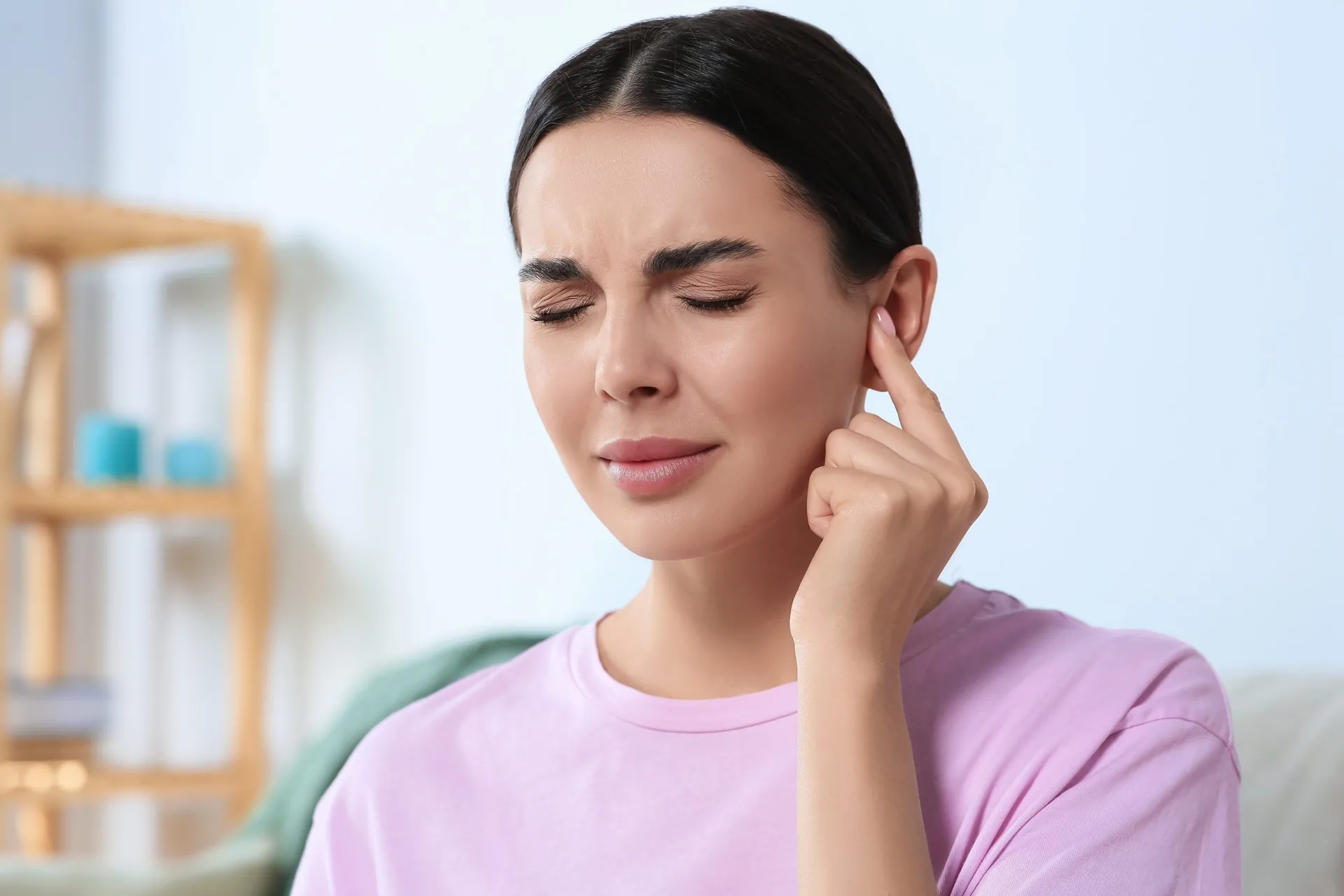
Do you hear that? …that ringing? …that continual ringing? (or buzzing, humming, pulsing, etc noise)
If you’ve experienced a ringing in your ears, then the following list of troubles may be just as common for you:
Fatigue. Stress. Trouble Sleeping. Difficulty concentrating. Anxiety. Headaches. Depression.
Tinnitus, often characterized by a ringing in the ears, is experienced by at least 15-20% of adults. And, as we’ve just seen, a ringing in the ears is often only the start of the trouble it can cause.
So then, what spells relief for tinnitus?
While there’s no known cure for tinnitus, there are effective ways to manage the symptoms!
Read on to find ten effective ways to find relief for the ringing…
What Is Tinnitus?
Tinnitus is a symptom of trouble occurring within your auditory system.
Made up of specific parts of your brain and your middle, inner, and outer ear, your auditory system processes both how you hear and understand sounds.
Tinnitus is characterized by a regular, or constant, sound heard even though no external sound is present.
These constant or regular sounds are often described as ringing, hissing, buzzing, whistling, or humming. And, in more severe instances, some people can hear louder, more profound sounds such as breaking glass or running machinery.
Tinnitus can be experienced in one ear, or both simultaneously. And, it can be constant or even temporary.
Most people who suffer from such symptoms experience what is known as subjective tinnitus, where the sufferer alone can hear these sounds. However, in roughly 5% of cases, objective tinnitus occurs, where a physician can also hear the pulsing sounds heard by the patient.
In the case of objective tinnitus, blood vessel complications or even muscle contractions can be the cause of the pulsing sounds that are heard.
But, in the cases of the more common subjective tinnitus, let’s address the elephant in the room…or rather, the ear…
Why do people experience tinnitus?
We mentioned that tinnitus is a symptom rather than a condition or disease itself, but what does this mean for sufferers?
If you’re experiencing tinnitus, those plaguing sounds in your ear(s), are likely due to damage incurred to your auditory system.
Such damage can be gradual or immediate, and is often caused by one or more of the following:
- head and/or neck injuries
- age-related hearing loss
- sudden or constant exposure to loud noises
- fluid in the ear
- wax buildup in the ear
- high blood pressure
- tumors in the ear or on the auditory nerve
- certain medications (including antibiotics)
- medication taken in large doses (such as aspirin)
- ear/nose/throat infections
Tinnitus symptoms can be exacerbated by depression, high levels of stress, a lack of sleep, and illness.
Some people even experience greater symptoms when they consume too much caffeine or alcohol.
While there is presently no cure known to work for all those dealing with tinnitus, there have studies that have yielded promising results that may lead to a breakthrough in the future. Thankfully, there are some things you can do right now to manage the perception of the sounds heard, lessen the symptoms, and find relief to improve your quality of life while experiencing tinnitus.
How To Get Relief From Tinnitus?
Most people have found they can experience relief from tinnitus. And, this relief can be found from a wide range of sources, from simple lifestyle changes to more involved measures.
Here we’ll list the most common and effective tinnitus remedies that have provided relief for many sufferers.
Exercise
The fact that exercise can improve health isn’t new information, but can it really improve something like tinnitus?
Actually, yes!
Stress, lack of sleep, anxiety, and illness can all contribute to worsening tinnitus symptoms. And, worsening tinnitus can contribute to stress, anxiety, sleeplessness, and then illness. So, exercise can help relieve tinnitus in multiple ways.
Exercise improves your immune responses (helping to fight illness). It is a proven method of stress relief. And, exercise can even improve sleep quality. Improvements in each of these areas can lessen tinnitus severity.
Dietary Changes
Some people have found tinnitus triggers within their diet.
For instance, sodium has been found to contribute to instances of tinnitus. So, lowering salt intake has been known to reduce tinnitus, and this has also proven effective at lowering blood pressure, especially helpful in those tinnitus sufferers whose condition stems from hypertension.
And, as instances of tinnitus were found to increase in individuals consuming foods with high levels of iron, calcium, and fat, controlling consumed amounts of these minerals and nutrients may help to reduce symptoms as well.
Meditation and Stress Reduction
Mindful meditation and mindful breathing practices are effective ways to relieve stress and thereby lessen the intensity of tinnitus.
As tinnitus can bring about much stress, practicing effective ways to reduce stress can go a long way in your efforts to find relief in dealing with symptoms.
Besides reducing overall stress, these methods can help you to focus your mind on things other than the symptoms of tinnitus.
Acupuncture
While acupuncture is often skipped over, not being seen as a conventional or traditional method of treatment, tinnitus sufferers have found great relief with this practice.
Acupuncture can decrease inflammation and improve blood circulation, making this method of relief especially effective for those suffering from tinnitus symptoms due to high blood pressure or a head or neck injury.
And, studies have shown acupuncture can reduce the intensity at which tinnitus symptoms are experienced.
Hearing Aids
If your tinnitus symptoms are a result of hearing loss, hearing aids can provide relief.
As you lose your ability to hear, your brain begins to change the way it processes sounds. In this process, you can experience ringing, buzzing, or humming sounds…or tinnitus.
As the use of hearing aids can improve hearing, tinnitus symptoms can lessen.
Sound Machines
Sound machines and sound-masking devices offer effective tinnitus relief as they provide external noise, usually pleasant or warm sounds, that can essentially “drown out” the sounds heard internally.
These machines are often devices you can place on a table or nearby stand but also come in sizes small enough to fit in the ear (electronic devices made to be worn in the ear).
Studies have shown that white or pink noises were most effective at masking tinnitus sounds.
Behavioral Therapy
Working with a behavioral or cognitive therapist or counselor has also proven to be effective at dealing with the effects of tinnitus.
Those who have dealt with tinnitus over long periods of time can experience high levels of stress, and behavioral therapy has proven helpful in teaching sufferers to live with and even cope with this condition.
Medication
While there isn’t a known medication to specifically treat tinnitus, some antidepressants or anti-anxiety medications have been known to improve the quality of life for tinnitus sufferers by making the sounds less intrusive on daily life.
Supplements
Many vitamins and minerals are effective at both treating and offering relief for a wide range of symptoms and conditions, including tinnitus. The most common supplements used as a relief for tinnitus are zinc, ginkgo biloba, and magnesium (their effectiveness detailed below).
Zinc- Some studies have shown those experiencing tinnitus to be deficient in zinc. In such studies, both the severity and loudness of tinnitus was greater in those individuals with low levels of zinc.
Zinc is also known to improve nerve transmission within auditory pathways, and as we’ve seen earlier here, improvements in hearing have often lessened the instances and severity of tinnitus.
Ginkgo Biloba- This herb is most noted for its ability to stimulate circulation. For those experiencing tinnitus due to poor blood circulation or even hypertension, ginkgo biloba may offer relief.
Magnesium- Studies have shown magnesium to decrease the severity of symptoms of tinnitus. This mineral is often associated with ear health as it has been found to protect the inner ear from damage caused by loud noises, as it works to block damage to cells within the ear from free radical molecules (experienced in instances of loud noise).
Say No To Alcohol, Tobacco, And Caffeine
Alcohol, nicotine, and caffeine can all hinder blood flow, a known contributor to tinnitus. And, regular consumption of each of these is known to increase blood pressure, another contributing factor to tinnitus.
Limiting or avoiding these substances can not only improve your overall health, but may also provide relief for tinnitus.
**If you are newly experiencing symptoms, your tinnitus has increased or become persistent, or if you find that your tinnitus symptoms are interfering with your ability to sleep, work, or enjoy your life (to the point of causing depressive symptoms), please see your doctor.
Upon a routine hearing examination, a physician can refer you to a specialist if warranted.
References:
- https://www.ncbi.nlm.nih.gov/books/NBK532311/#
- https://www.healthline.com/health/tinnitus-remedies
- https://www.healthylifeandmagazine.com/what-are-tinnitus-causes-and-remedies/html
- https://www.verywellhealth.com/natural-remedies-for-tinnitus-89317
- https://www.merakilane.com/ringing-ears-6-natural-tinnitus-remedies-that-actually-work/
- https://www.trihealth.com/dailyhealthwire/health-topics/orthopedics/acupuncture-treatment-for-tinnitus
- https://www.miracle-ear.com/blog-news/vitamins-for-ear-health
- https://journals.lww.com/ear-hearing/fulltext/2020/03000/relationship_between_diet,_tinnitus,_and_hearing.8.aspx#
- https://www.mayoclinic.org/diseases-conditions/tinnitus/symptoms-causes/syc-20350156


NEWS
The Truth About Red 3: Why It’s Finally Being Pulled Off Your Plate
FD&C Red No. 3, also known as erythrosine or E127, has been widely used in foods, pharmaceuticals, and cosmetics since FDA approval in 1969.

United States: Known in scientific and regulatory circles as FD&C Red No 3, erythrosine, or E127, this synthetic dye has pervaded industries ranging from gastronomy to pharmaceuticals since its approval by the FDA in 1969.
This additive’s ubiquity is astonishing, coloring an array of familiar consumables—candies, beverages, baked goods, cereals, maraschino cherries, and gelatinous desserts—alongside medications, syrups, and cosmetics.
However, intensifying scientific inquiry has spotlighted alarming health implications tied to Red 3. This growing body of evidence has spurred California to enact a prohibition on its inclusion in edibles as of 2023, with the FDA implementing a comprehensive nationwide ban for foods and pharmaceuticals starting January 15, 2025, according to The Conversation.
The Alarming Toll of Red 3
As a specialist delving into the interplay between inflammation and oncogenesis, I scrutinize the ramifications of synthetic dyes on human well-being. The tightening regulatory landscape underscores an urgent acknowledgment of the physiological harm wrought by Red 3, particularly its suspected carcinogenicity.
Documented Health Hazards
Over decades, mounting data has elucidated Red 3’s adverse effects. While a direct causal relationship with cancer in humans remains elusive, robust animal studies unveil its malignant potential, as per The Conversation.
- Thyroid Dysregulation
Red 3 impedes the thyroid glands iodine absorption—an indispensable element for thyroid hormone synthesis—and obstructs critical enzymatic pathways required for hormonal conversion. These disruptions compound to precipitate thyroid dysfunction and elevate the risk of associated maladies. - Tumor Genesis
Animal research, particularly in rodents and swine, links Red 3 to thyroid glandular tumors and hormone regulation abnormalities, further corroborating its potential to incite carcinogenesis. - Neurotoxicity
The dye also exhibits neurotoxic tendencies. Rodent models reveal that Red 3 exacerbates oxidative stress, which inflicts tissue damage and depletes antioxidative defenses, impairing neuronal communication. Additional findings associate it with neuroinflammation, neuronal degradation, and interactions with amyloid-beta peptides—factors implicated in neurodegenerative disorders like Alzheimer’s disease.
Momentum in Regulation
Scrutiny of Red 3 dates back to the 1980s, when studies first implicated it in thyroid tumor development among male rats. This evidence prompted its exclusion from cosmetics in 1990. However, its persistence in food products highlighted the sway of industrial interests over public health imperatives. Although the European Union restricted its use to select processed cherries in 1994, the United States lagged significantly, according to The Conversation.
California reignited the discourse in 2023 with a legislative ban on Red 3 in consumables, effective by 2027. This catalyzed advocacy efforts from 24 organizations, culminating in the FDA’s decisive action in January 2025. Despite the absence of direct human carcinogenic evidence, animal studies provided ample grounds for regulatory intervention under the Delaney Clause of the Federal Food, Drug, and Cosmetic Act, which prohibits additives linked to cancer in humans or animals.
Charting a Safer Future
The trajectory from Red 3’s authorization to its prohibition underscores the tension between commercial interests and safeguarding public welfare. The FDA’s mandate compels manufacturers to excise Red 3 from foodstuffs by 2027 and from pharmaceuticals by 2028, ensuring adherence to enhanced safety norms, according to The Conversation.
Meanwhile, multinational companies have preemptively embraced change. Mars pledged in 2016 to eradicate synthetic dyes from its human food lines, while General Mills committed in 2024 to exclude artificial hues and flavors from its offerings.
Consumers wield agency in this transformation by scrutinizing ingredient lists for “FD&C Red No. 3” or “E127” and favoring products with natural coloring agents. Culinary enthusiasts can opt for homemade preparations employing alternatives like beet juice or turmeric for vibrant yet healthful hues.
Supporting brands that prioritize dye-free practices and staying attuned to policy shifts can further mitigate exposure to harmful additives while advocating for healthier standards.
Through ongoing scientific exploration and robust policy reforms, the ultimate goal is to eliminate synthetic threats like Red 3 from the global food and pharmaceutical landscape, ensuring a safer and healthier future for all.
HEALTH
How Wildfire Smoke Affects Your Lungs and How to Stay Safe
Wildfire smoke poses serious health risks, including lung irritation, reduced lung function, and increased susceptibility to infections.

Wildfires are becoming increasingly frequent and intense, posing significant risks to human health. The smoke produced by these blazes contains a dangerous cocktail of pollutants, including particulate matter, carbon monoxide, and volatile organic compounds. Inhaling these substances can have severe consequences for your respiratory system.
Recent LA Wildfire Incident:
The recent wildfires in Los Angeles serve as a stark reminder of the devastating impact of these events. Thick smoke blanketed the city, leading to widespread respiratory issues among residents. Hospitals reported a surge in patients experiencing difficulty breathing, chest pain, and other smoke-related symptoms.
How Wildfire Smoke Impacts Your Lungs:
- Irritation and Inflammation: Smoke irritates the delicate lining of your airways, causing coughing, wheezing, and shortness of breath. It can trigger or worsen existing respiratory conditions like asthma, chronic obstructive pulmonary disease (COPD), and bronchitis.
- Reduced Lung Function: Fine particulate matter (PM2.5) in smoke can penetrate deep into your lungs, damaging lung tissue and reducing its ability to function effectively.
- Increased Risk of Infections: Smoke weakens your immune system, making you more susceptible to respiratory infections, such as pneumonia.
- Long-Term Health Effects: Exposure to wildfire smoke can have long-term consequences, including an increased risk of lung cancer, heart disease, and chronic respiratory problems.
Staying Safe During Wildfire Season:
- Stay Informed: Monitor air quality reports regularly using reliable sources like the Environmental Protection Agency (EPA) AirNow website.
- Limit Outdoor Activities: When air quality is poor, minimize time spent outdoors, especially strenuous activities.
- Stay Indoors: If possible, stay indoors in a well-ventilated area with filtered air.
- Use Air Filtration: Consider using a high-quality air purifier with a HEPA filter to remove smoke particles from indoor air.
- Protect Yourself: If you must go outside, wear an N95 or P100 respirator mask approved by the National Institute for Occupational Safety and Health (NIOSH).
- Monitor Your Health: Pay close attention to any respiratory symptoms and consult a healthcare professional if you experience any concerns.
Protecting your lungs during wildfire season is crucial. By staying informed and taking the necessary precautions, you can minimize your exposure to harmful smoke and safeguard your respiratory health.
HEALTH
HMPV Outbreak Sparks Questions – Should We Need to Worry?
A rise in HMPV cases in northern China, predominantly affecting children under 14, has raised concerns among health officials.

A recent surge in cases of human metapneumovirus (HMPV), a respiratory pathogen, has placed health officials in northern China on high alert. Reports indicate that children under 14 years old are disproportionately affected by this uptick in infections.
While HMPV may not possess the notoriety of other respiratory viruses, it is far from a novel entity. Identified in 2001, this virus is a member of the same viral family as respiratory syncytial virus (RSV), as detailed by the US Centers for Disease Control and Prevention (CDC), according to Fox News.
Is a Pandemic Looming?
Social media platforms have been inundated with videos portraying overcrowded medical facilities in China, igniting apprehensions about the potential for a global health crisis.
China’s Foreign Ministry, however, has downplayed these fears, attributing the rise in cases to seasonal fluctuations. “Respiratory infections typically escalate during the winter months,” the ministry stated on Friday, further asserting that this year’s cases are less severe and less widespread compared to the previous season.
Meanwhile, the CDC is actively monitoring HMPV trends via its National Respiratory and Enteric Virus Surveillance System (NREVSS). A CDC representative conveyed to Fox News Digital that although the agency is observing increased reports of HMPV in China, there is no immediate cause for alarm in the United States, the reports by Fox News outlined.
The agency underscored that any surge in HMPV cases within the US would likely be swiftly detected through its established surveillance frameworks.
Current Landscape in China
According to recent reports, hospital admissions in China are predominantly driven by Influenza A. Dr. Marc Siegel, a clinical professor at NYU Langone Health, emphasized that while HMPV is typically benign, it can escalate into pneumonia in severe cases.
“There’s no evidence to suggest it’s poised to become the next pandemic. However, uncertainties remain due to China’s potential reticence in sharing comprehensive data,” Dr. Siegel remarked, as per highlights by Fox News.
Dr. Jacob Glanville, CEO of the biotech firm Centivax, noted that HMPV poses the most significant threat to young children, though its potential to catalyze a pandemic is deemed minimal. “By the age of five, the majority of individuals have already encountered this virus,” he added.
Clinical Manifestations and Transmission
HMPV, though capable of infecting individuals across all age groups, poses the greatest risk to young children, elderly individuals, and those with compromised immune systems. For the majority, symptoms mimic those of a common cold—fever, nasal congestion, and labored breathing. However, in severe instances, the virus can progress to bronchitis or pneumonia.
Symptoms typically emerge within three to six days following exposure, with transmission occurring through respiratory droplets or contaminated surfaces. The virus primarily circulates during the winter and spring months, particularly in the US, reports by Fox News outlined.
Dr. Glanville likened HMPV to RSV in its ability to provoke similar respiratory ailments, such as wheezing, coughing, and nasal discharge, particularly in vulnerable populations.
Mitigation and Preventative Strategies
Currently, there is no vaccine or targeted treatment for HMPV. Health experts advocate supportive care measures such as rest, hydration, and over-the-counter medications to alleviate symptoms. In severe cases, inhalers and steroids may be prescribed.
The CDC emphasizes preventive hygiene practices, including frequent handwashing, avoiding contact with sick individuals, and disinfecting commonly touched surfaces. Additionally, individuals are encouraged to stay home when symptomatic to mitigate further spread, as per Fox News.
As the respiratory virus season continues, health authorities urge vigilance while maintaining confidence that existing measures and surveillance systems are sufficient to address potential outbreaks.


How to Use Holistic Practices to Reduce Stress

5 Easy Ways to Build a Naturaland Nourishing Kitchen

7 Ways to Create a Holistic Morning Routine

The Art of Slow Living:Embracing a Holistic Lifestyle

Natural Beauty: Why Less is More in Holistic Living
-
 HEALTH2 years ago
Tick Population Exploding In The US This Year – How To Protect Yourself From Lyme Disease
-
 HEALTH2 years ago
14 Easy Movements to Ease Shoulder Pain
-
 FITNESS2 years ago
4 of the Best Supplements for Weight Loss
-
 HEALTH2 years ago
The Sleep Deprived Brain…
-
 HEALTH2 years ago
How To Let Go Of Anger
-
 NUTRITION2 years ago
Cabbage Soup To Slim The Soul
-
 NUTRITION2 years ago
12 High Carb Foods That Are Surprisingly Healthy
-
 FITNESS2 years ago
10 Morning Rituals That Help Shed Pounds